
Is athleisure to blame for the publics fear of perception?
Athleisure isn't whats ruining peoples style, its the belief that comfort can only be achieved through uniformity. Plus a Muscle Mommy Y2K Style profile to feast your eyes on!
Welcome to the Sunday newsletter.
An every seven days curation of touch sight taste and sound in relation to fashion and beyond. An accountability marker to maintain the never-ending curation of style, and to stay in contact with the senses through fabulous things.

Song of the week
This spot in the letter is saved for the song that encapsulated the feelings of the week.
It’s a suggestion meant to be paired in the background on loop while you work through the letter on a computer.
This week’s song is Lesedi by Kujenga LIVE
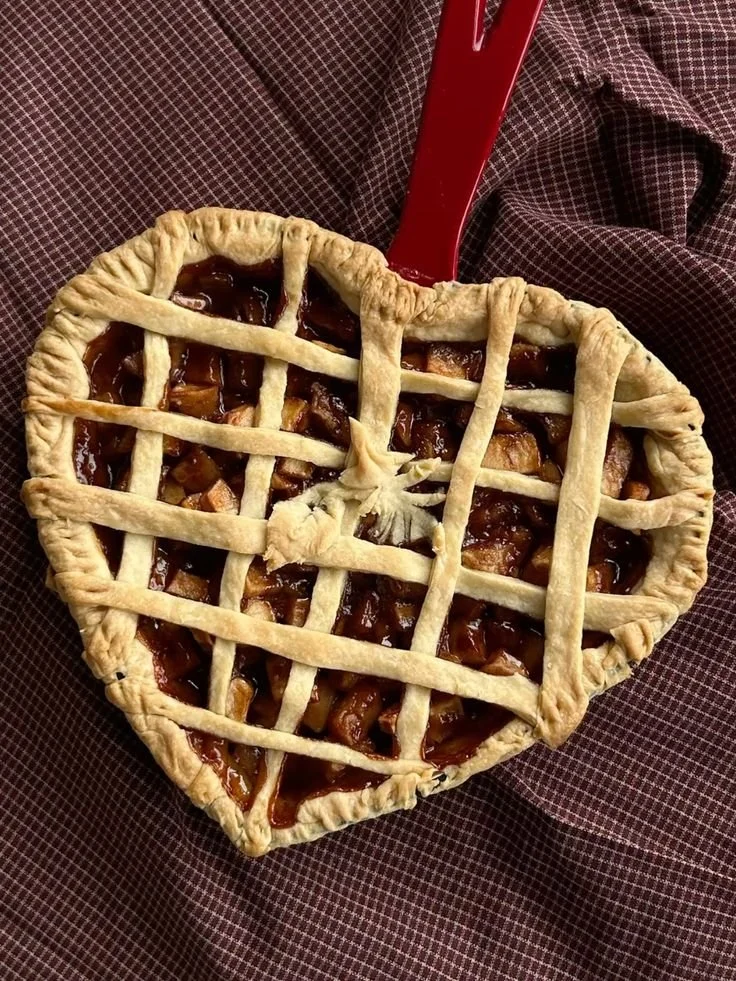
LIGHT BITES OF THE WEEK
There’s nothing more satisfying than finishing one wardrobe and diving into another that’s completely different. While wrapping up A Thread in the Matrix, I could already feel something pink and sequined brewing on the horizon.
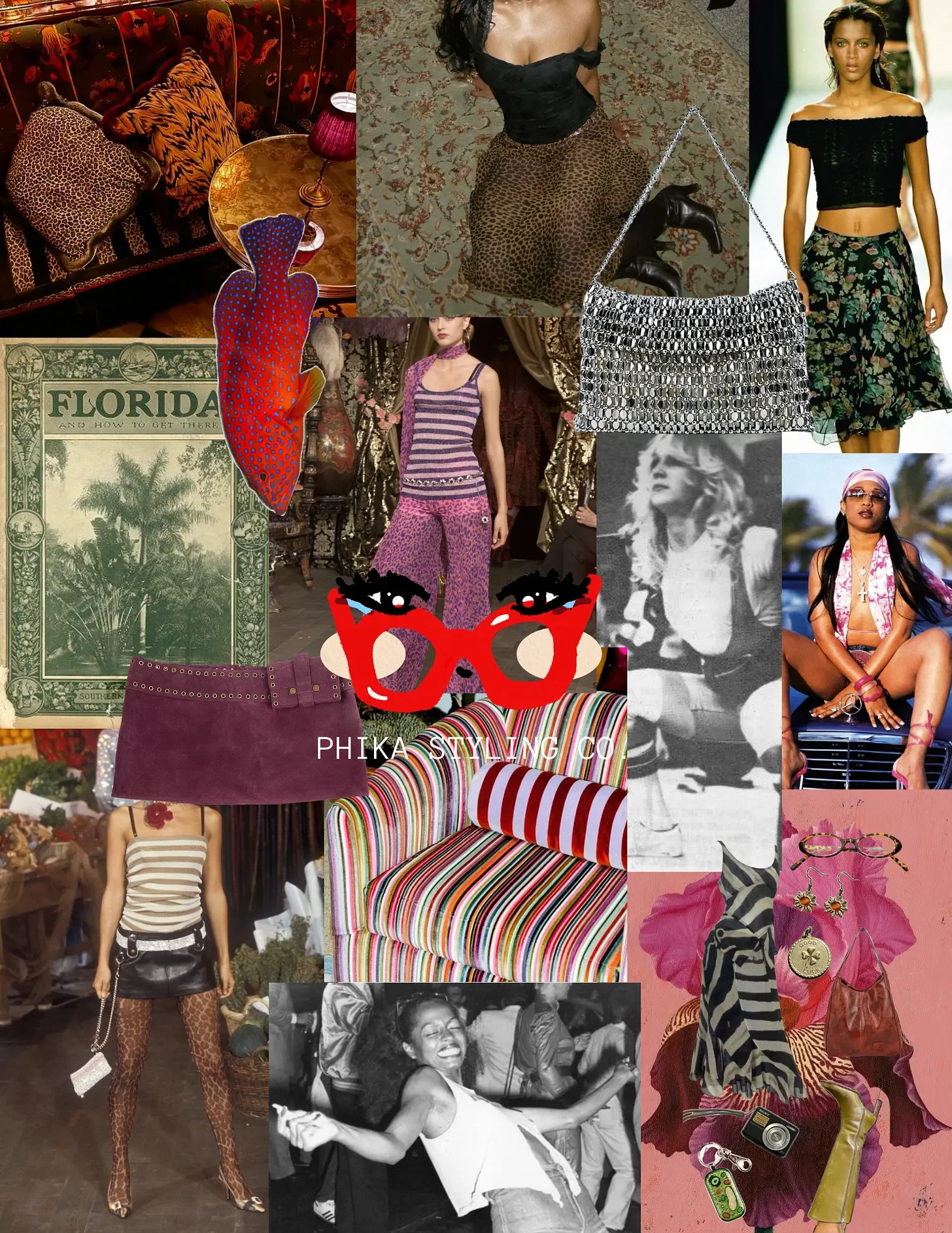
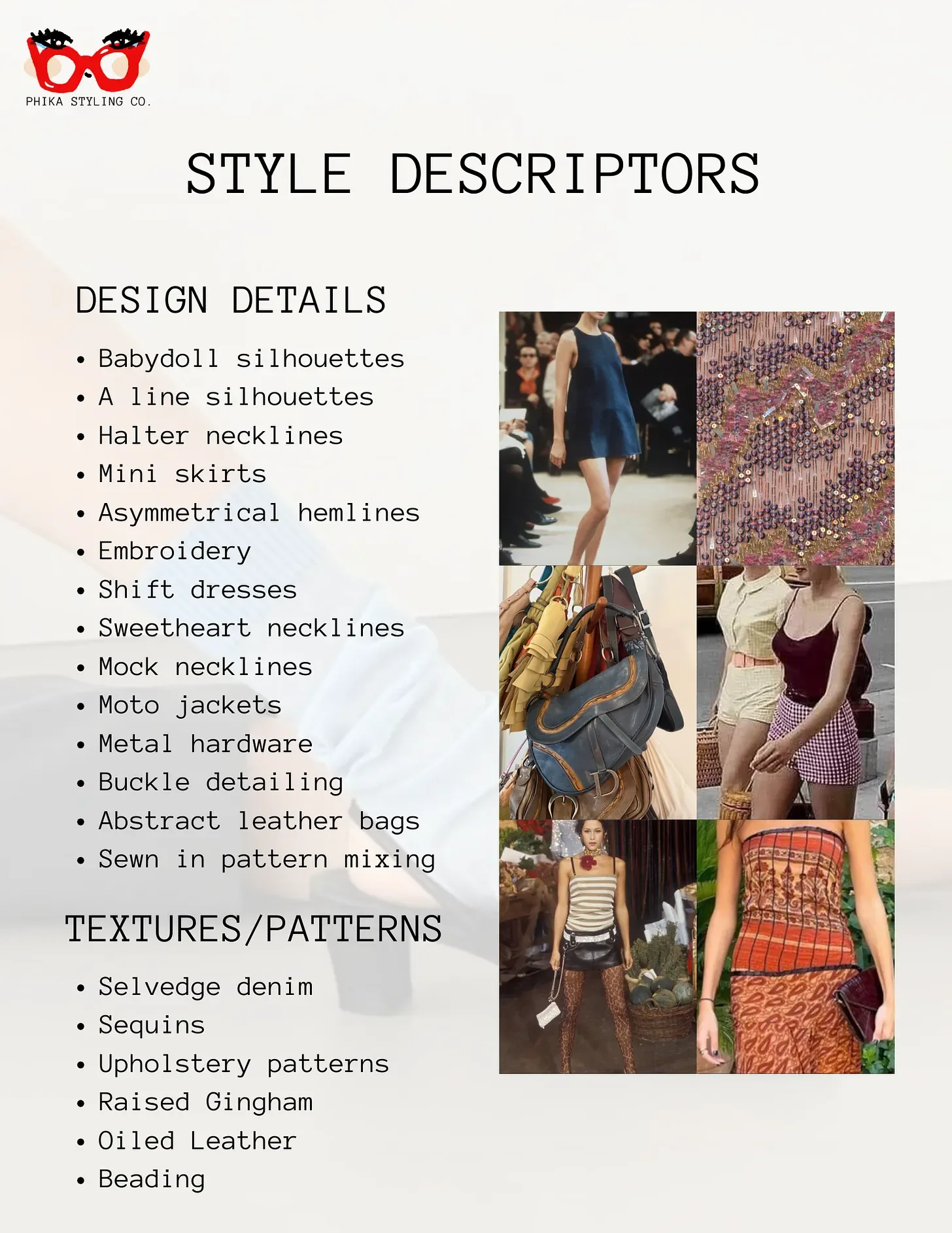
These are the first two pages of a style book, the little PDF of notes I use to track everyone’s comments and opinions, so they have everything stored in one place for reference by the end of our time working together.
What I love most about my job is showing people how they can realistically bridge their lifestyle into the overarching archetypes they come to me with to describe their taste. For this wardrobe, it became clear very quickly that her style was going to fall into the late ’90s/early 2000s design-detail realm, with her inclination toward raised textures like sequins, beading, and embroidery.
The problem is that she works from home and only really gets dressed two days a week. A concern she expressed to me after we made her style board was that the style board and idealisation of her wardrobe we were building was “too fancy.”
This is something I hear a lot in personal styling. I’m told what someone’s dream style is, I put it on paper, and when I show it back to them, they start to feel a little nervous out of fear that it’s too bright, too oversized, too fancy — too much.
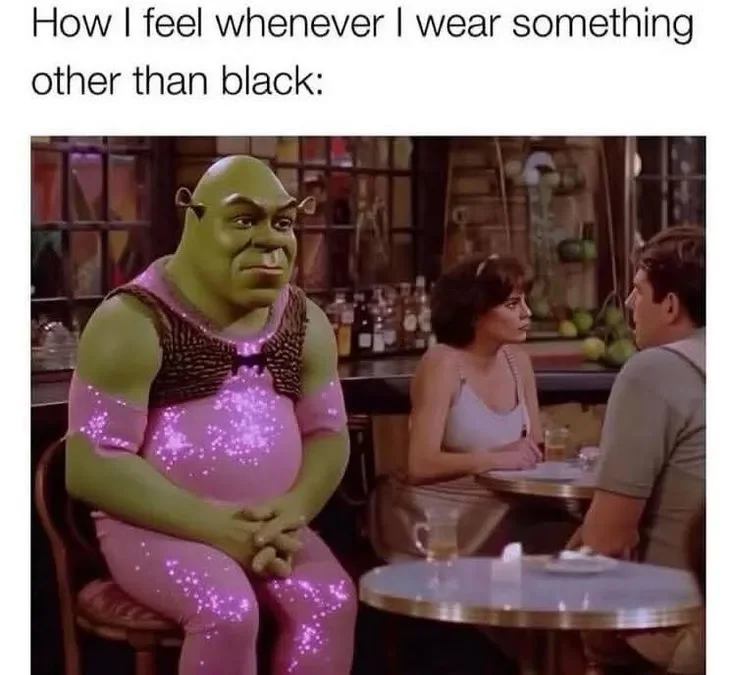
I often find myself wondering how differently people would perceive their style and their acceptance of being perceived themselves had we not seen a massive capitalist disconnect and then boom in the world of athleisure in the mid 2010’s.
In recent years, mostly in America, we’ve normalized athleisure to the point that real clothing can feel almost obscene in the very scenarios and spaces where spandex would have been banned ten years ago. Clubs, first dates, work settings. Technical fabric has quietly threaded its way into nearly all aspects of life.
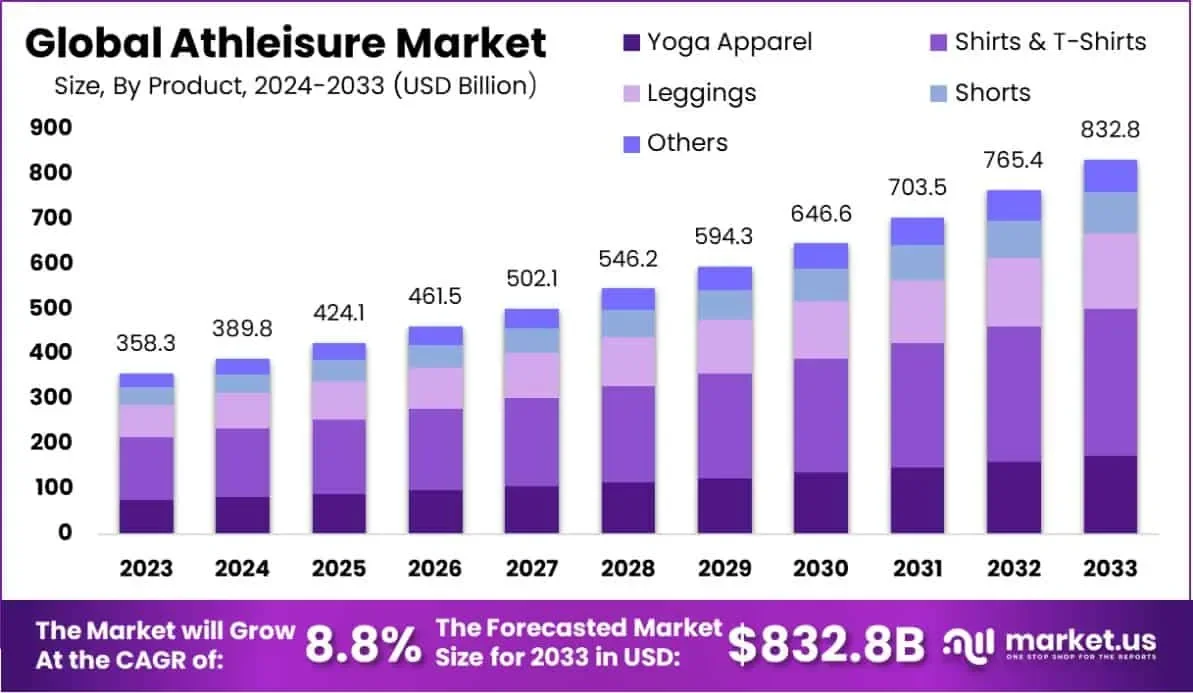
The problem isn’t that people are wearing sweatpants in public. Athleisure has a fabulously rich history spanning multiple countries, cultures, and icons in pop culture. It has been used as a tool for resistance, technological expansion, and self-expression.
So no, the problem isn’t the sweatpants; the problem is the snipping of the tether we so often see between a product and its conception. The problem is the loss of intention.
The cycle is clear and repetitive: an item or idea is birthed from necessity, nurtured and expanded closely and with care by its proprietors. People on the outside catch wind of this genuine cultivation, and they want in. The item or style gets reproduced quickly by different hands, and all of a sudden a misshapen, nearly unrecognizable version of the thing is on sale for half price, being produced by the millions.
Time passes, and the item or style becomes watered down until it’s made for everyone, so it no longer represents anything.
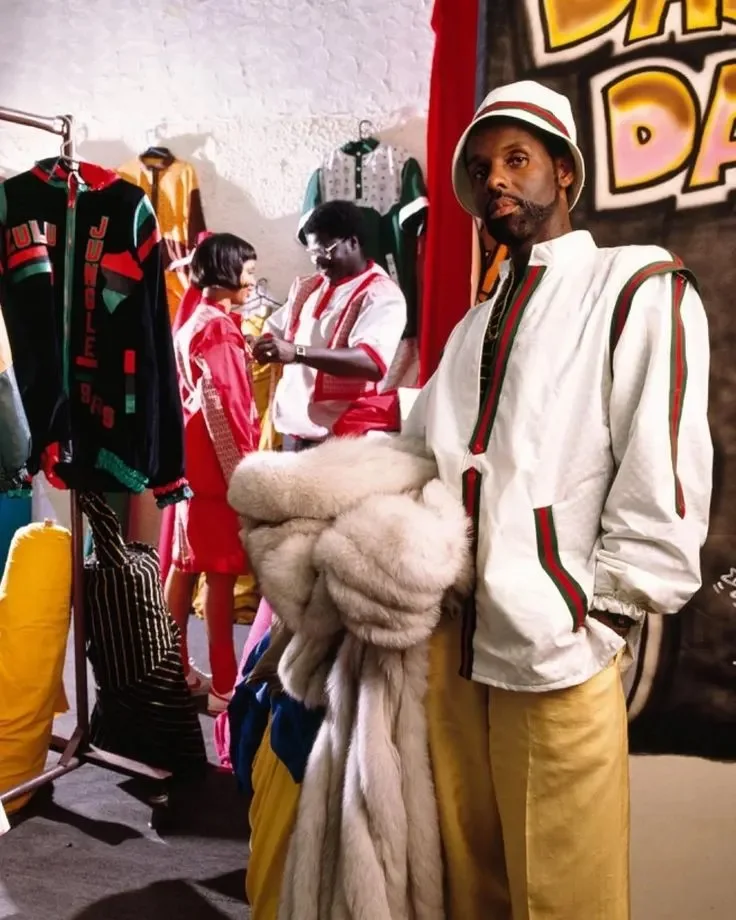
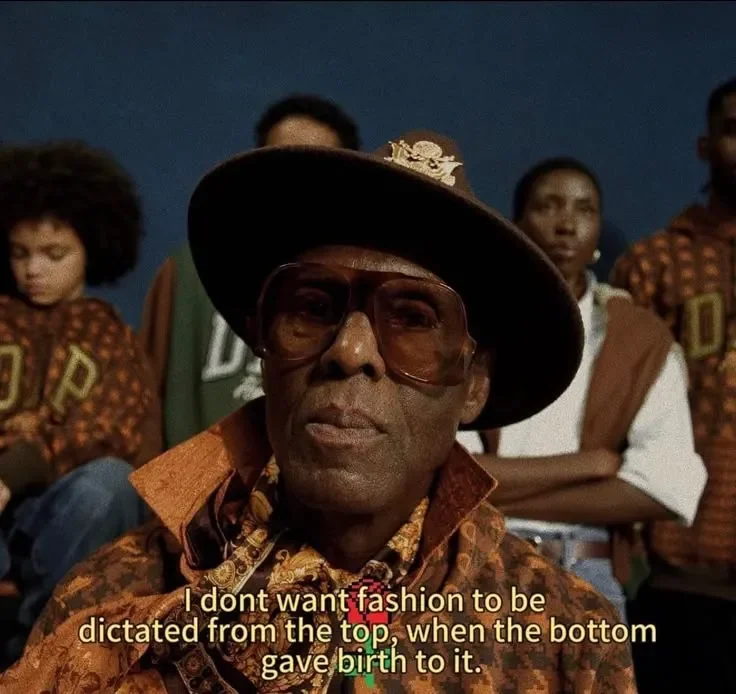
Dapper Dan, 1989, at his studio in Harlem.
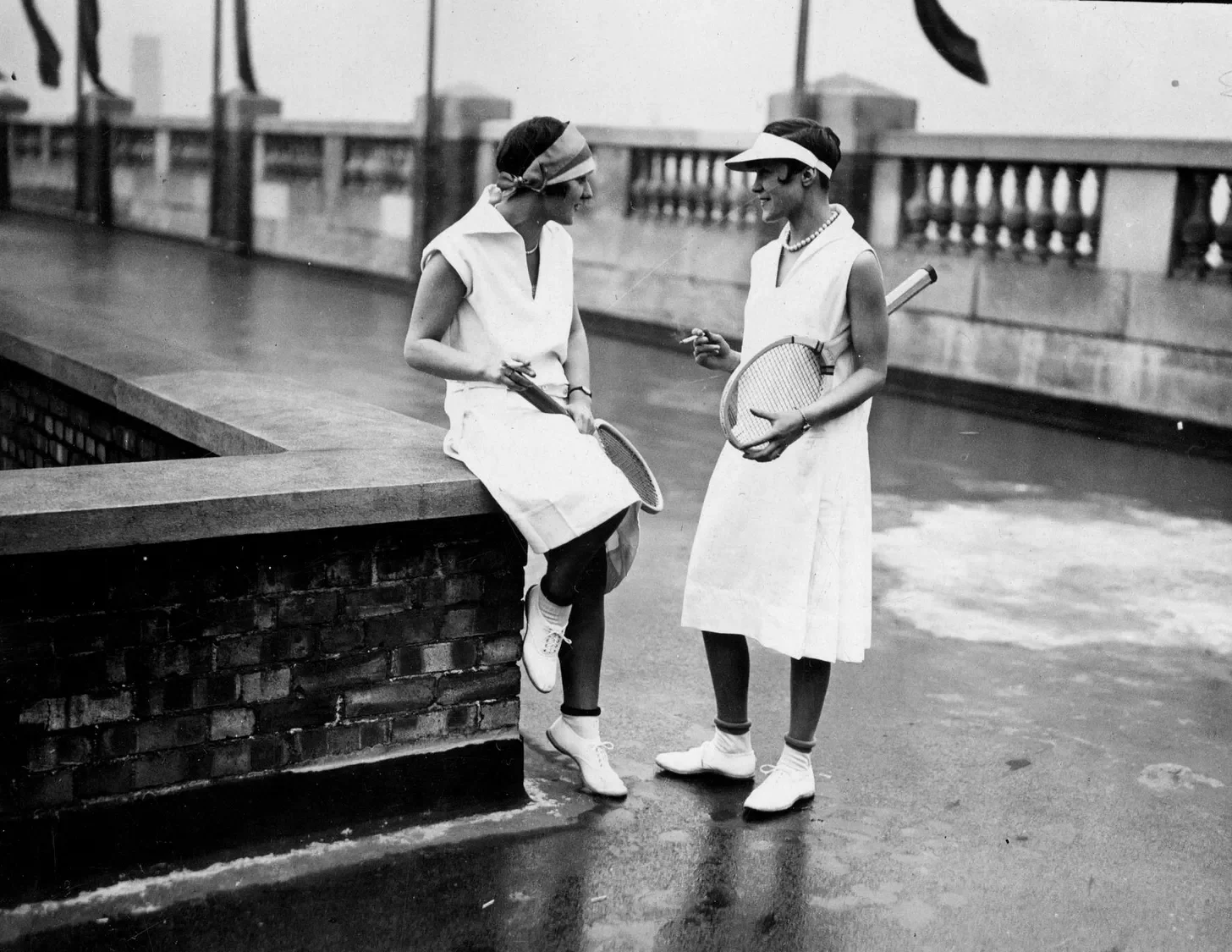
Two female tennis players in France shortly after the conception of technical wear in tennis clothing in the 1920’s.
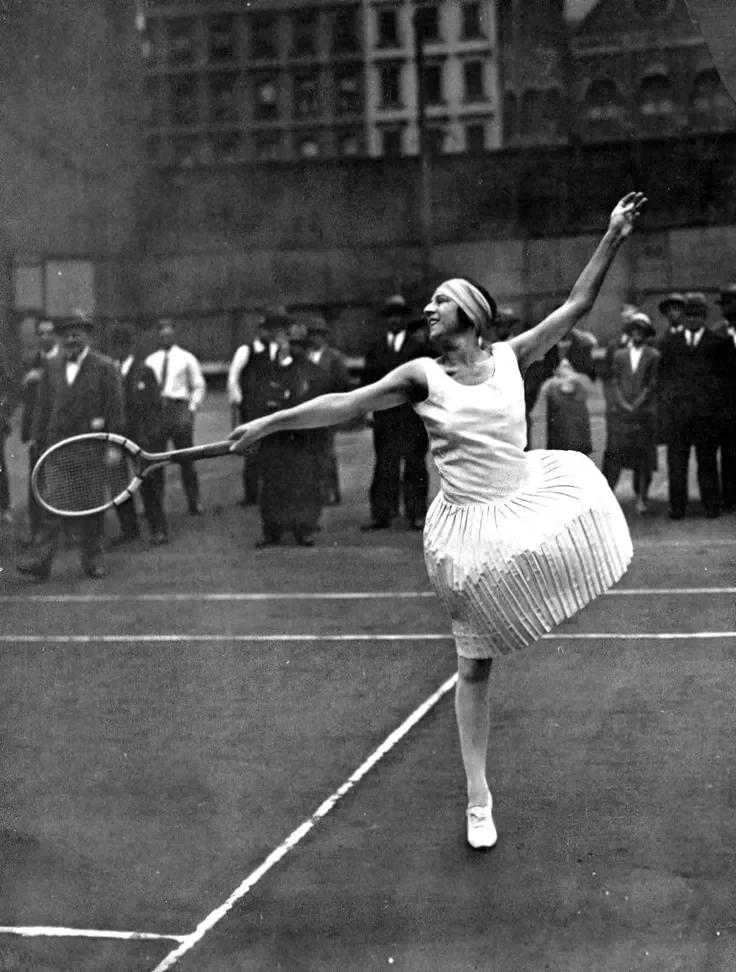
Suzanne Lenglen. One of the great female tennis players of her generation, winning eight Grand Slam titles. She is known for her fluid movements and “ballet-like” approach to moving her body on the court.
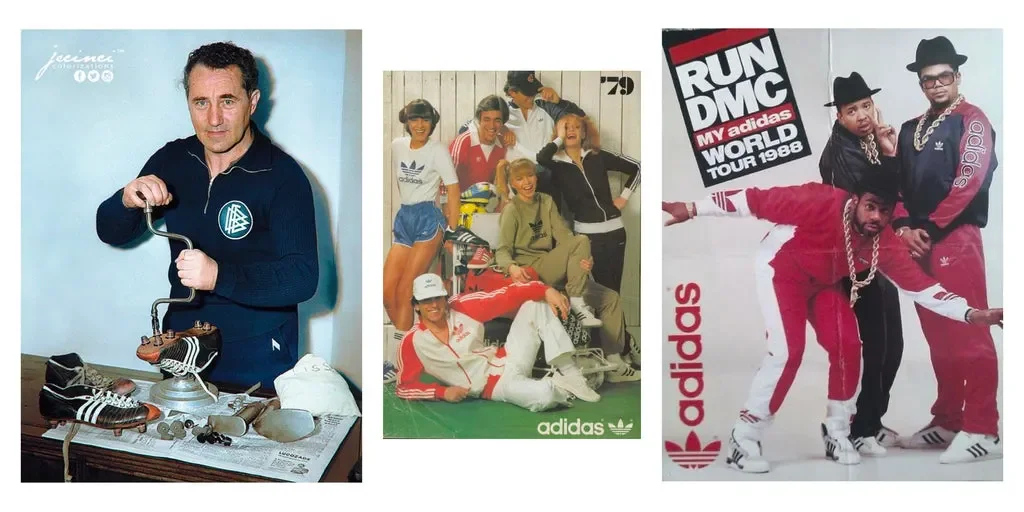
Various printed athleisure advertisements in the 1980’s.
I saw a video on TikTok last week that a girl had posted of her mother’s birth video. It was oozing the kind of warm nostalgia that could only be produced by a recording camera put to work in the late ’90s/early 2000s. The type of video you see that lodges a dull ache in your heart, watching people interact with each other during the last few years when technology was present, but not yet all-consuming. You can see it on their faces and the way they speak to each other, and you feel a similar guilt like when you look at a painting of the dinosaurs right before the big bang.
Family members trickled into the hospital room to joke and impart their well-wishes on the mother-to-be. Before scrolling back into oblivion, I quickly checked the comment section to make sure everyone agreed with my positive impression of the 30-second clip, and to my genuine surprise, it was instead full of people asking the exact same question: “Why is everyone so dressed up?”
I snapped back up to the video to see what I had missed. Yes, the grandmother-to-be was wearing a chic little snakeskin shoulder bag, but beyond that it was a fairly regularly dressed gang.
The men were in simple trouser-and-button-down pairings, and the one woman not in a hospital gown wore a clean blazer, a low ponytail, and a pant ensemble that definitely read as put together, but far from “overdressed” for a birth.
It’s easy to get out of touch as a stylist in terms of what clothing actually makes sense to wear. Hours of analyzing runways, flipping through foreign Vogue, and shopping for other people’s new favorite clothing will put your head in such a tizzy that you get to a point where it only makes sense to get dressed for the grocery store in a sequined maxi skirt. And while I can recognize that’s a bit over the top, can’t there be a little something in the in-between? Just a tiny sequin for the liminal wardrobe as a treat?
Not quite as far as a Carrie Bradshaw, tulle-skirt for the bodega run moment-
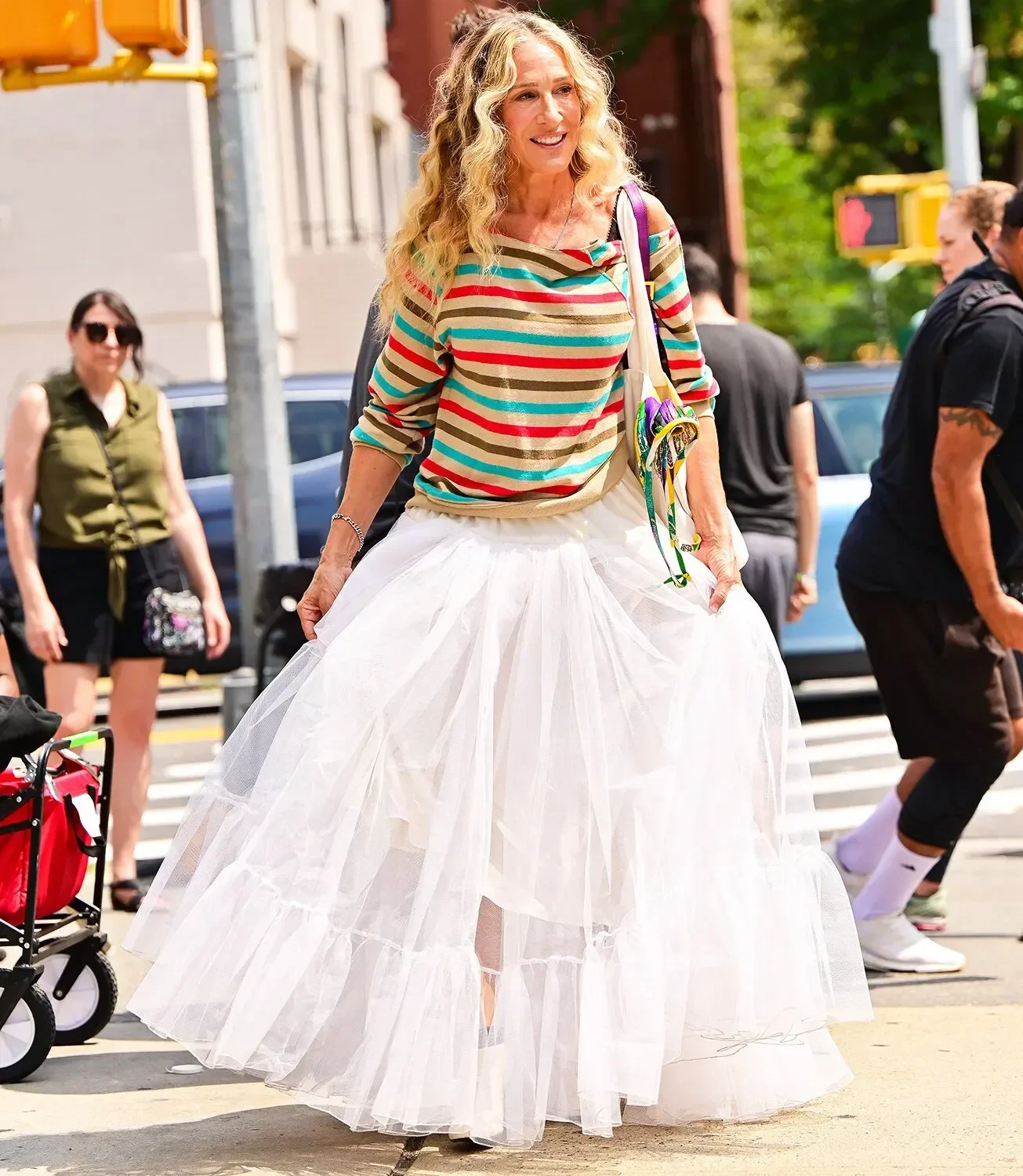
But even if it is athleisure, can’t it be athleisure that was put together with intention?
Something I find particularly interesting about the mainstream rise of athleisure is that early sportswear actually increased standards of dress in public life. The original philosophy wasn’t “comfort over presentation,” it was integrating comfort into presentation.
This is the disconnect I’m talking about when I think about the downturn of modern sportswear.
There’s been a recent trend amongst the sportswear community where they’re dipping into the bottomless vault of 1990s/early 2000s athletic street style inspiration.
People are gravitating more toward 100% cotton, and with the younger generations’ ever-increasing prioritization of sustainability, it was only a matter of time before the public's insatiable appetite for the thrift turned to athletic wear.
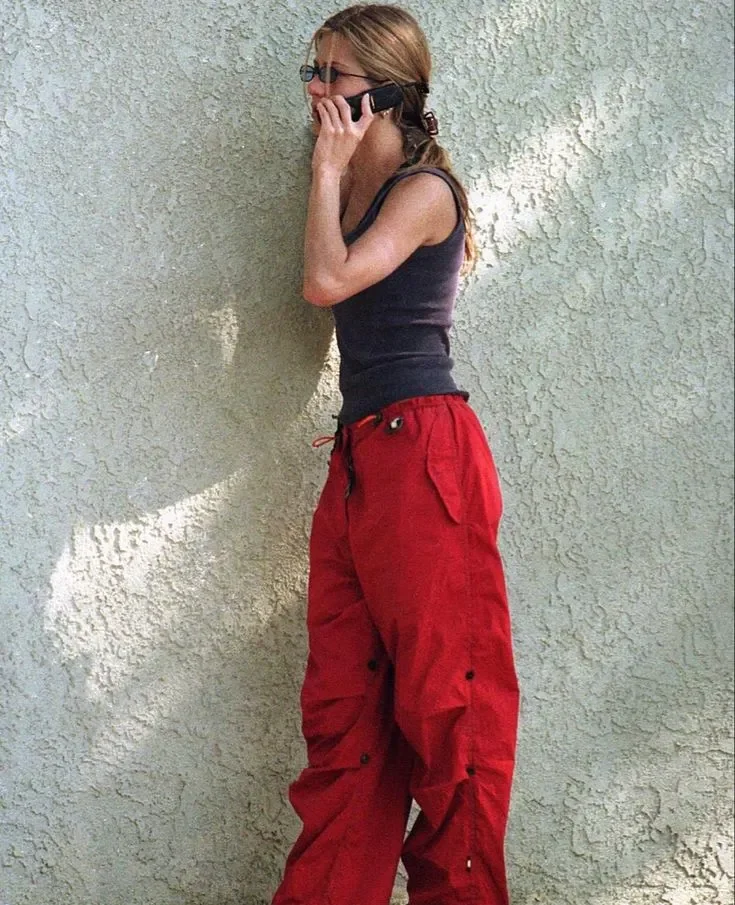
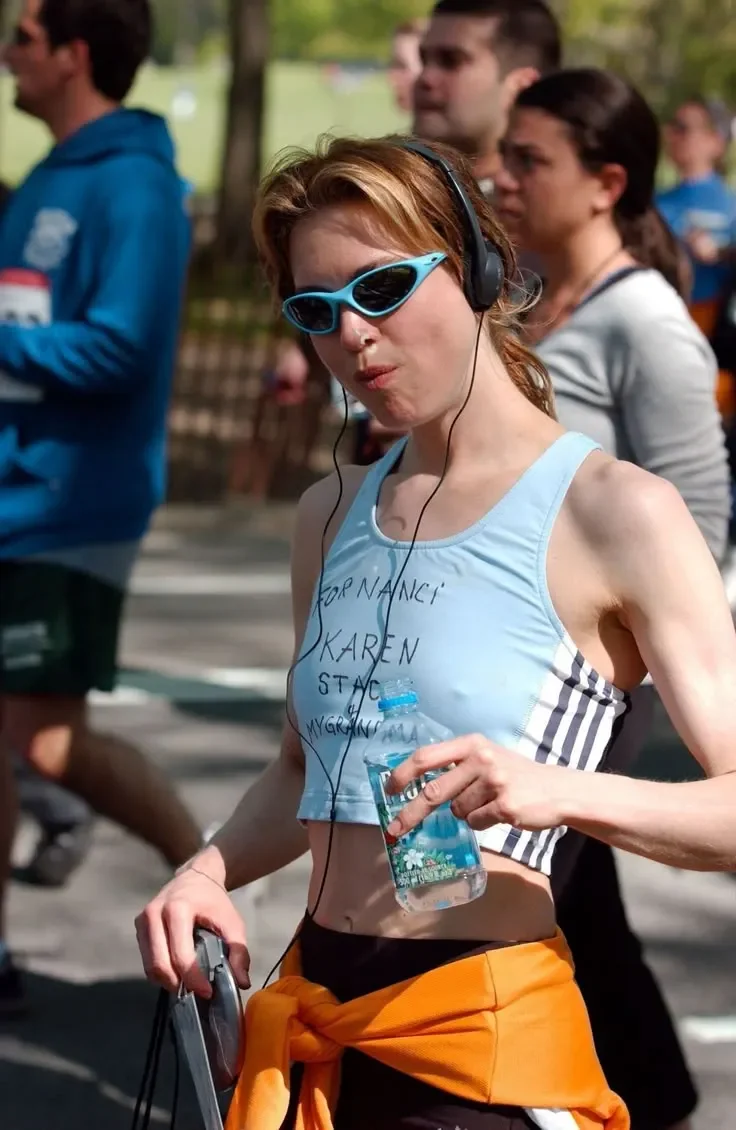
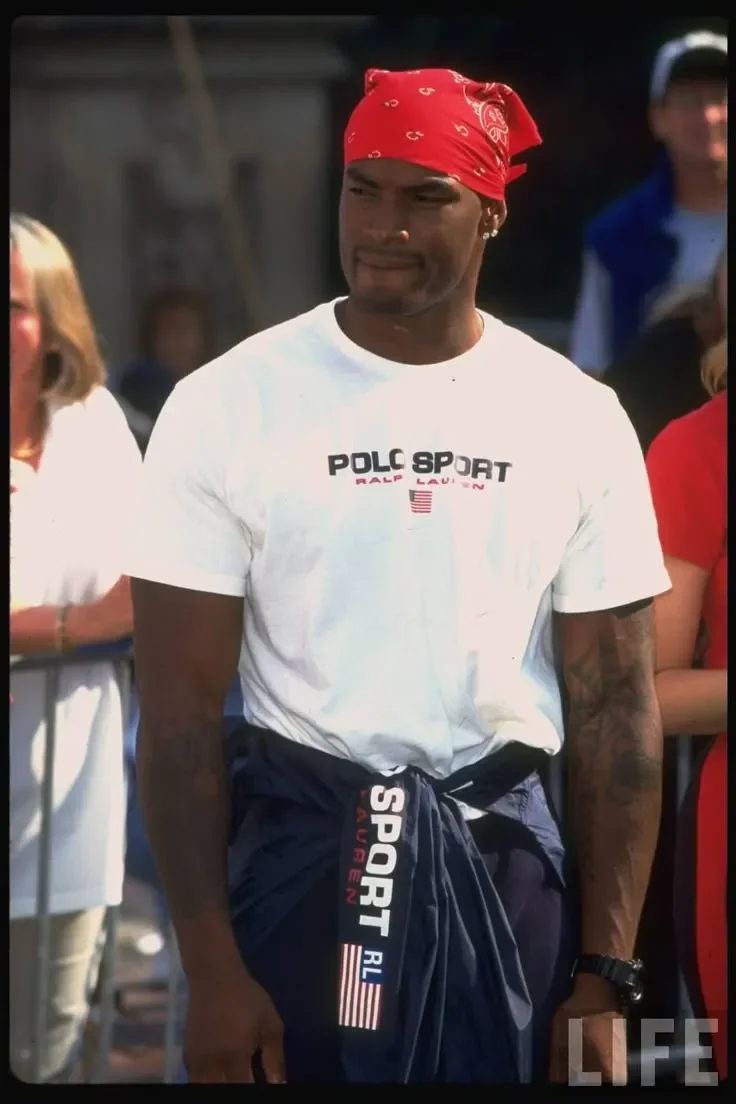
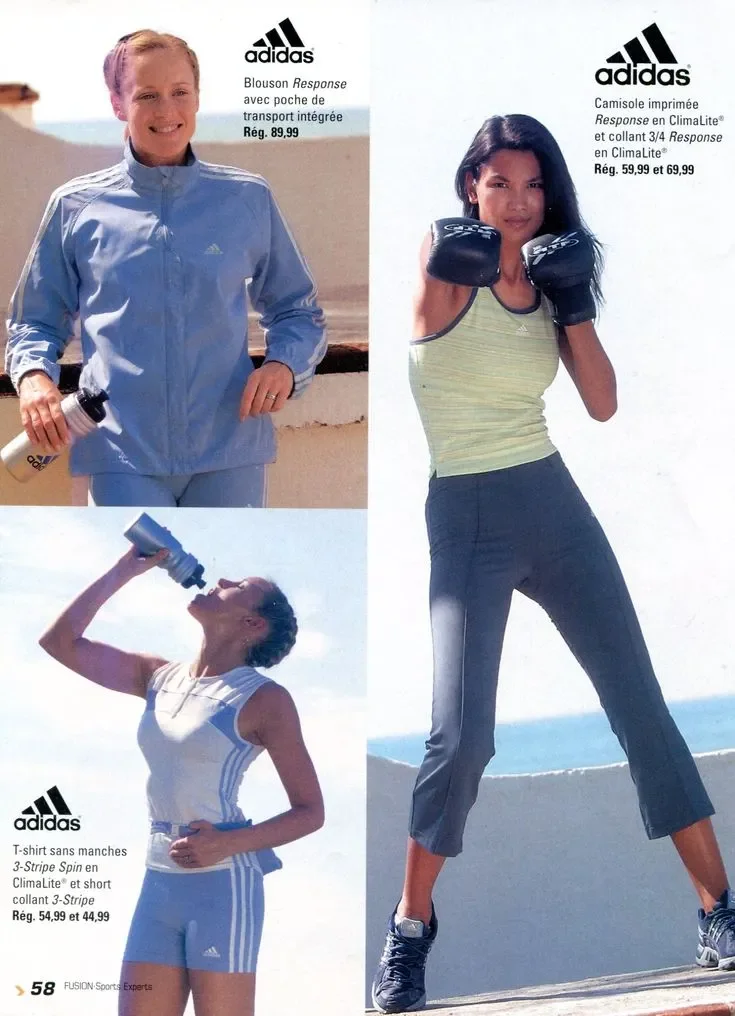
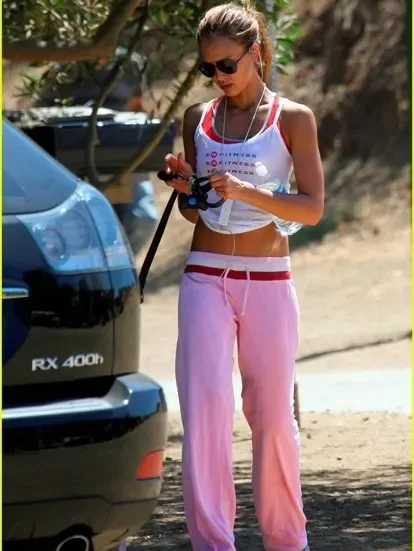
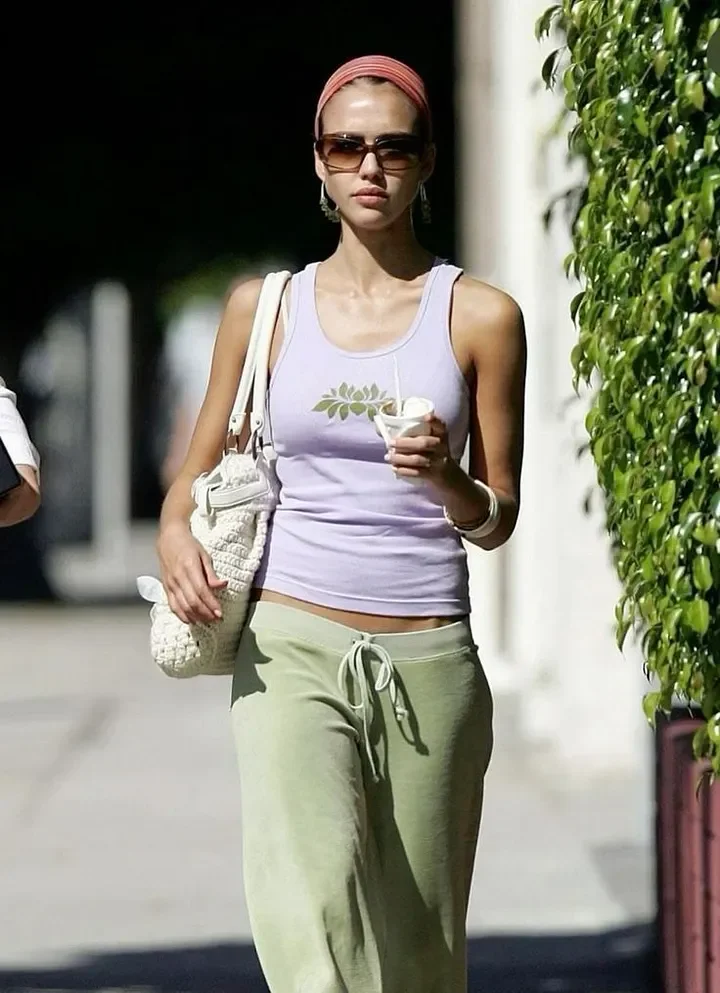
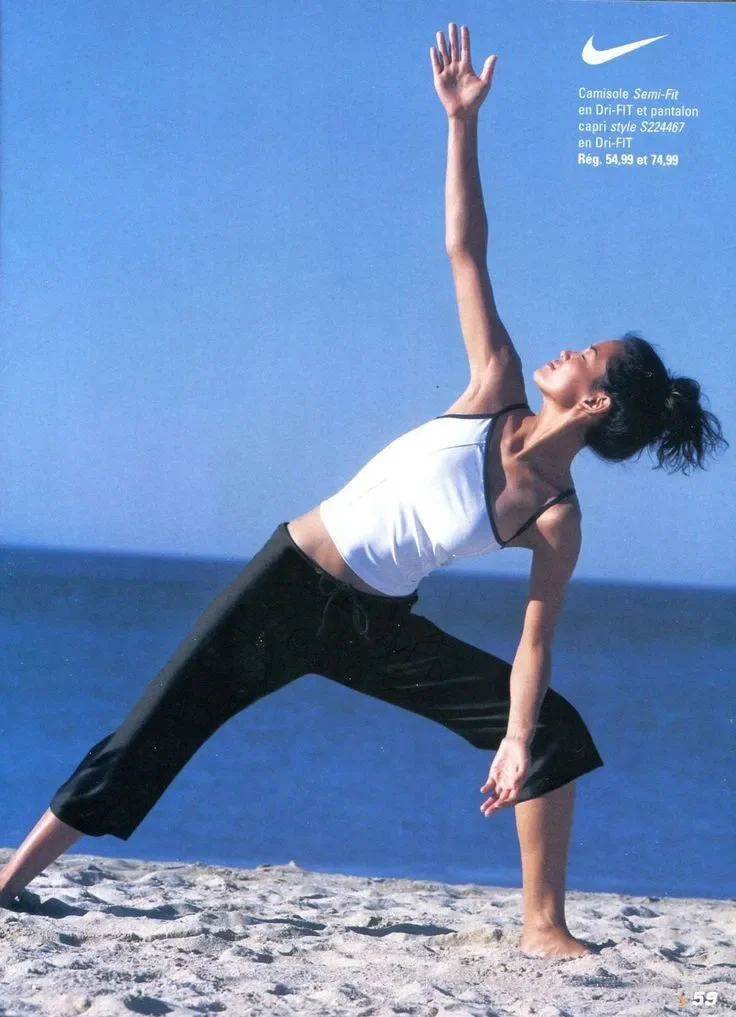
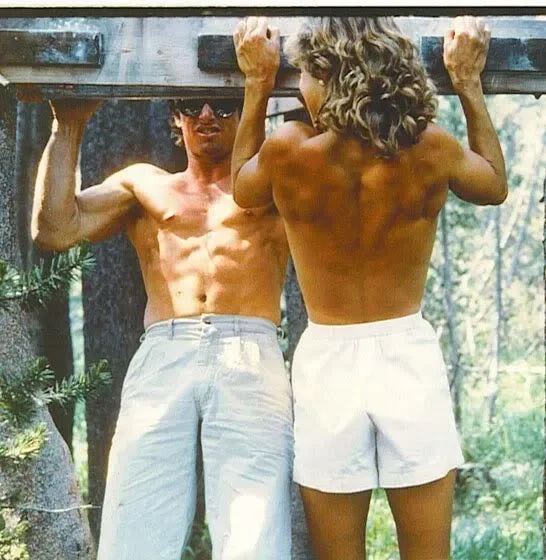
And this is where I found myself living while shopping for this client’s Y2K “muscle mommy” dream world. What I may have forgotten to mention is that while she is all sequins and hot pink cheetah, she’s also a dedicated heavyweight lifter — meaning our moodboard was just as full of Blumarine runway references-
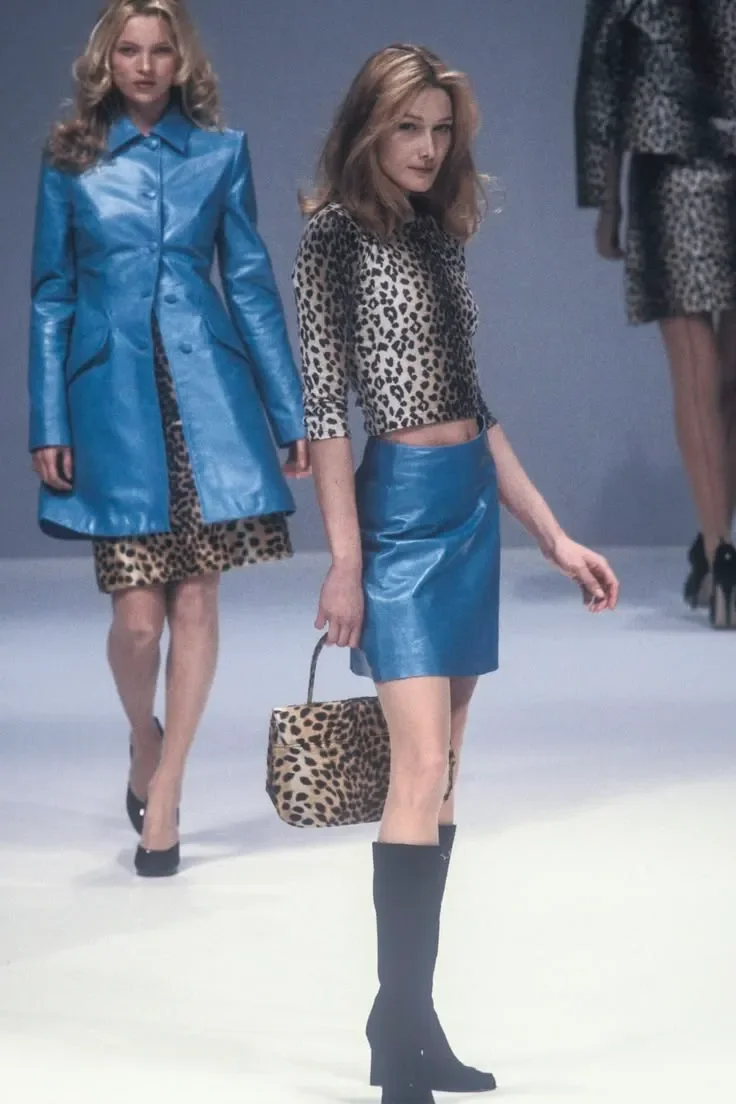
Blumarine F/W96
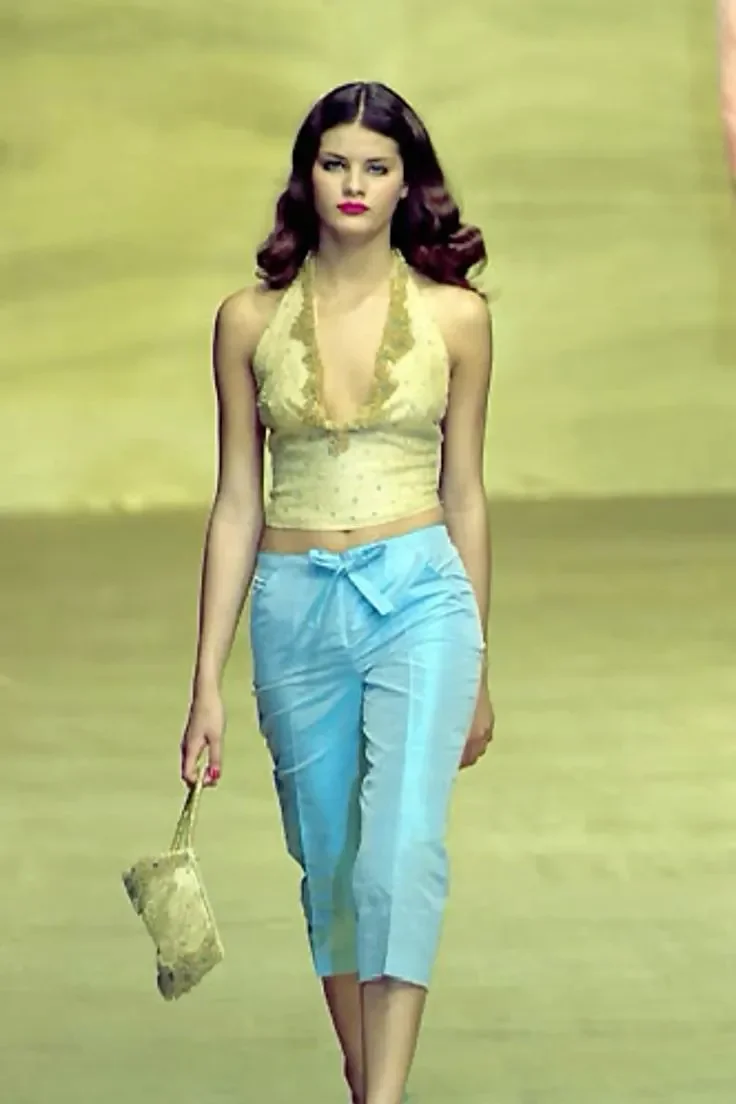
Blumarine S/S00
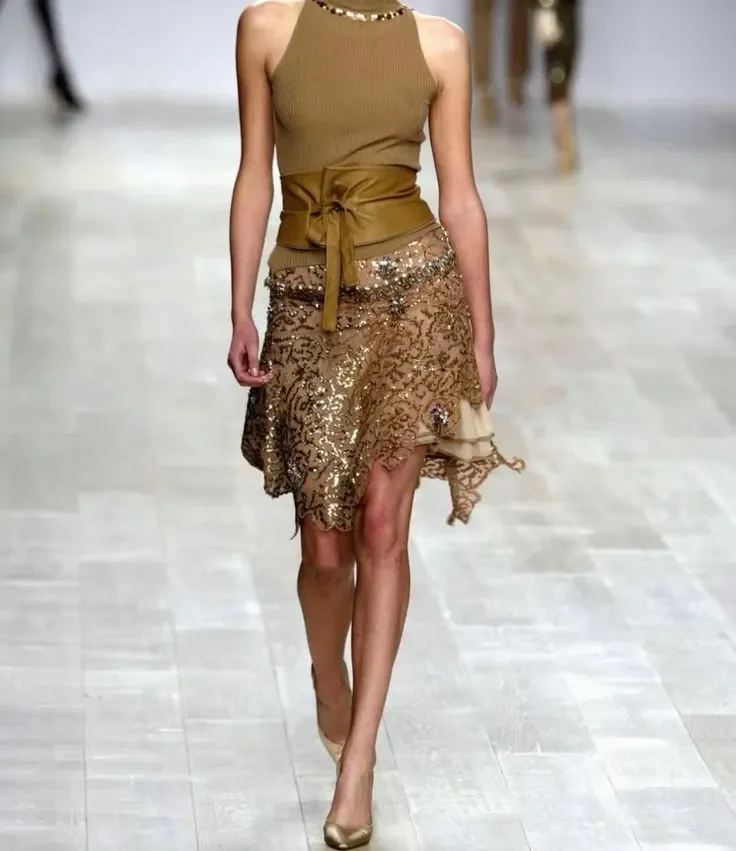
Blumarine SS/03
as it was of images like this:
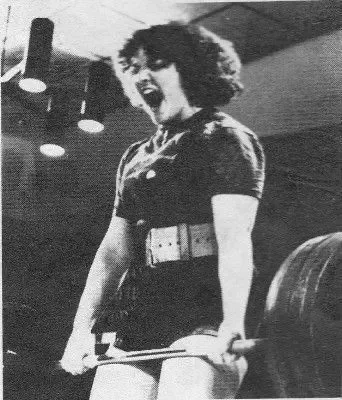
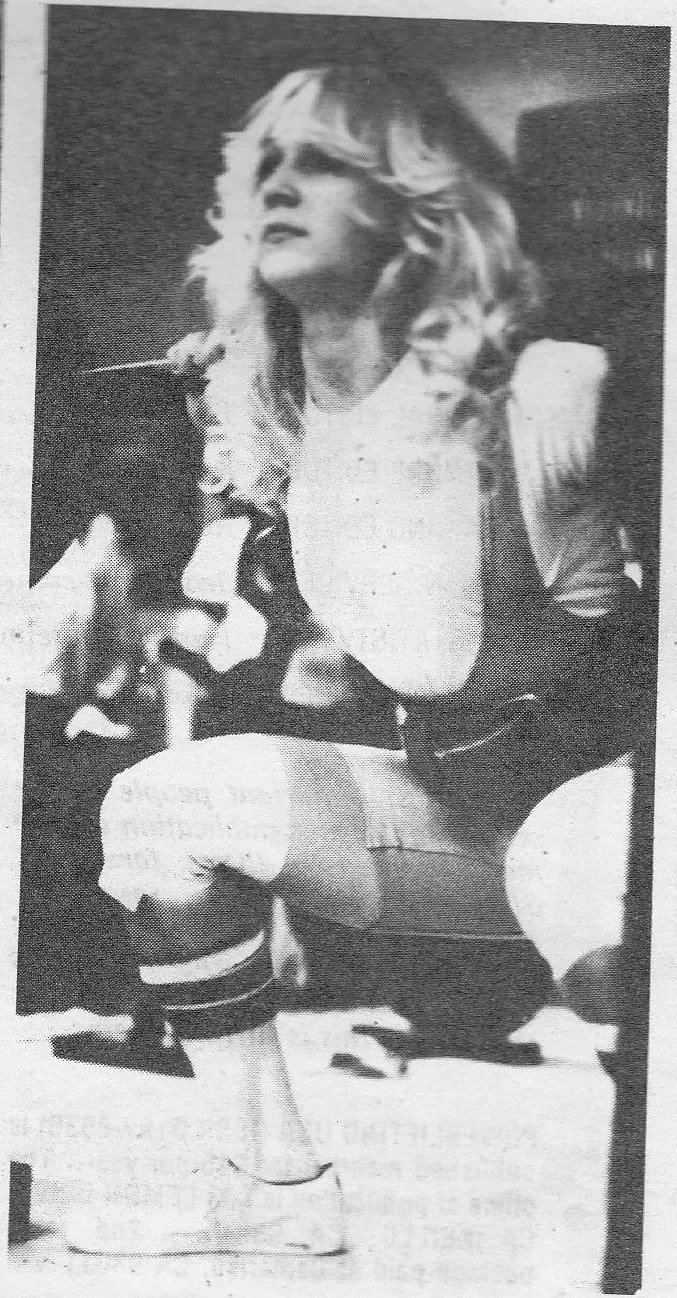
Another hurdle at this time of year is the weather. It gets to a point in the heat where styling can’t save you, and you just need simple pieces in the wardrobe that can carry an outfit on their own without layers or any smoke and mirrors. So that’s what the first lookbook was all about: getting clothing into the wardrobe that hit her Y2K fantasy, heat index, and gym lifestyle.
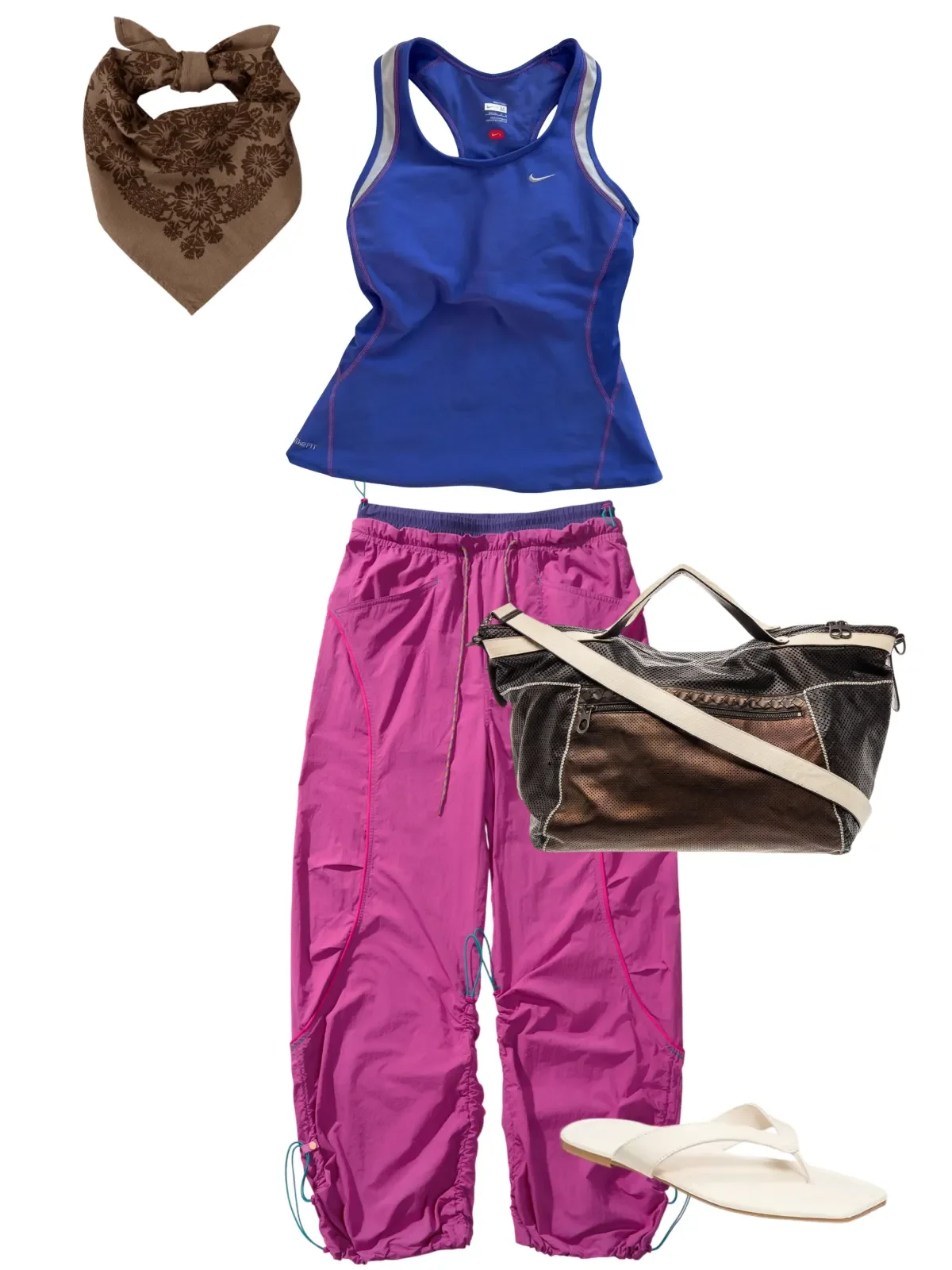
Vintage Nike top, hiking pants, silk bandanna, and vintage Bottega Veneta mesh purse, I suggested she use for the gym.
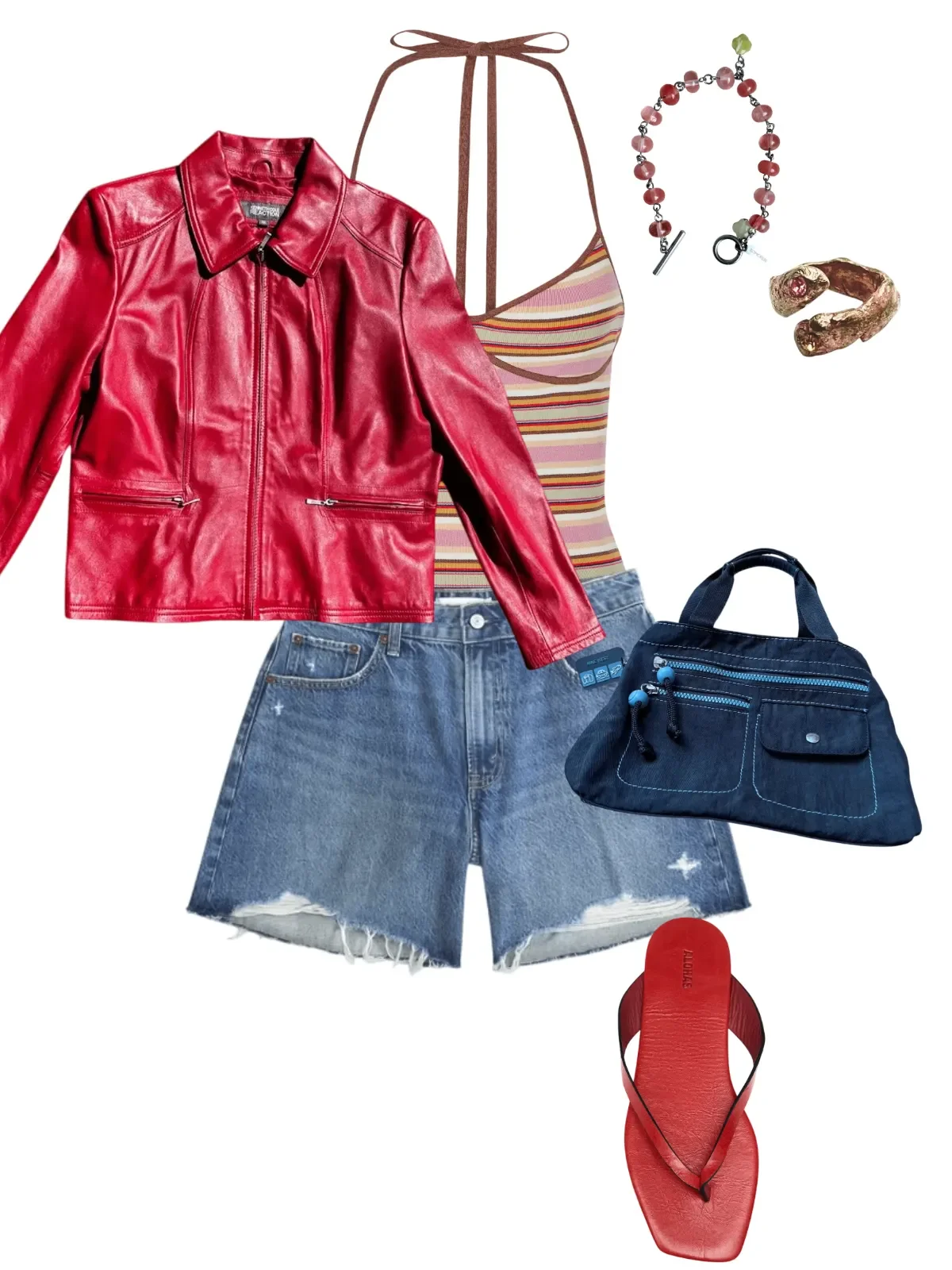
Vintage Nylon Adidas purse, Vintage leather jacket, halter top, and a-line
denim shorts.
.
The next day, I had a lookbook due for a modern dancer who loves the 1990’s and all things “just arrived at dance rehearsal 10 minutes late and with only one leg warmer on” kind of vibe. They had so many similarities in their style and personalities; it’s times like this that I want to play matchmaker and introduce them to each other as friends.
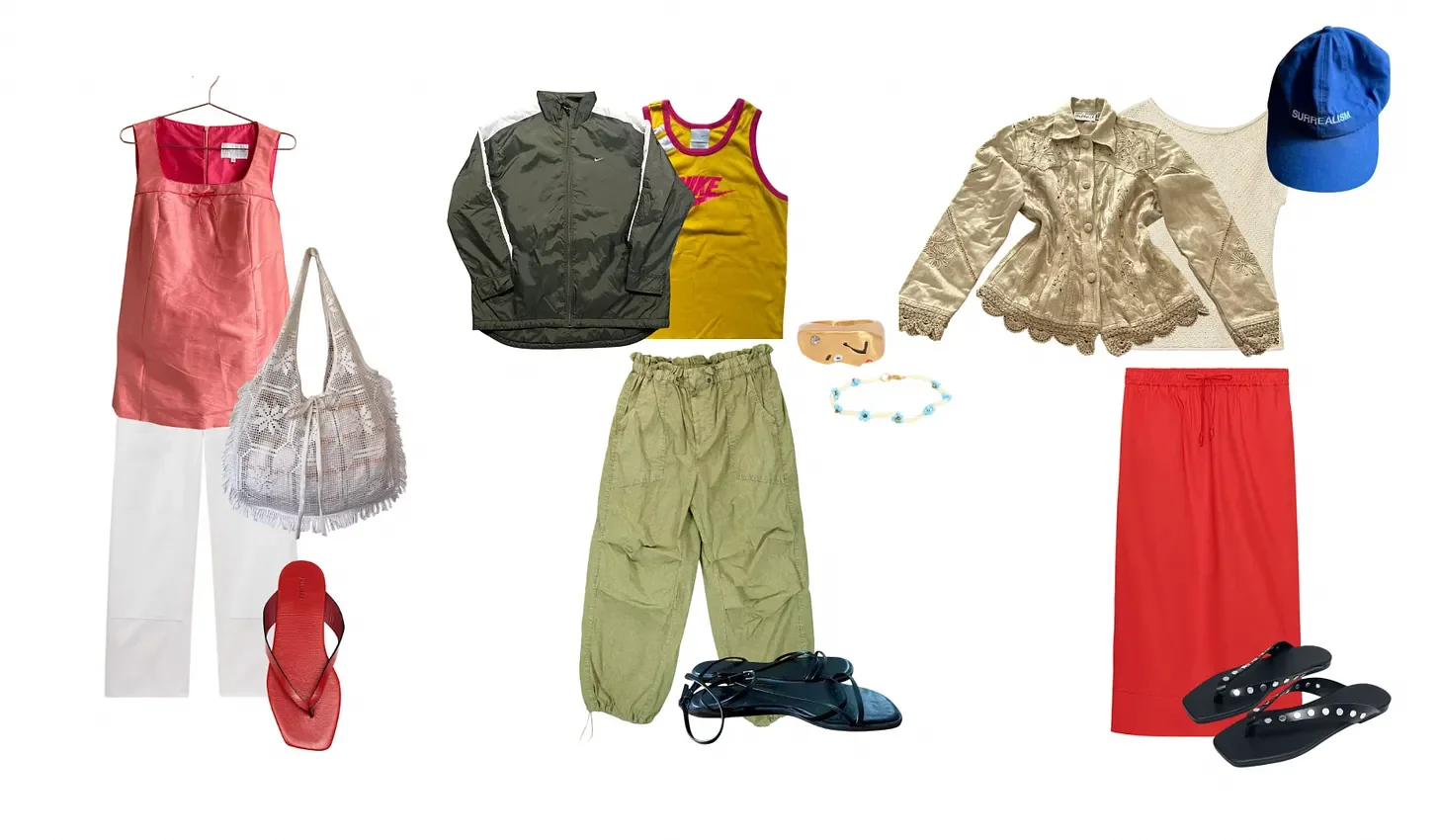
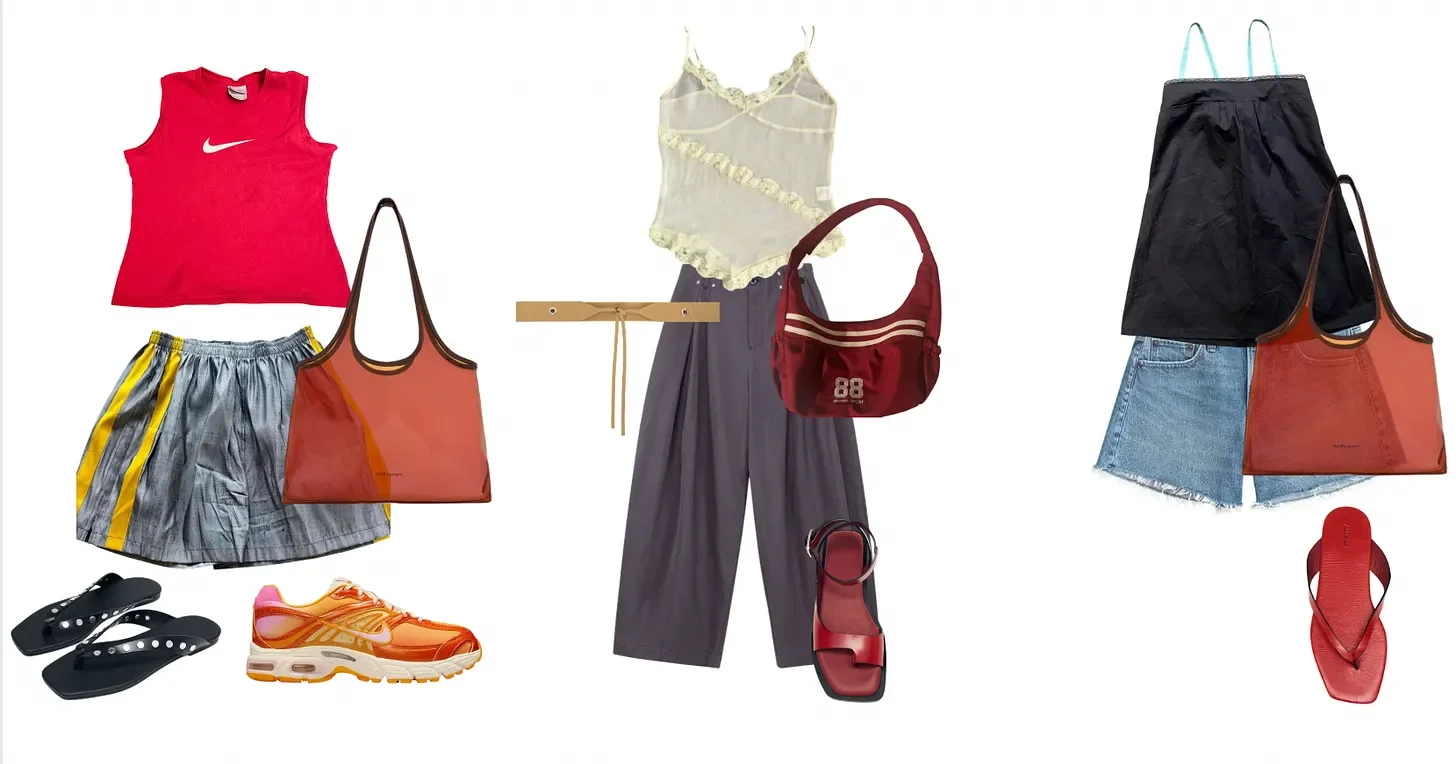
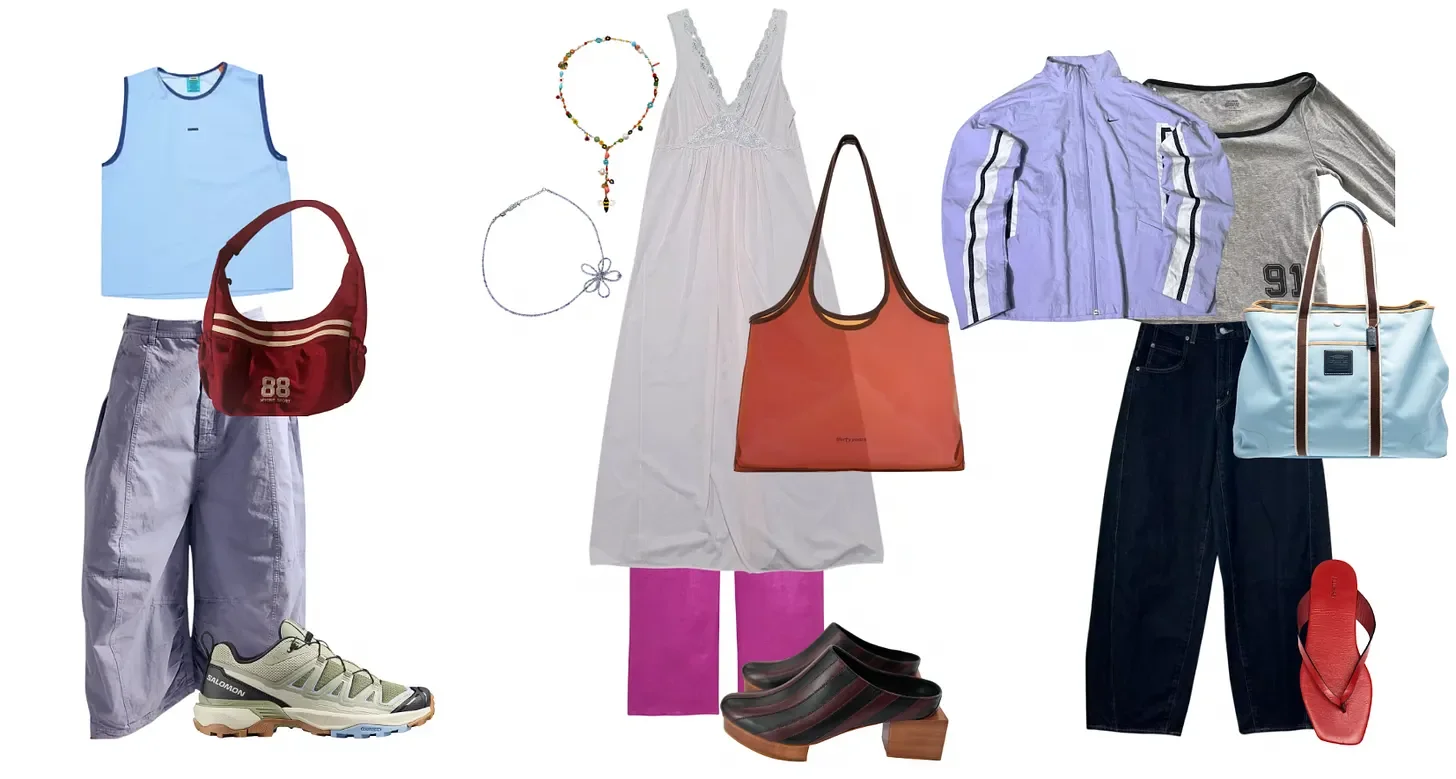
I often wonder how many people are really maximalists in disguise, and how much clearer their personal style would become if the fear of perception didn’t exist. I wonder just how much influence the uniform athleisure industry has had on what we consider “overdressed,” and how deeply that has bled into our identities.
I wonder how people would talk differently, walk differently, and create differently, or whether it would make a difference at all.
It’s not illegal to want to wear comfortable clothes. And believe you me, this article isn’t coming at you from some high horse of silk and six-inch pumps — I look like shit right now. But I do question how different the general public’s stance on dress codes would be if capitalism hadn’t pushed athletic wear so heavily in the 2010s. Then, when the pandemic hit a decade later, what options would have been pushed and marketed to us instead as “comfortable” clothing?
There are so many ways to be comfortable while still existing within your own sense of style. You can capture the ease and leisure of sportswear without its deadpan uniformity.
Sweatpants can be replaced with secretly elasticated cotton trousers. Sweatshirts could become sweaters. T-shirts, instead of a generic print from somewhere like Shein, could be sourced from Depop after hunting down a 30-year-old tourist tee from your own hometown.
There are so many ways we can inject our independence into our style without compromising comfort. And my personal frustration with the state of athleisure really comes down to two separate issues: the incredibly small and specific category of clothing we’ve pigeonholed as “comfortable,” and the lack of diversity within athleisure itself, which limits people’s ability to express their personal style and ultimately cultivates a culture of fear around expressing it at all.
But then, if we trust that an oversized button-down can offer the same sensory comfort as a billowing sleep shirt, I suppose that begs the real question:
Is our acceptance of athleisure really about comfort?
Or is it just about being too tired to be seen?
Style exercise of the week
For this week’s style exercise, we’re going to get literal. If you find yourself in athleisure more often than not (note: I’m writing this draft on my couch at 3:00 AM in Nike sweatpants and a tank top with carrot stains from dinner), when’s the last time you took a moment to see just how far your athleisure can go?
Go ahead and grab your favorite piece of casual wear. This could be sweatpants, a tank top, sneakers, or a jacket. Once you’ve decided on it, choose an unexpected accessory you don’t reach for as often. This could be a hat, a piece of jewelry, a belt, or a brooch. As long as it isn’t the accessory you live in and wear all the time, it’s fair game.
From here, I want you to add a piece of clothing that feels like the opposite dress code of the first piece you chose. This could be something you only ever wear for work, going out with friends, date night — anything that adds a little push and pull to the outfit.
Finish the outfit by filling in the gaps with the rest of the clothing you need. What we’re doing here is starting the outfit from a place of athleisure, immediately elevating it by adding an accessory, signaling intention and bringing the outfit somewhere new and fresh. We then further elevate it by adding a piece from a higher dress code, and then it’s up to you whether you bring the outfit back down to earth and solidify its fate as athleisure or take it somewhere totally new.
That’s everything for this week. Do your exercises, stretch those styling muscles, and don’t forget:
Style is everywhere—don’t miss it!
INTERESTED IN SIGNING UP FOR OUR STYLE NEWSLETTER?
Check out Mac’s inteview in Coveteur

Curious about PHIKA and Mac’s signature styling philosophy?
Check out @justmacrose on Instagram, TikTok, and more for fresh fashion inspo, easy styling hacks, and a refreshing perspective on everyday style..


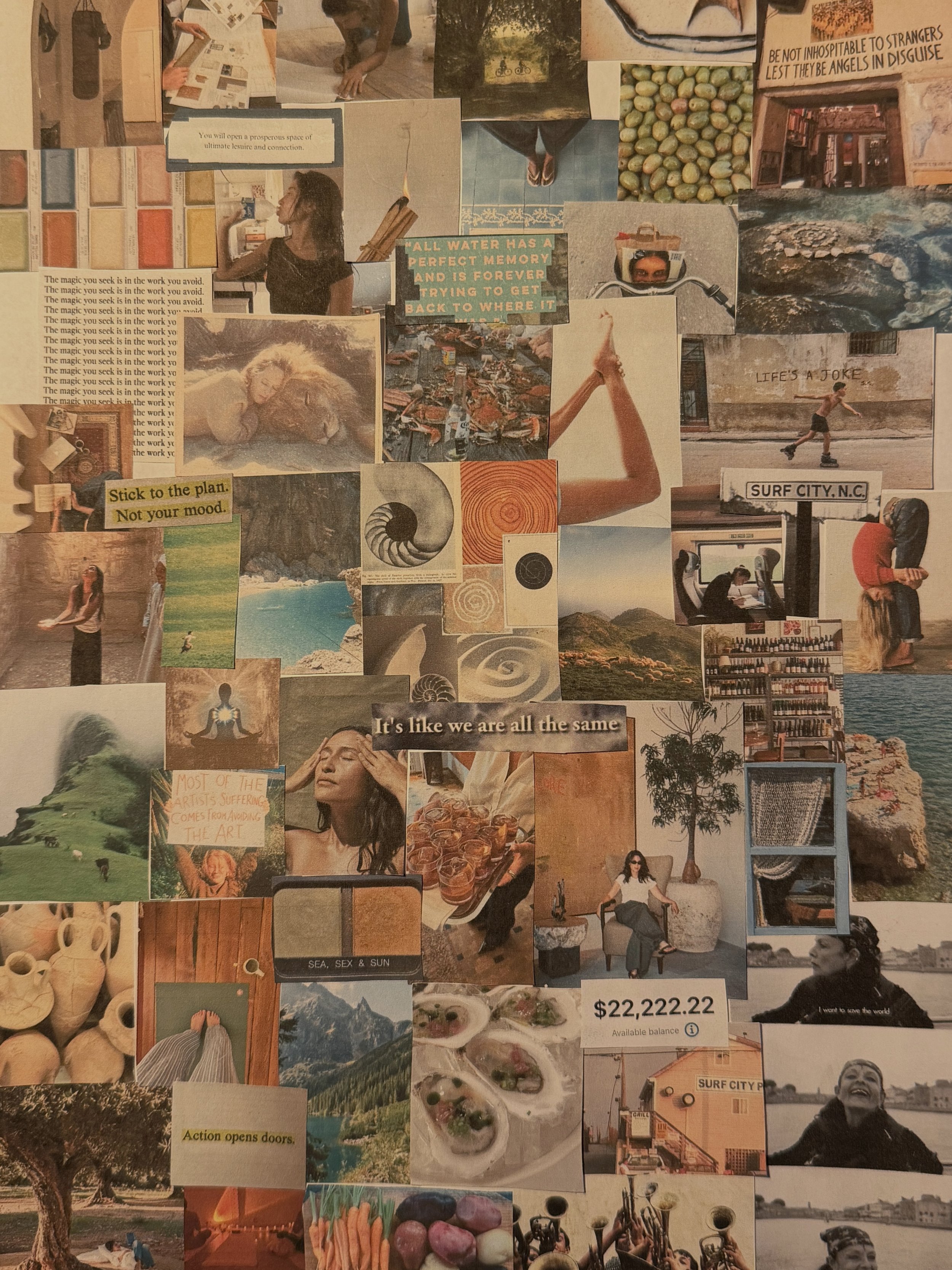

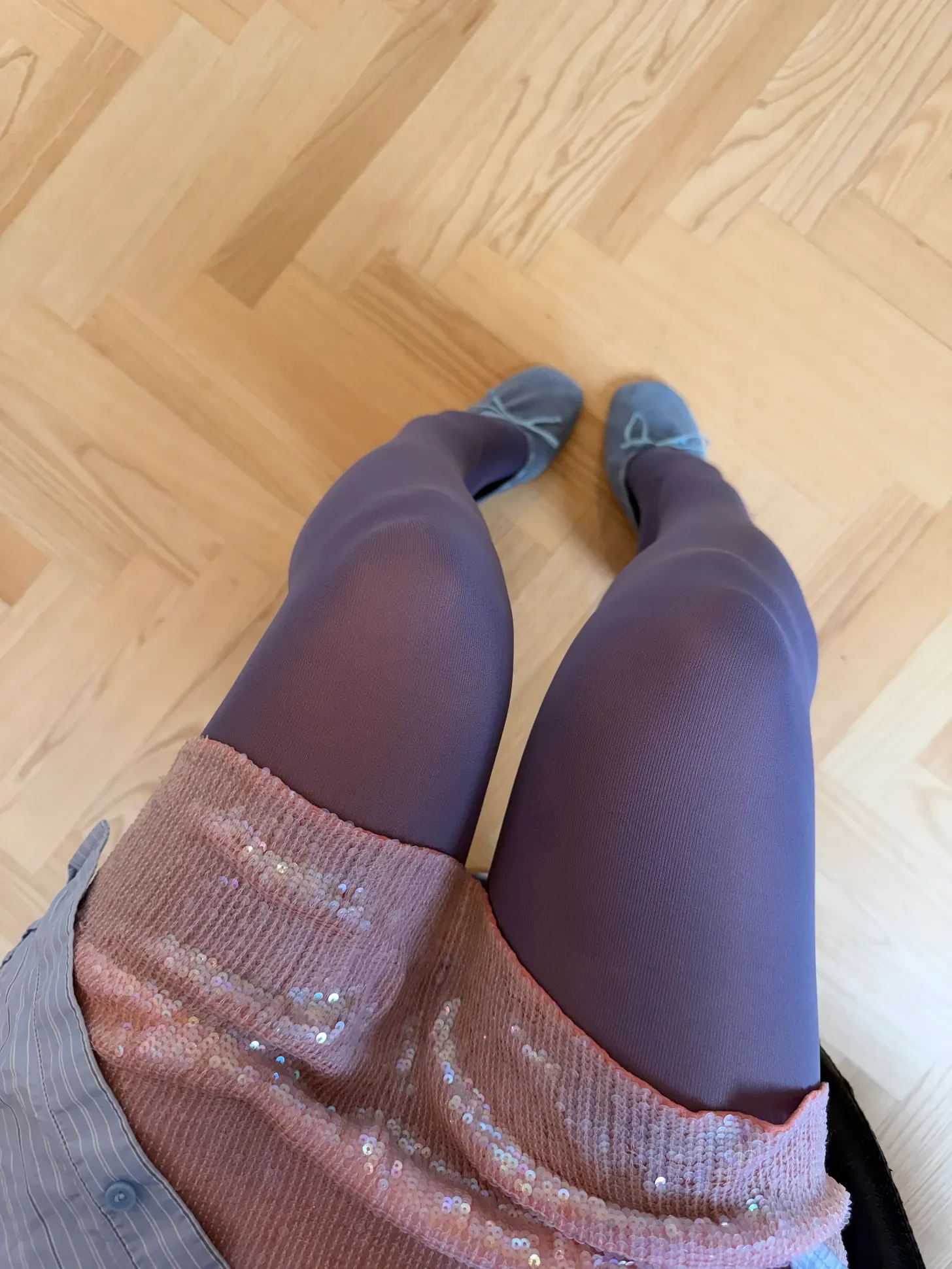
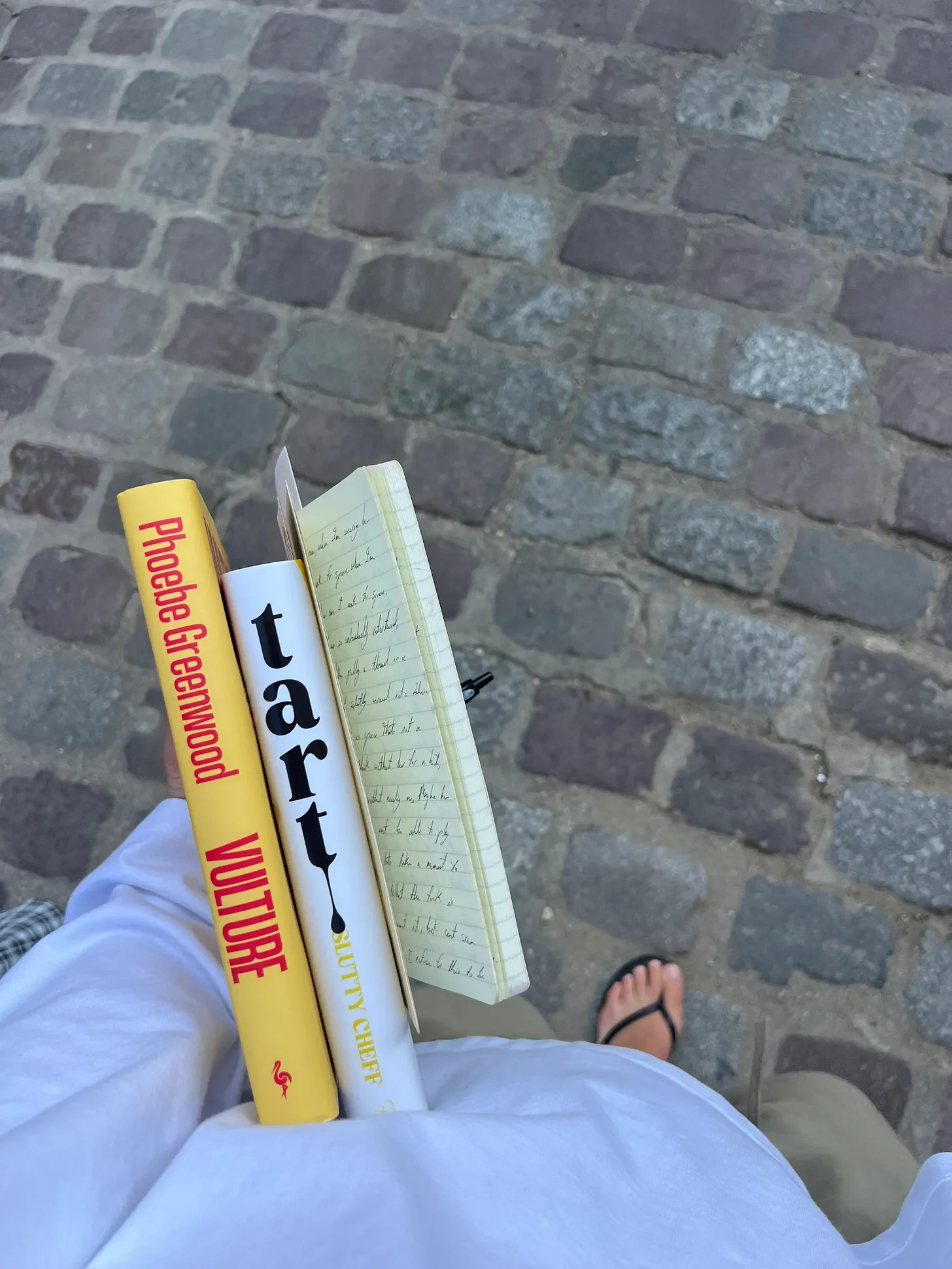

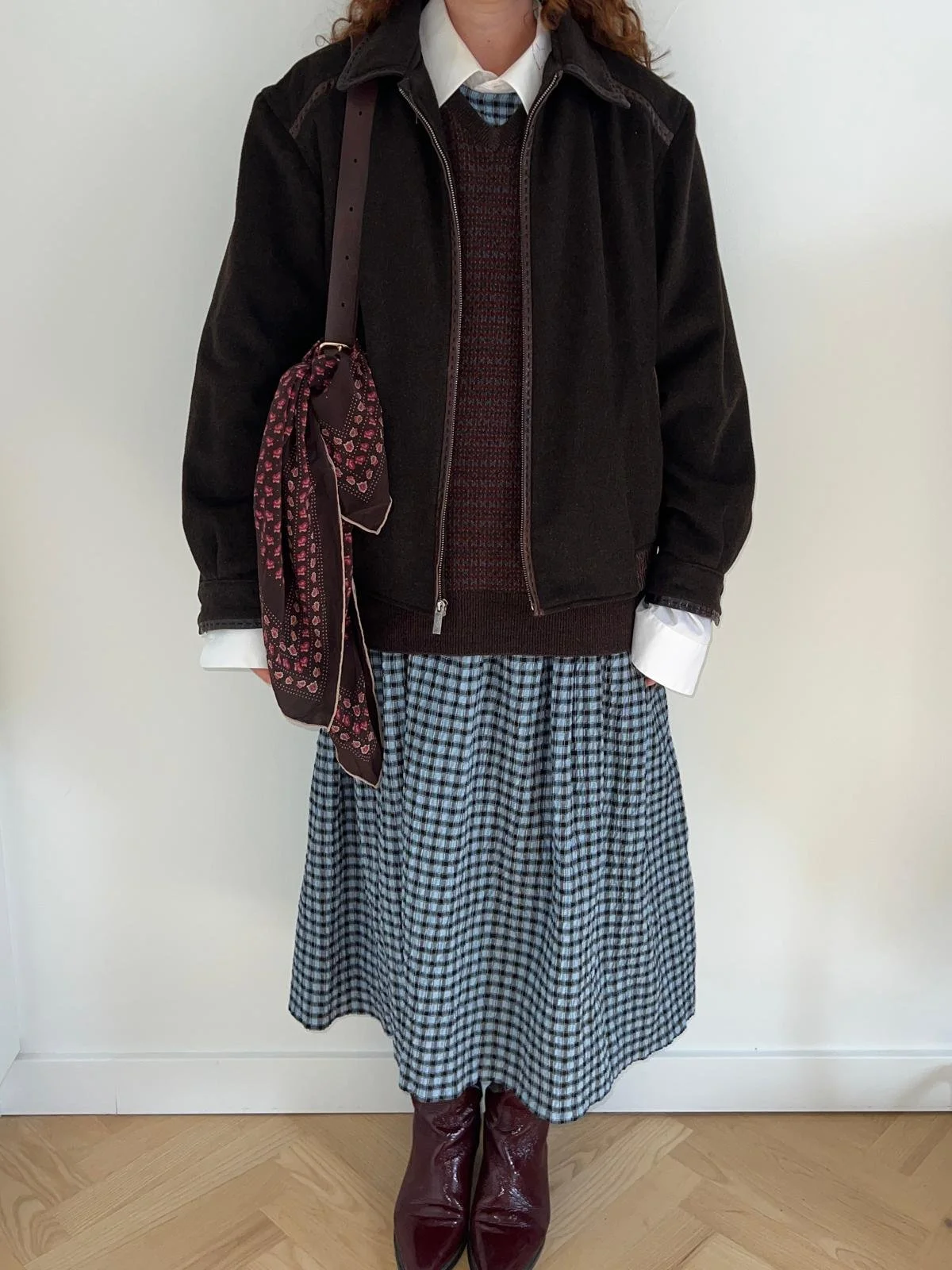

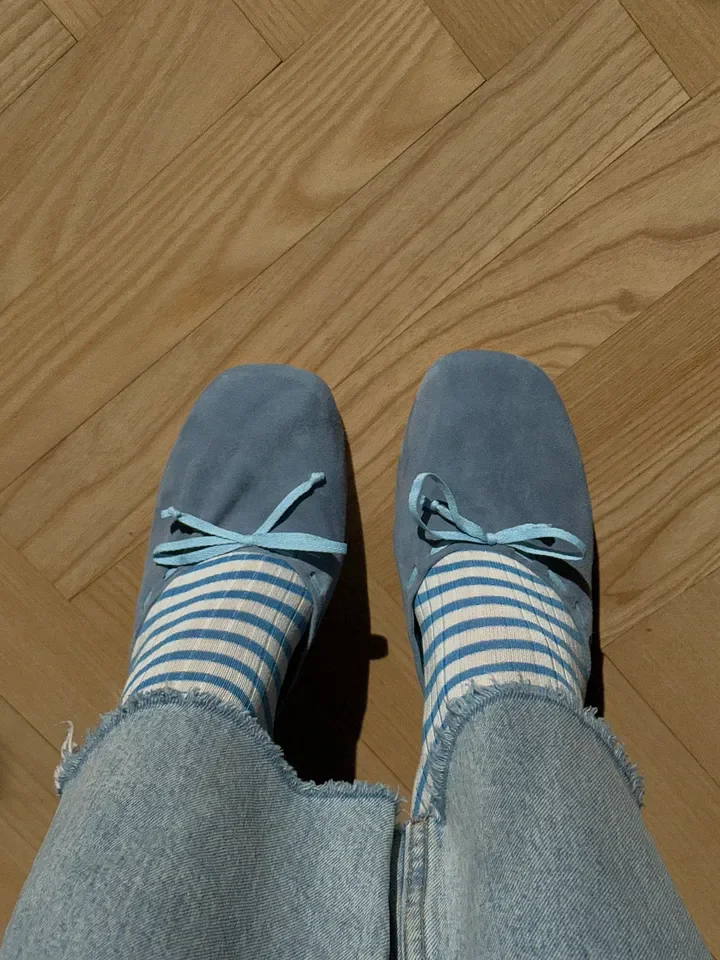
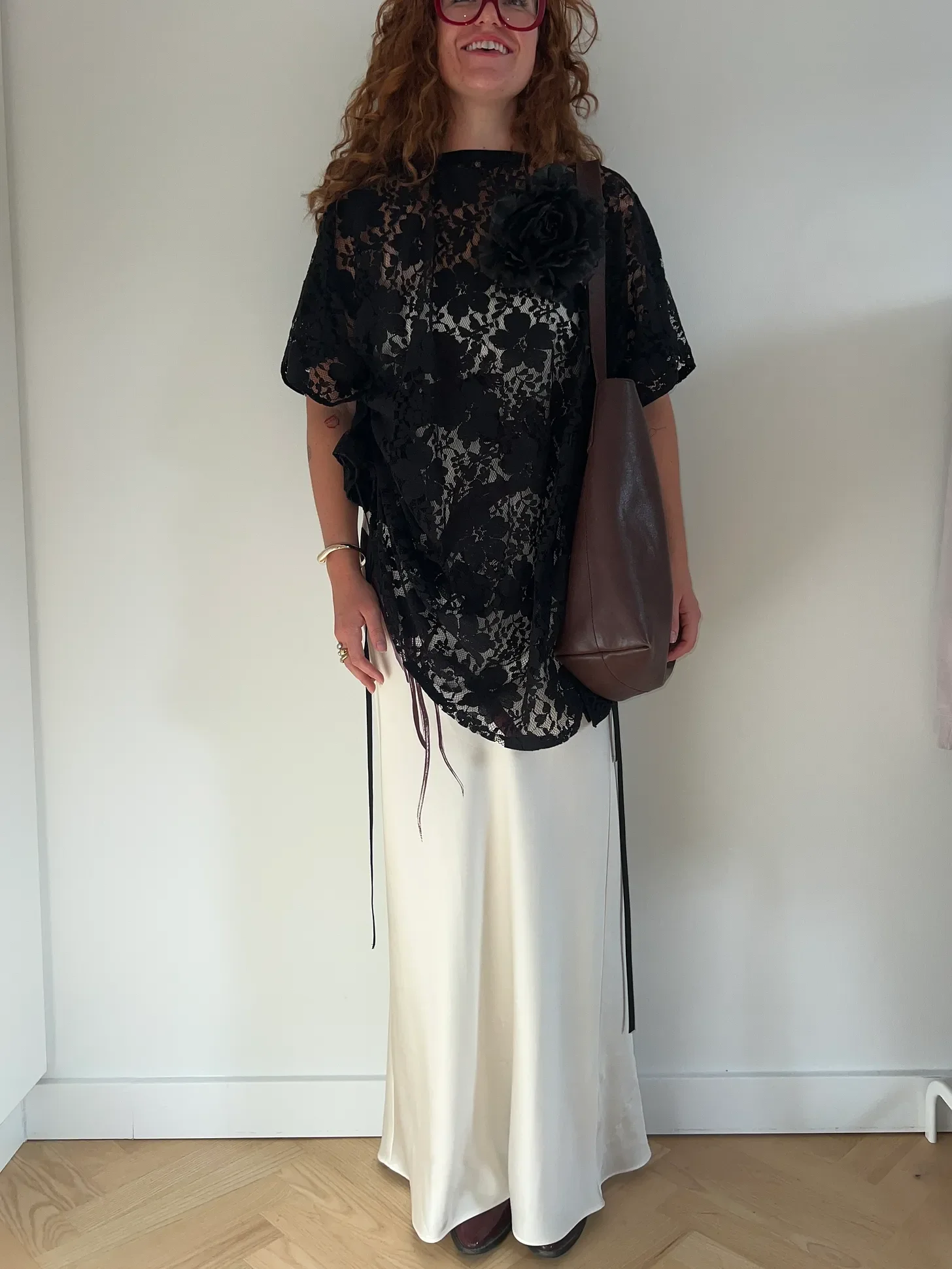



There are certain joys in Winter dressing that simply cannot be indulged in any other season. Pants under thick skirts layered with chunky sweaters. Precious hand-knit accessories made by friends, meant to swaddle you when they're far away. Clothes that, by nature, hold you, instead of stick to you or slide off like the water I never seem to remember to drink enough of.