
The most style inspiration I’ve ever crammed in one letter
How I build style boards for personal styling clients and reports from the runways.
Welcome to the Sunday newsletter.
An every seven days curation of touch sight taste and sound in relation to fashion and beyond. An accountability marker to maintain the never-ending curation of style, and to stay in contact with the senses through fabulous things.
I am currently building a reputable list of resources with my assistant and multiple former clients of mine who work in immigration law across the states in America. If you or someone you closely know works in the field, please email mac@phikastyling.com with information on the services you provide.
If you are receiving this letter, I strongly encourage you to take a look at this list of mutual aid resources that was gathered for the Minneapolis community.
If you are looking for more local or more general places to donate funds to, I can personally recommend the Immigrant Defense Project, National Immigration Project, and your local public library.
A simple $6 a month donation can help fund legal defense for a person or family in need. If you do not feel comfortable donating $6 a month, I strongly encourage you to cancel your subscription to my newsletter and redirect the funds to one of the aforementioned projects instead.

Song of the week
This spot in the letter is saved for the song that encapsulated the feelings of the week.
It’s a suggestion meant to be paired in the background on loop while you work through the letter on a computer.
This week’s song is When We Met by Dana and Alden.
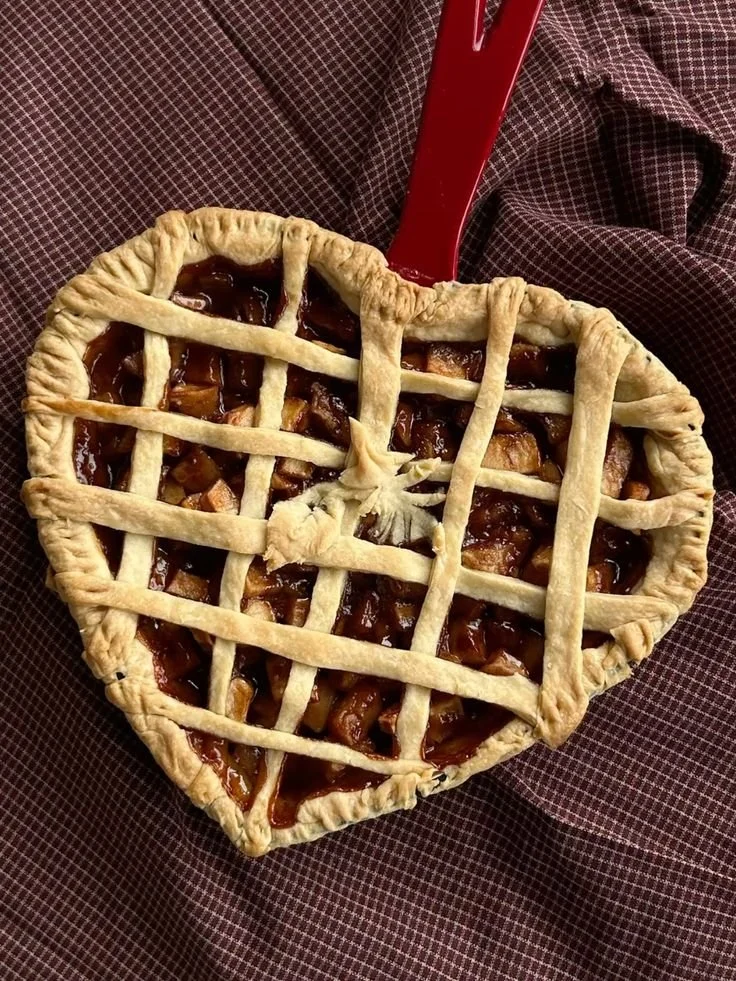
LIGHT BITES OF THE WEEK
This is how you should be designing your wardrobe
I’m going to share with you the six categories I use to create a style board for my clients. This board partially acts as a compass during our time together, a guide to confirm that we are on the right track. It’s also a tool to pull goals out of a person that they might not yet be aware of.
Everyone knows they want to like their wardrobe. Most people know what styles they think they’re drawn to, but the real fun happens when we discover the parts of their style they didn’t even know were lying dormant. When we push what they know they like far enough, we can sometimes stumble across something they didn’t yet know they loved.
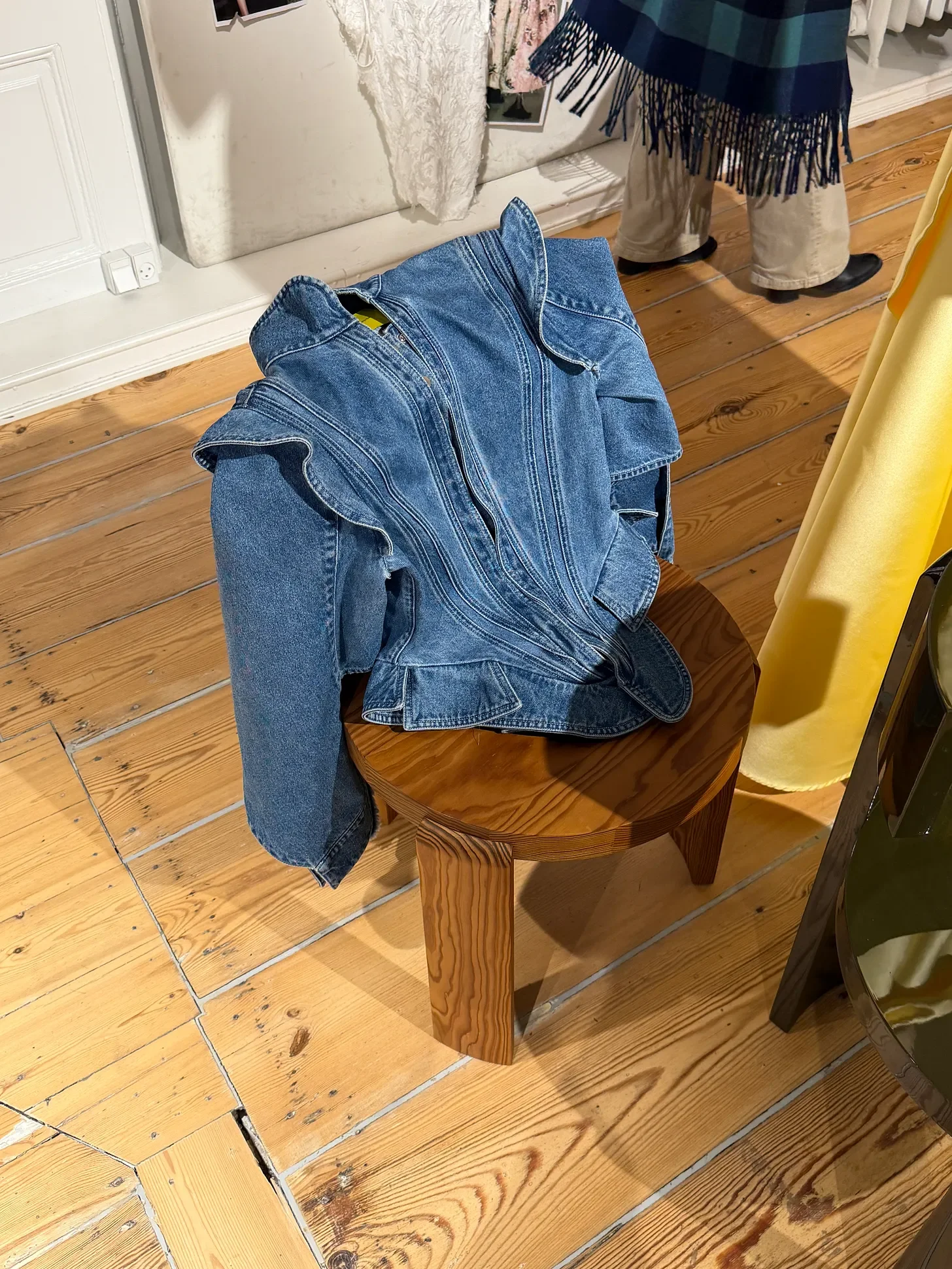
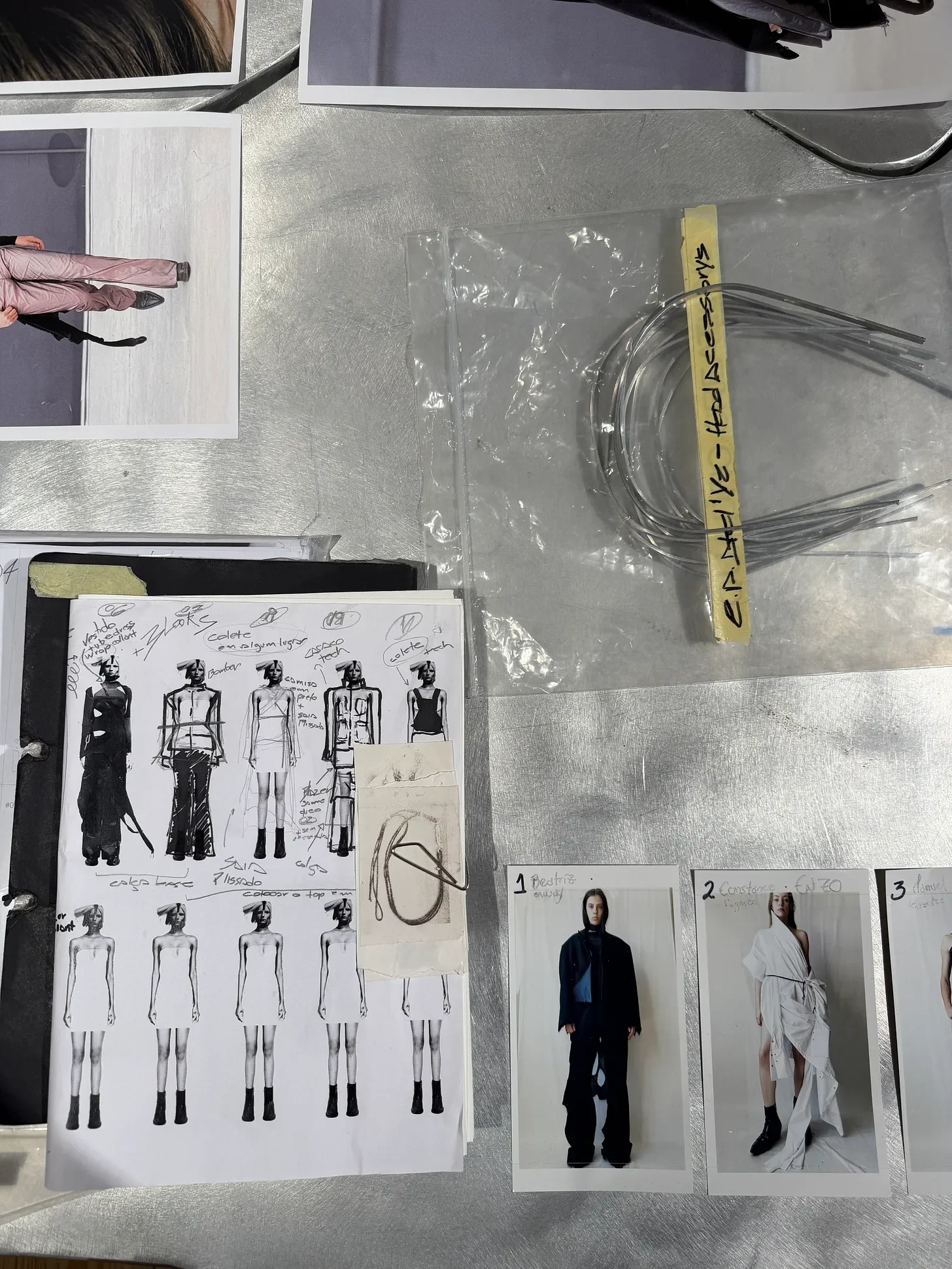
I had the wonderful opportunity to stop by a few studios this week and check out the designers’ collections from conception to production. Most notably, KINRADEN, a Danish fine jewelry brand, and a collection of Portuguese designers curated and presented by Marques’ Almeida.
What was marvelous about these presentations to me was the detailed display of the beginning stages of making a collection.
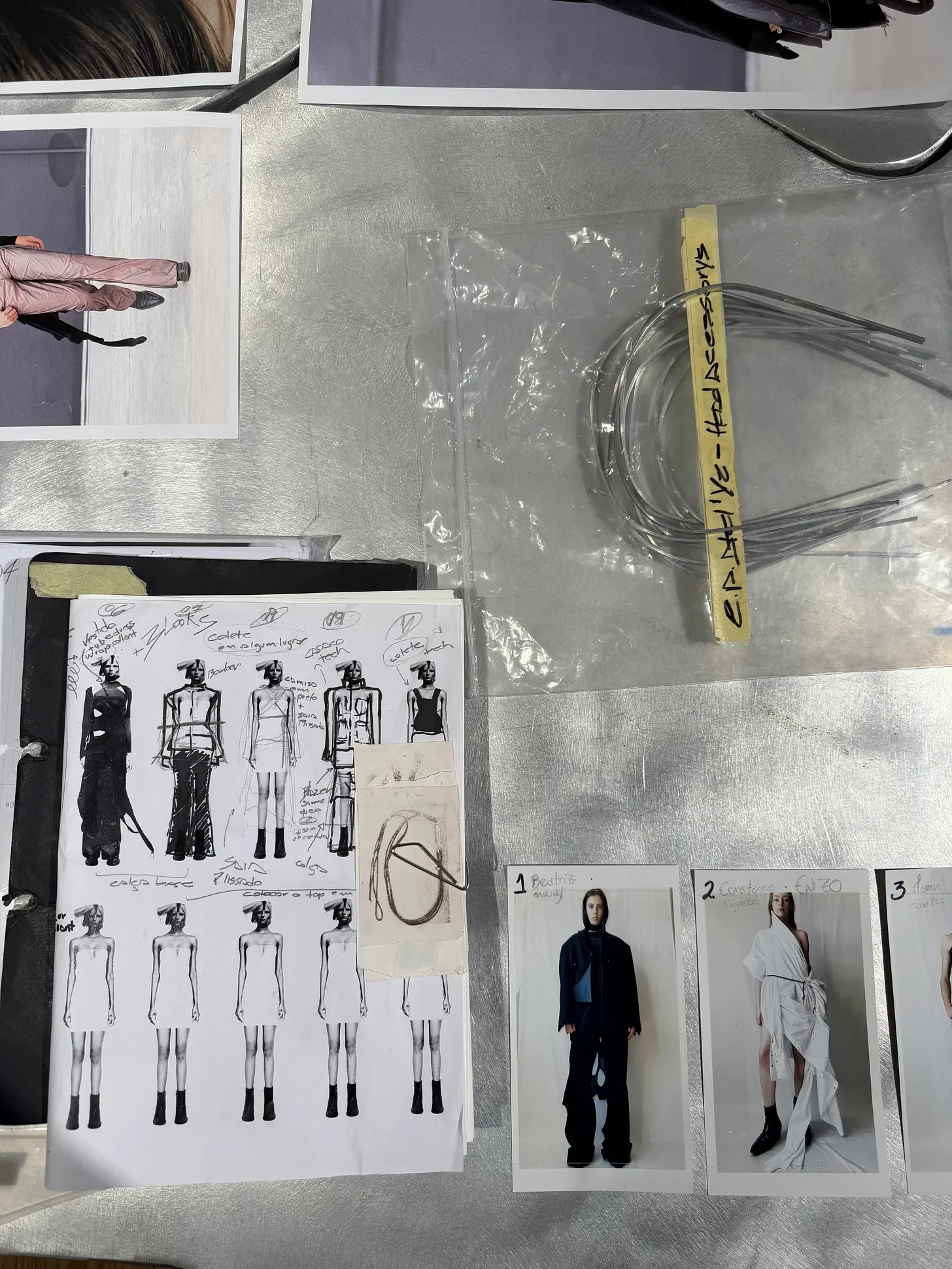
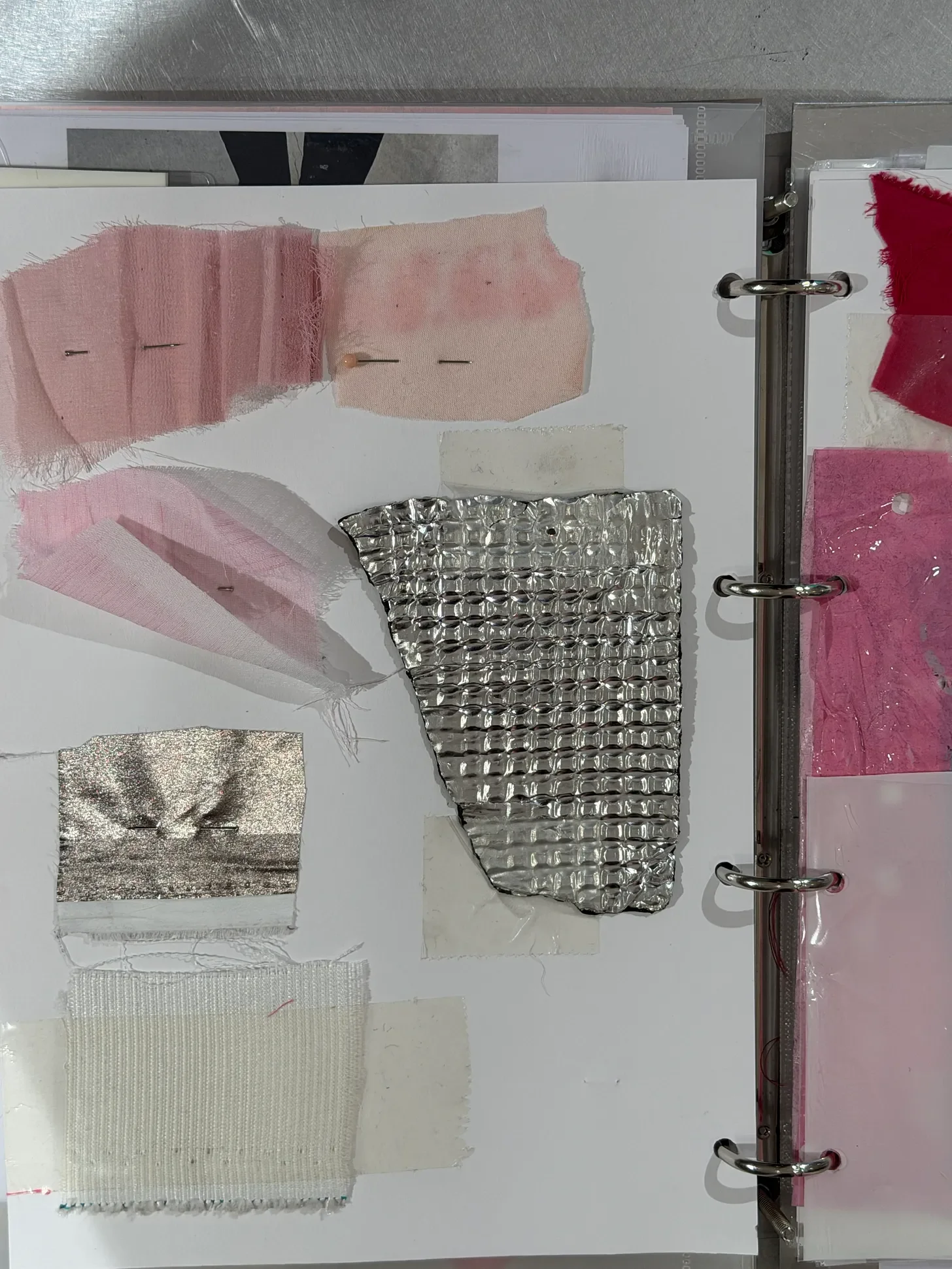
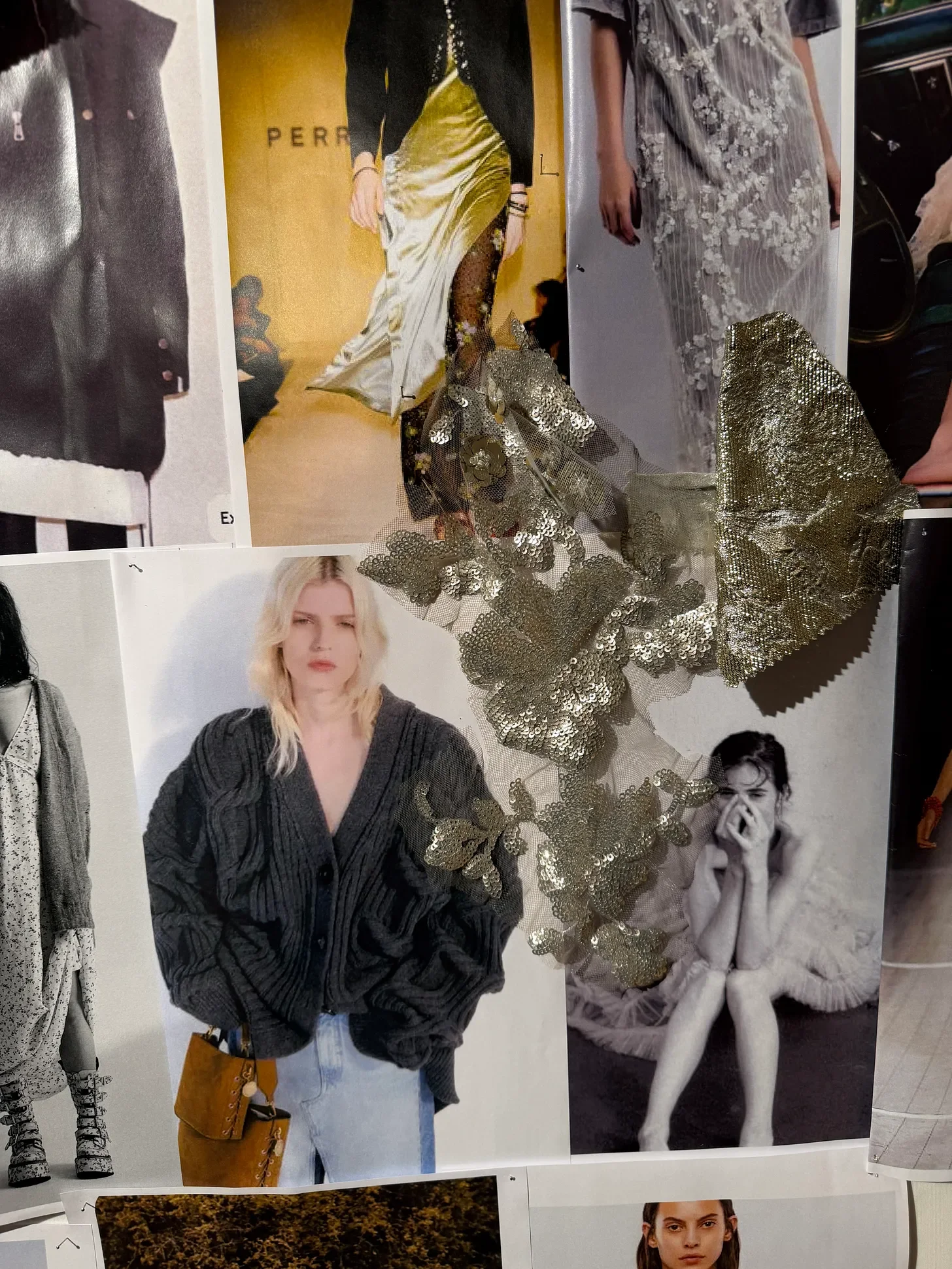
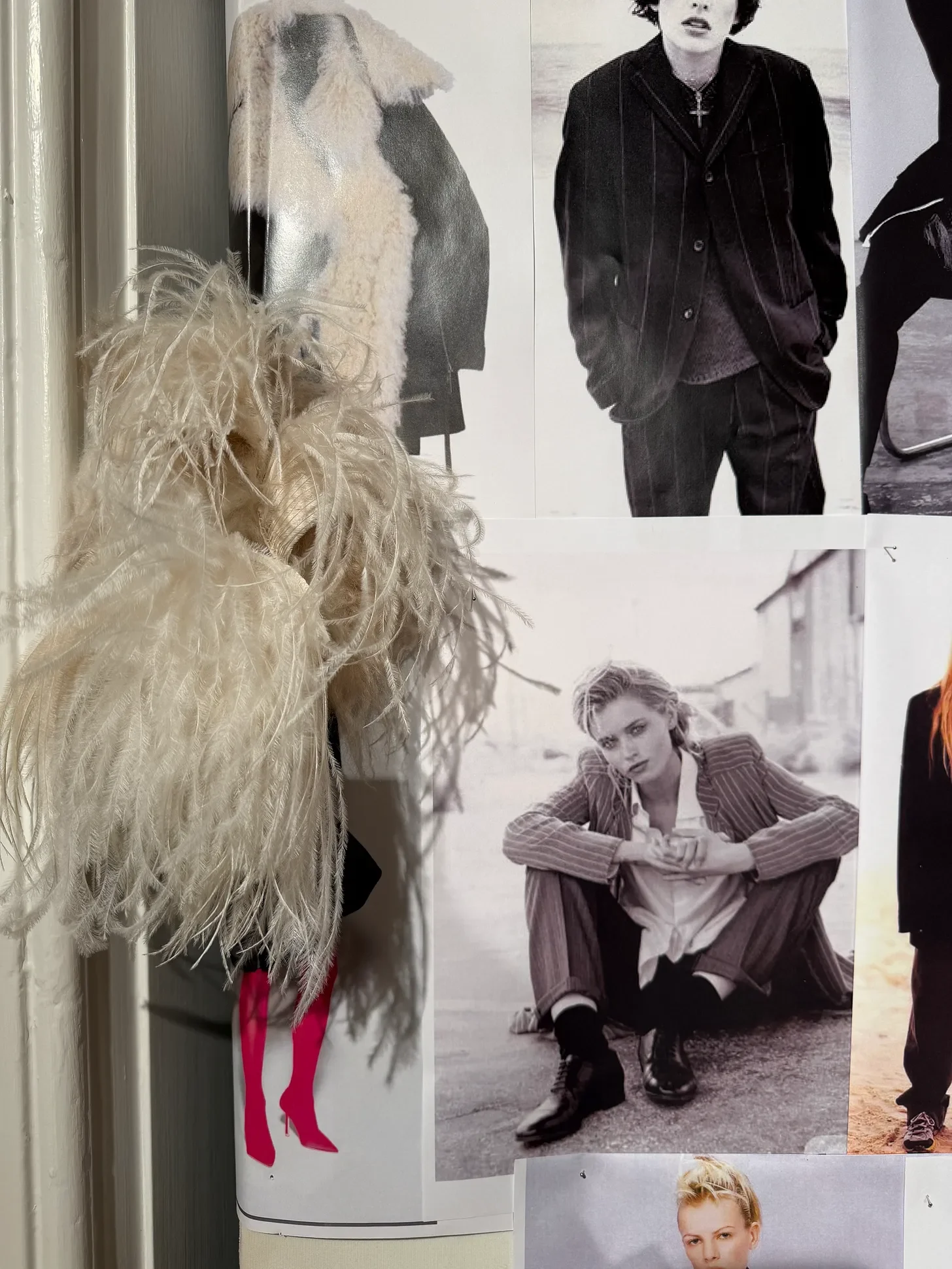
The garments on display were, of course, stunning as well, but without a clear explanation of all the work that went into the creation of each piece, clothing on a hanger can become just that: a piece. An undefinable small morsel of something you know came from a much bigger whole—but without seeing it in front of your face, it can feel sort of, well, small and alone.
I don’t mean to say the clothing wasn’t fantastic—it was. But when faced with the opportunity to dissect either a product or the journey that brought that product to life, I will always choose the latter.
This is because the epic of conception is much closer to the human who made it than the product itself. And that is the sickening trade-off of producing art: the very moment months of storytelling and hard work come to fruition in physical form, you create something that came from you, yet now exists outside of you—and, as such, must go into the world and be taken from you.
The KINRADEN preview was the perfect visualization of that.
Chartreuse and baby blue, of course, as mentioned in previous newsletters and often worn in the form of my favorite turtleneck and shoes.
I saw the photo of dark brown and silver, and was immediately taken by the idea of vintage silver rings peeking out from a fuzzy brown sweater, or hands adorned in thick silver bracelets wrapping a brown scarf around the neck.
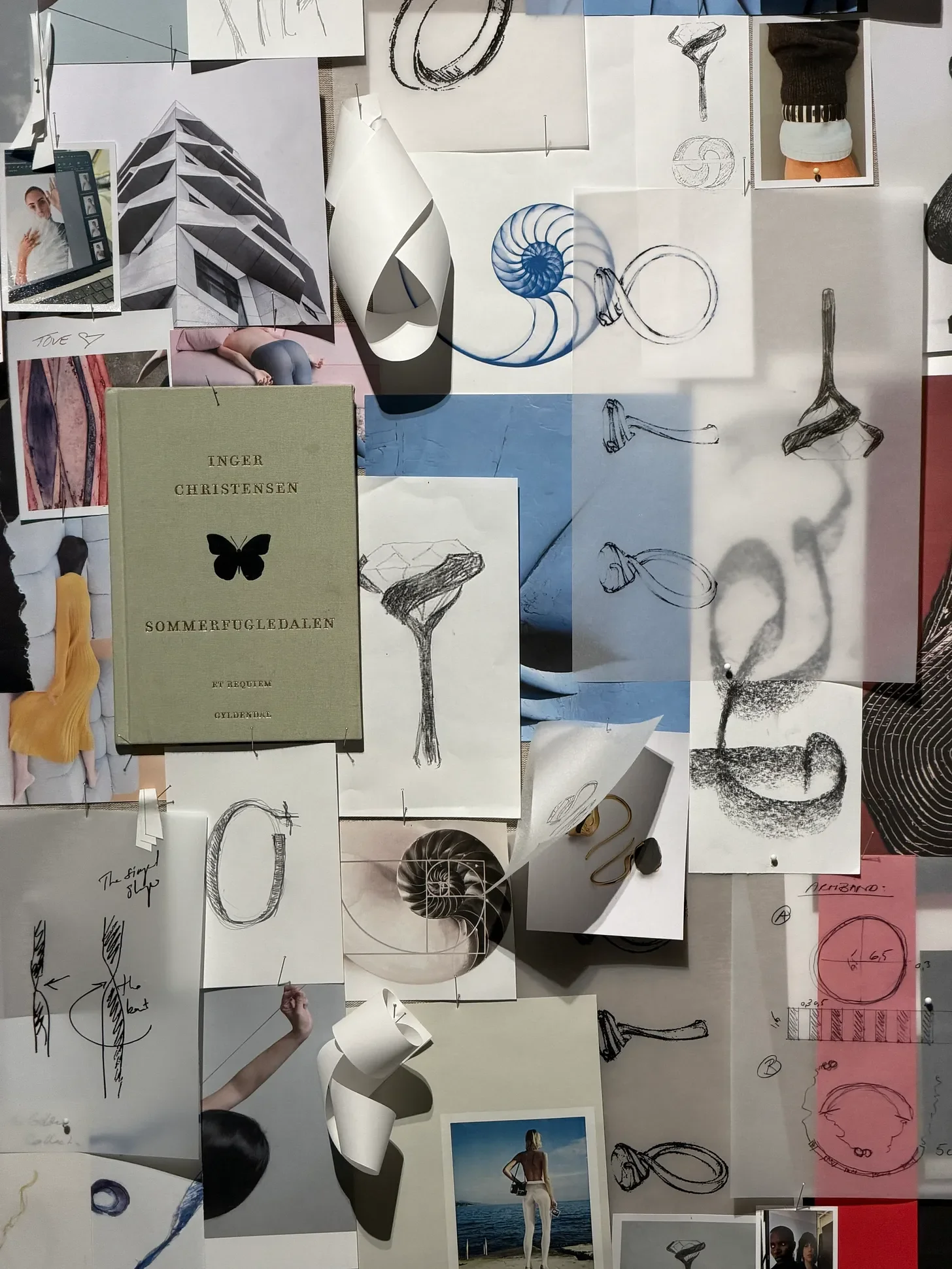
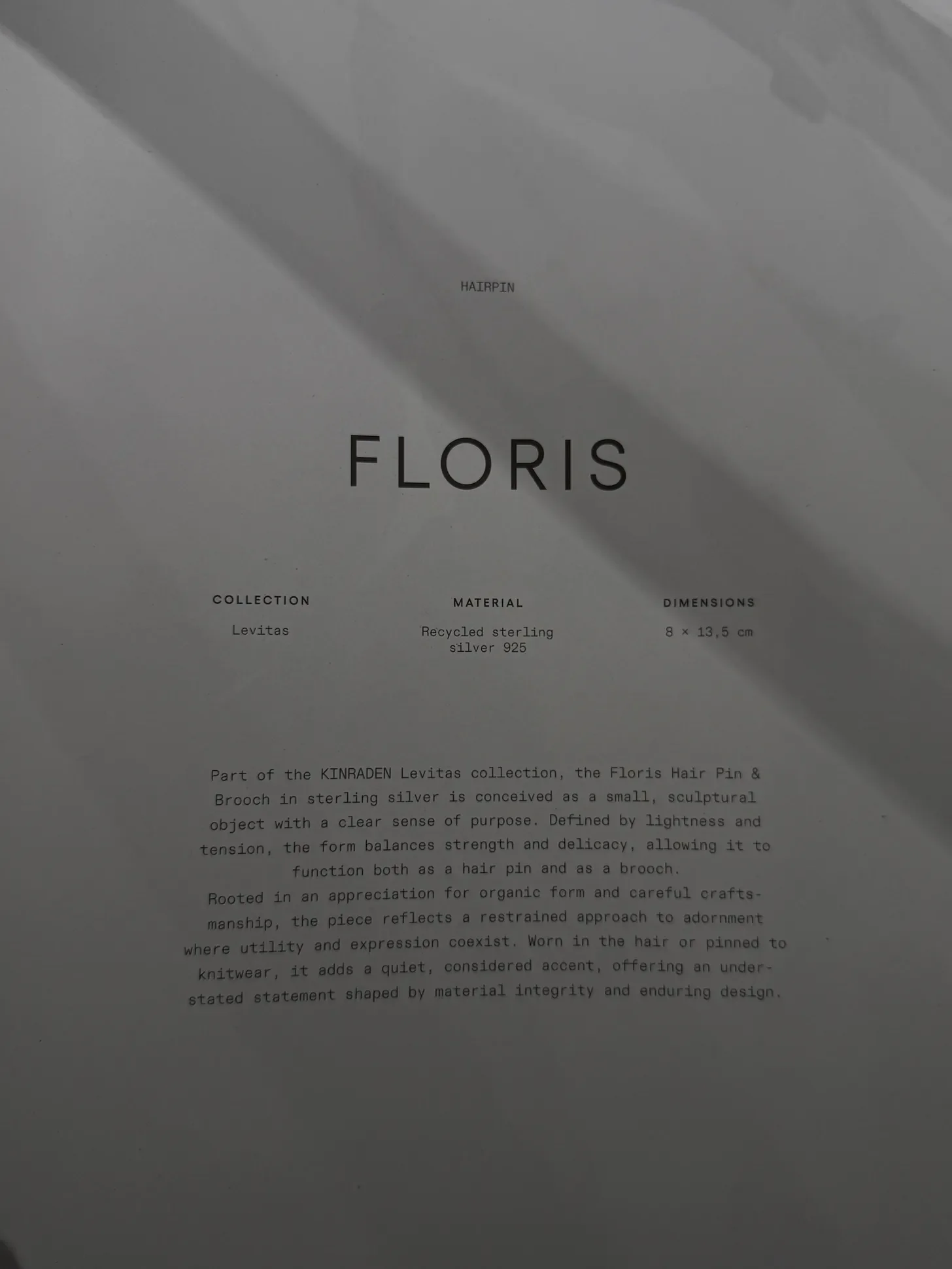
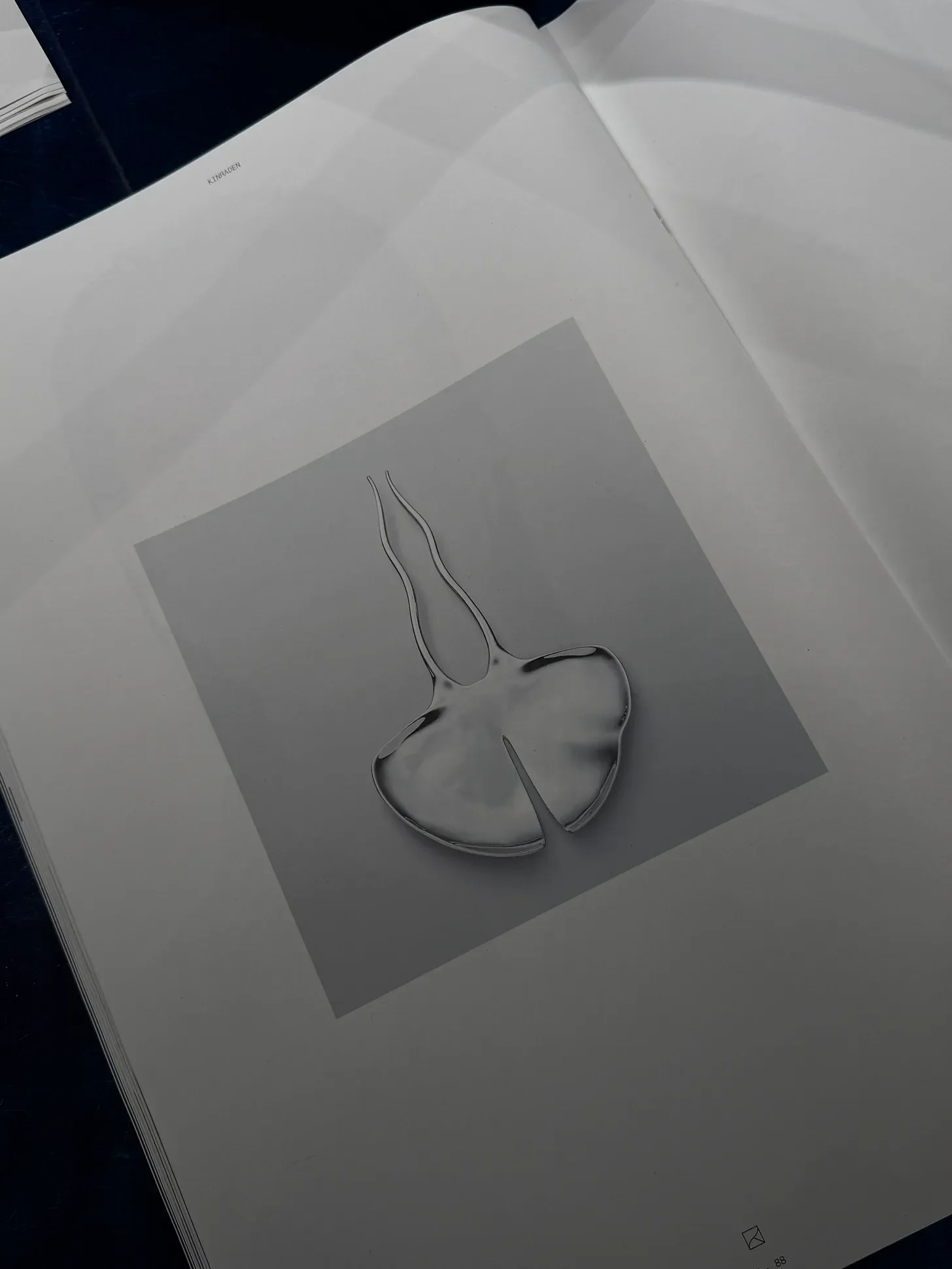
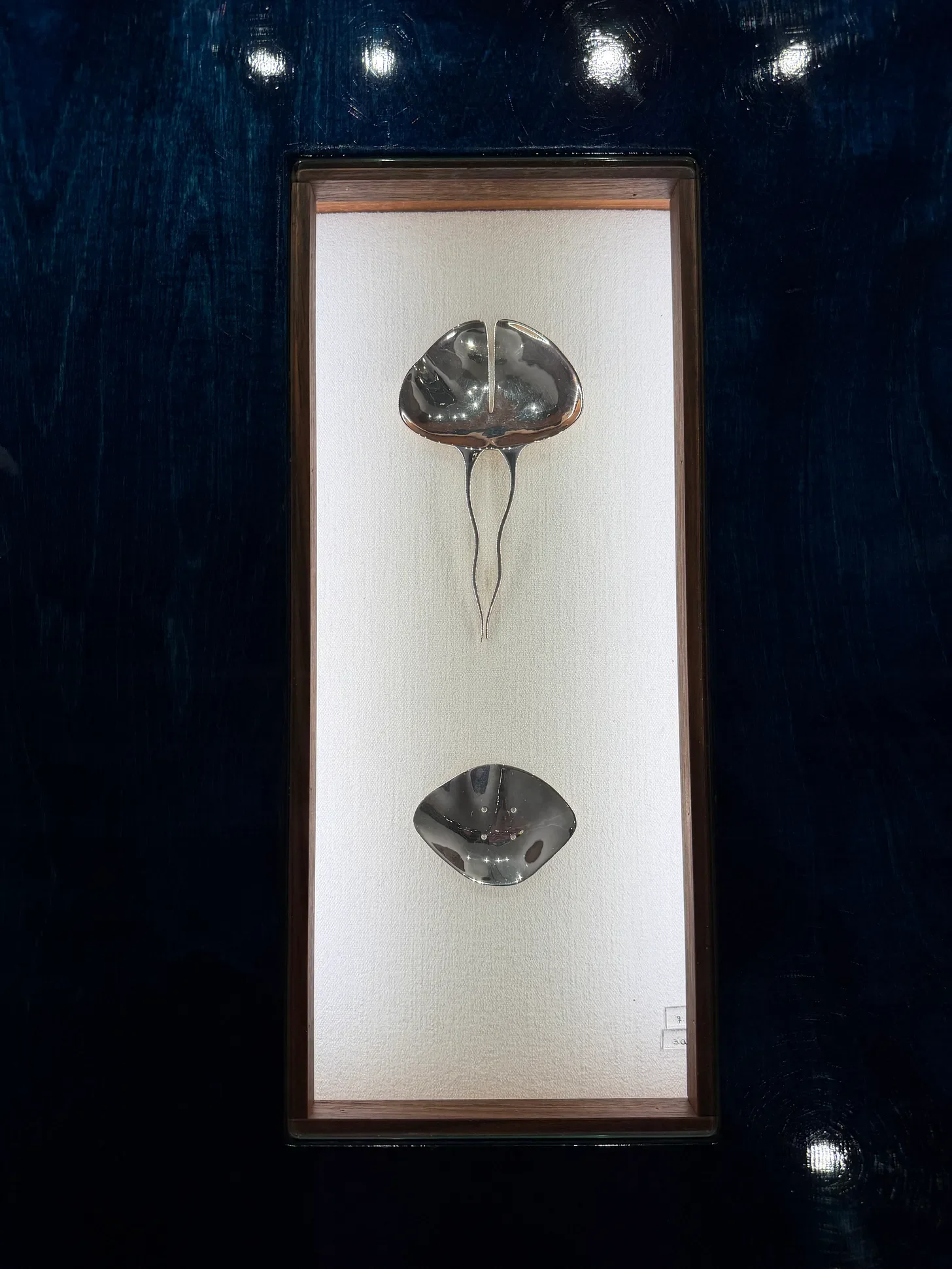
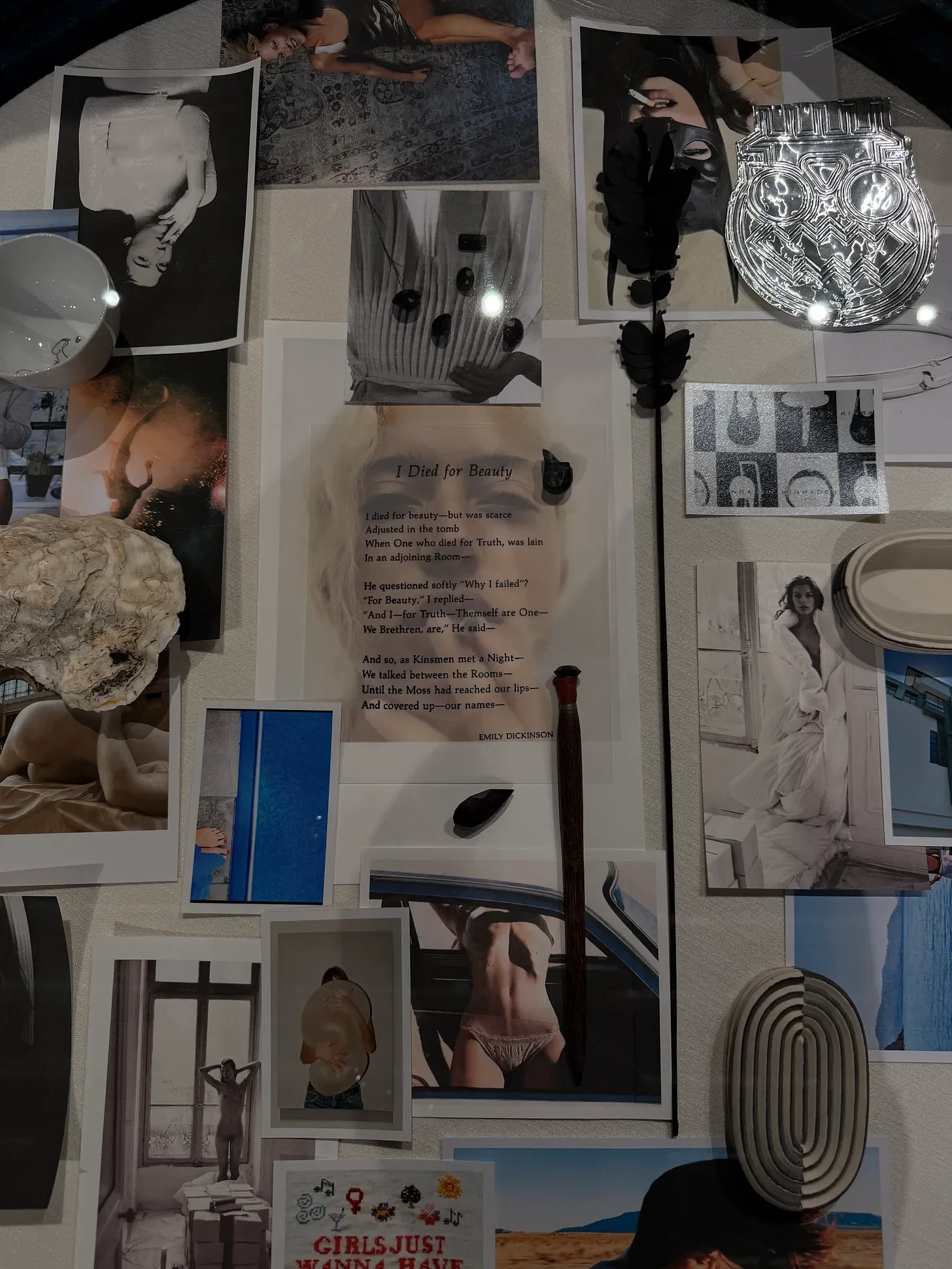
Every single board was so carefully curated that it was competing with my attention for the jewelry itself. The six categories I focus on when building a style board for my clients is this:
Overall keywords
Individual items
Colors
Specific silhouettes
Materials and fabrics
Abstract style inspiration
All of these were present in every designer’s previews because, to pull something new out of your mind and into the physical world, you cannot rely only on other, already-made versions of that thing to inspire you. The exact same principle applies to personal style.
To create something truly unique to yourself, you cannot rely solely on inspiration from other, already-made styles. It has to be more specific than that. More notes on how to execute this style board are in your style exercise for the week.
Some of my favorite looks from CPHFW
It’s a treat to see the styles of the street just as much as it is to see what’s on the runways. Honestly, it might even be more satisfying to focus solely on the former.
I’m not usually comfortable taking photos of people in public, but this past week was a different kind of circumstance where not photographing your peers is almost insulting. So today, I come to you emboldened by the normalization of photography everywhere, with my absolute favorite looks from the stage, the street, and everywhere in between. I hope these photos bring you as much joy and inspiration as they brought me.
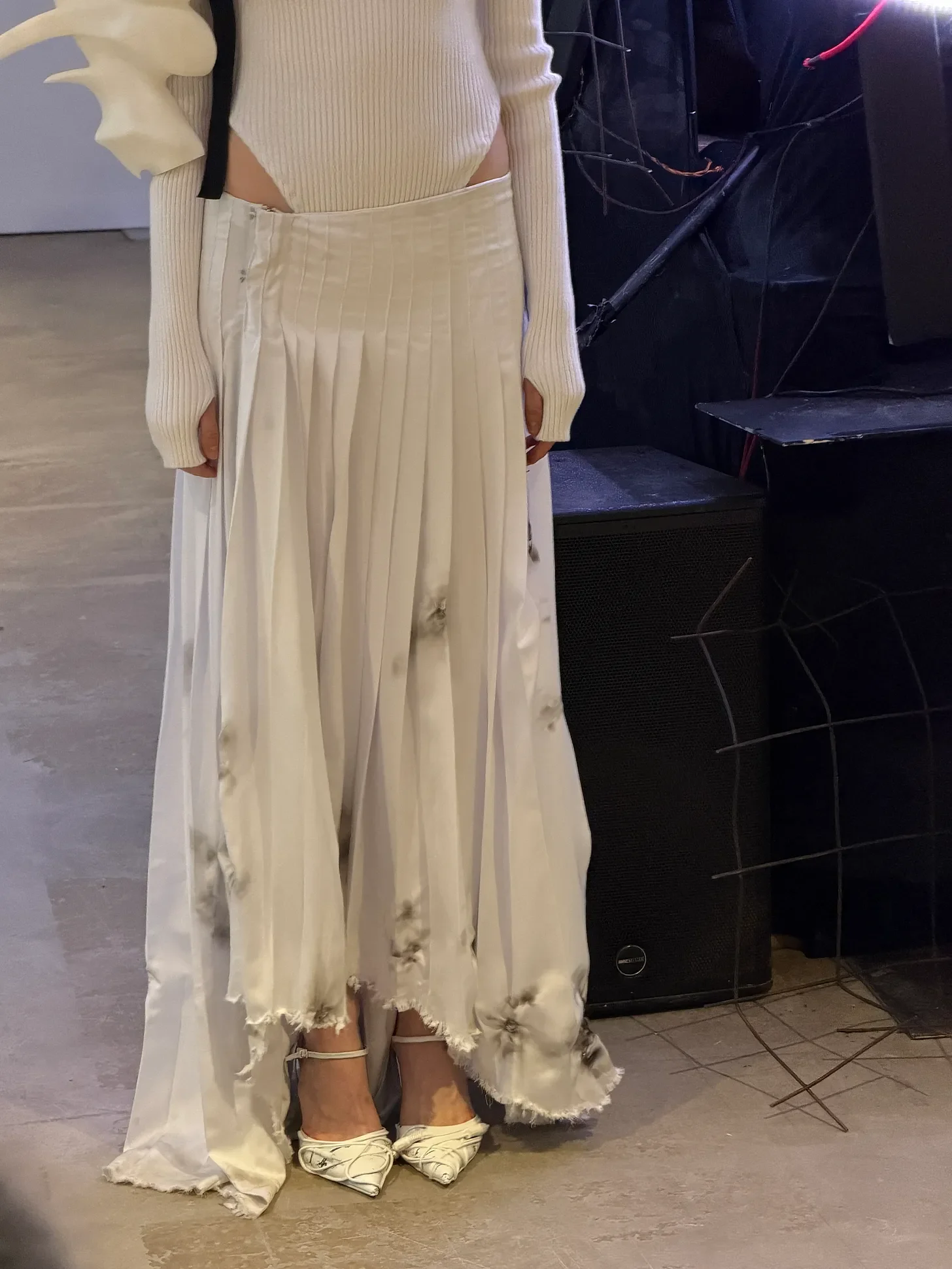
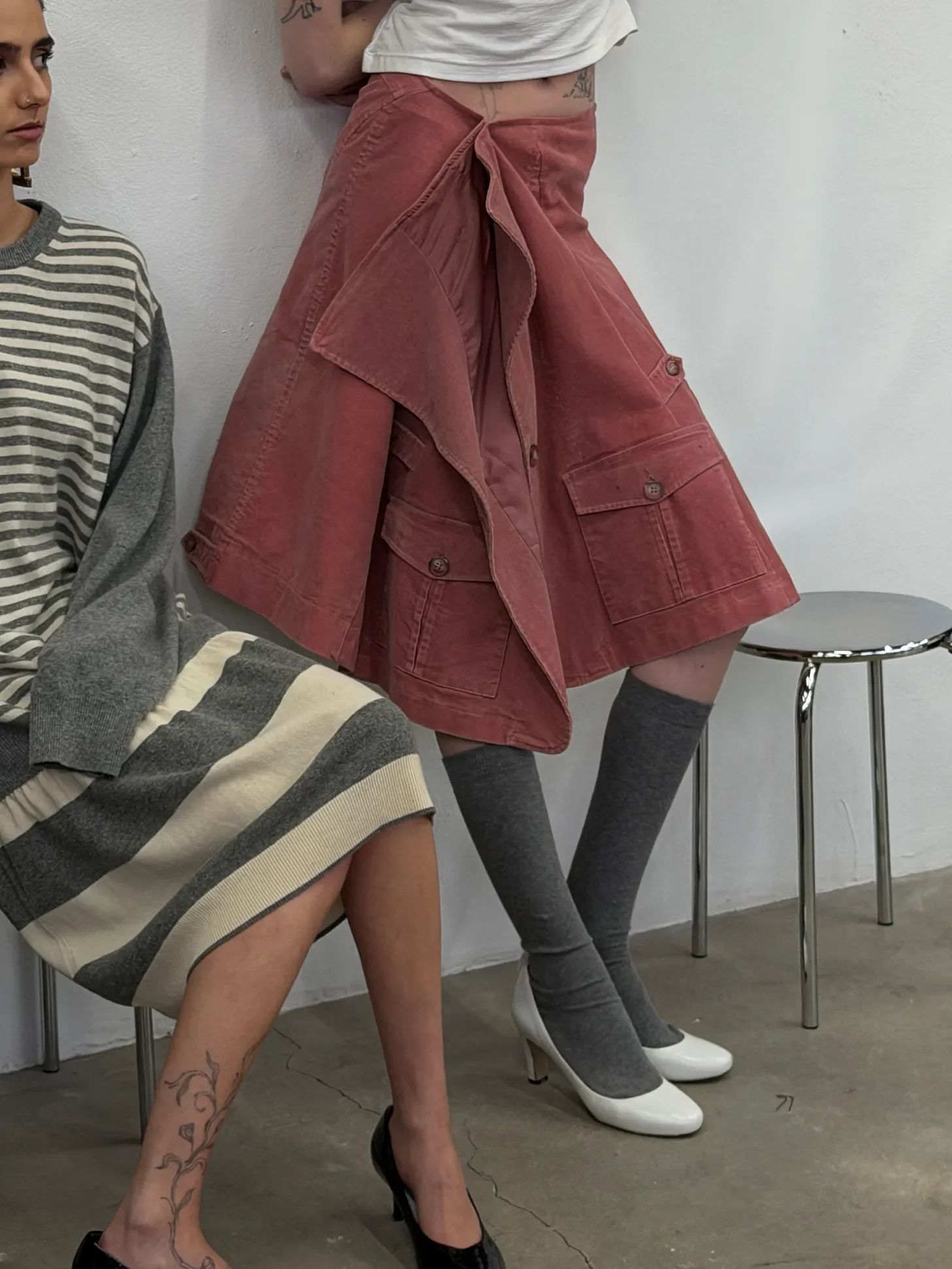
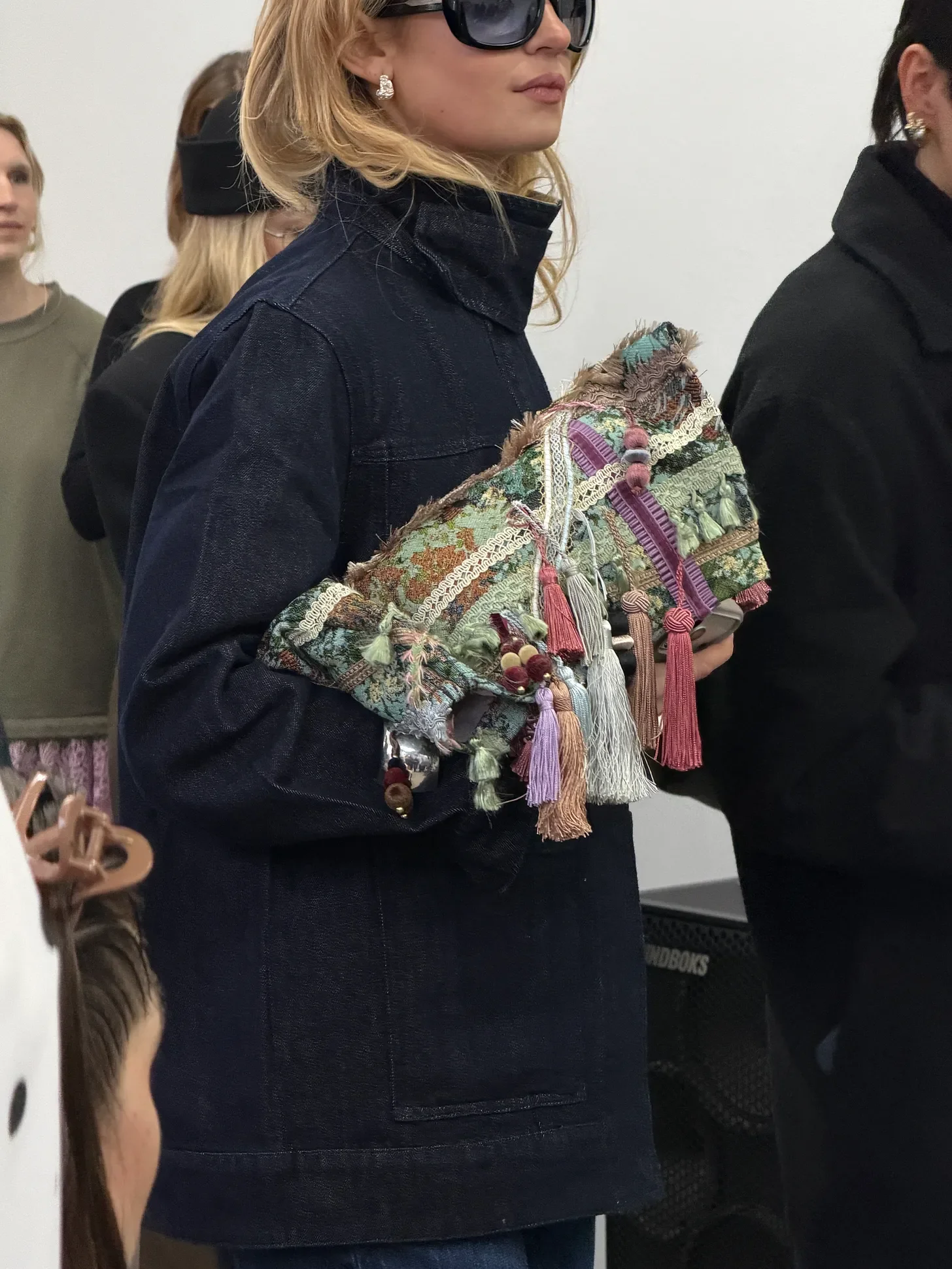
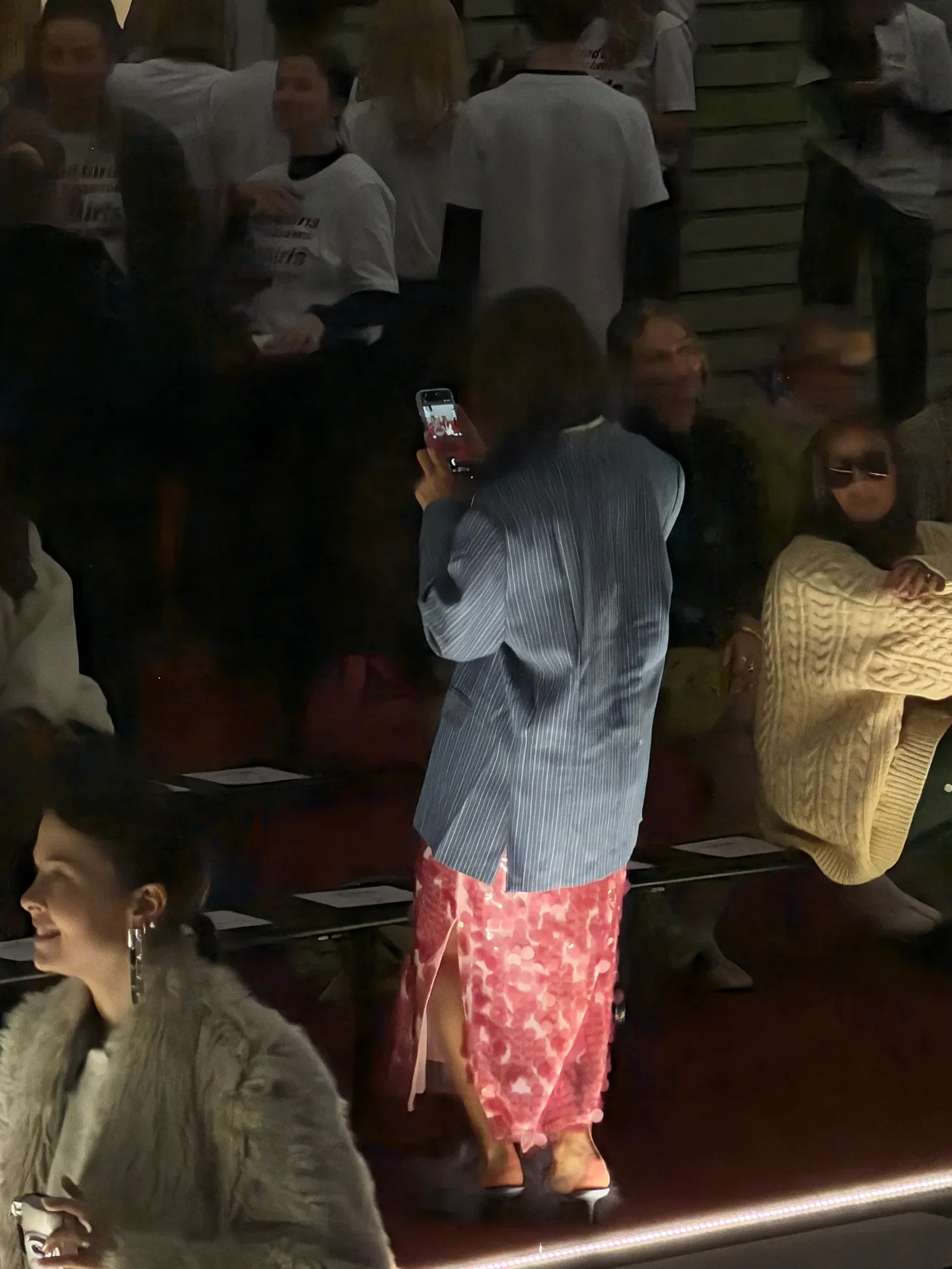
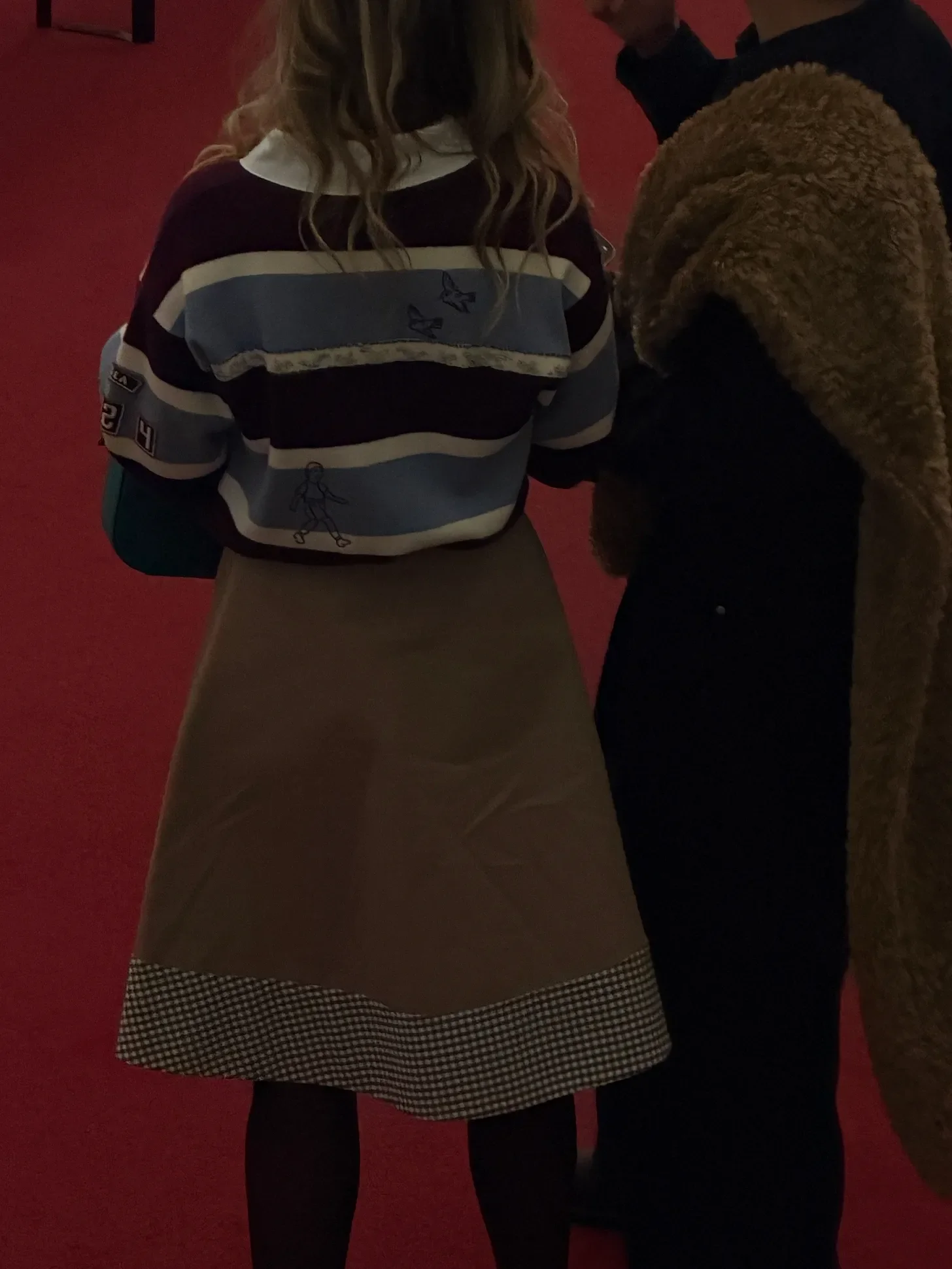
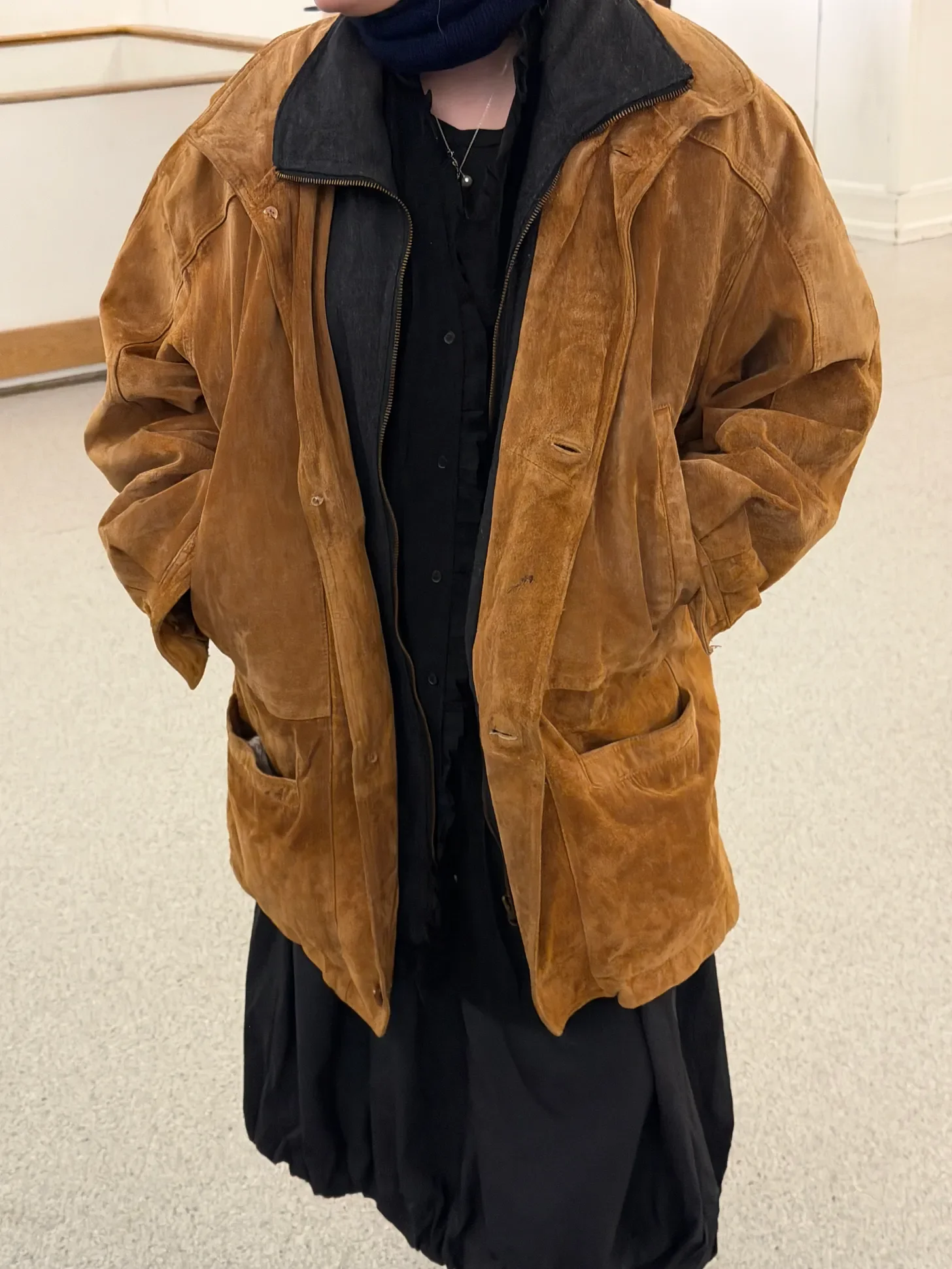
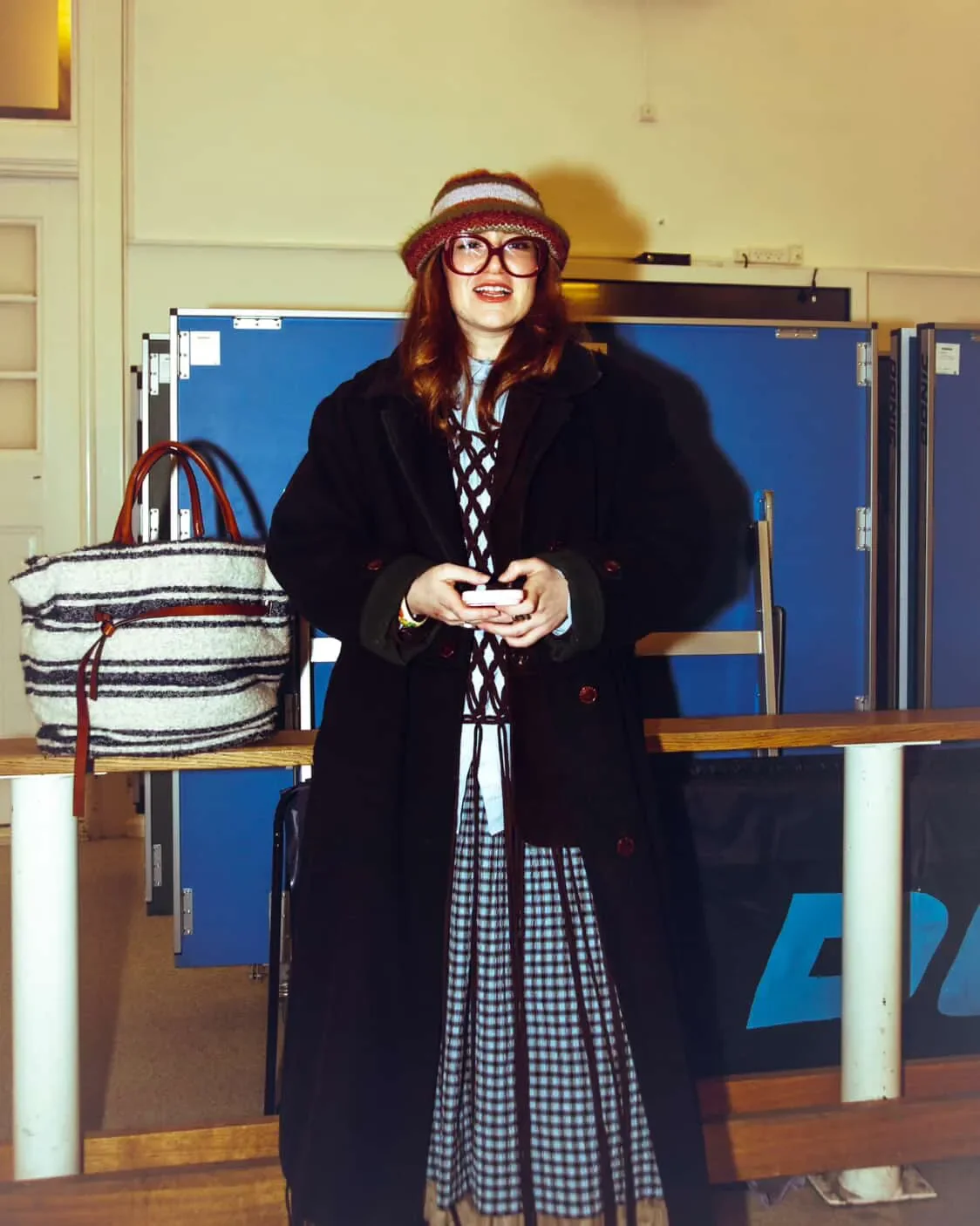
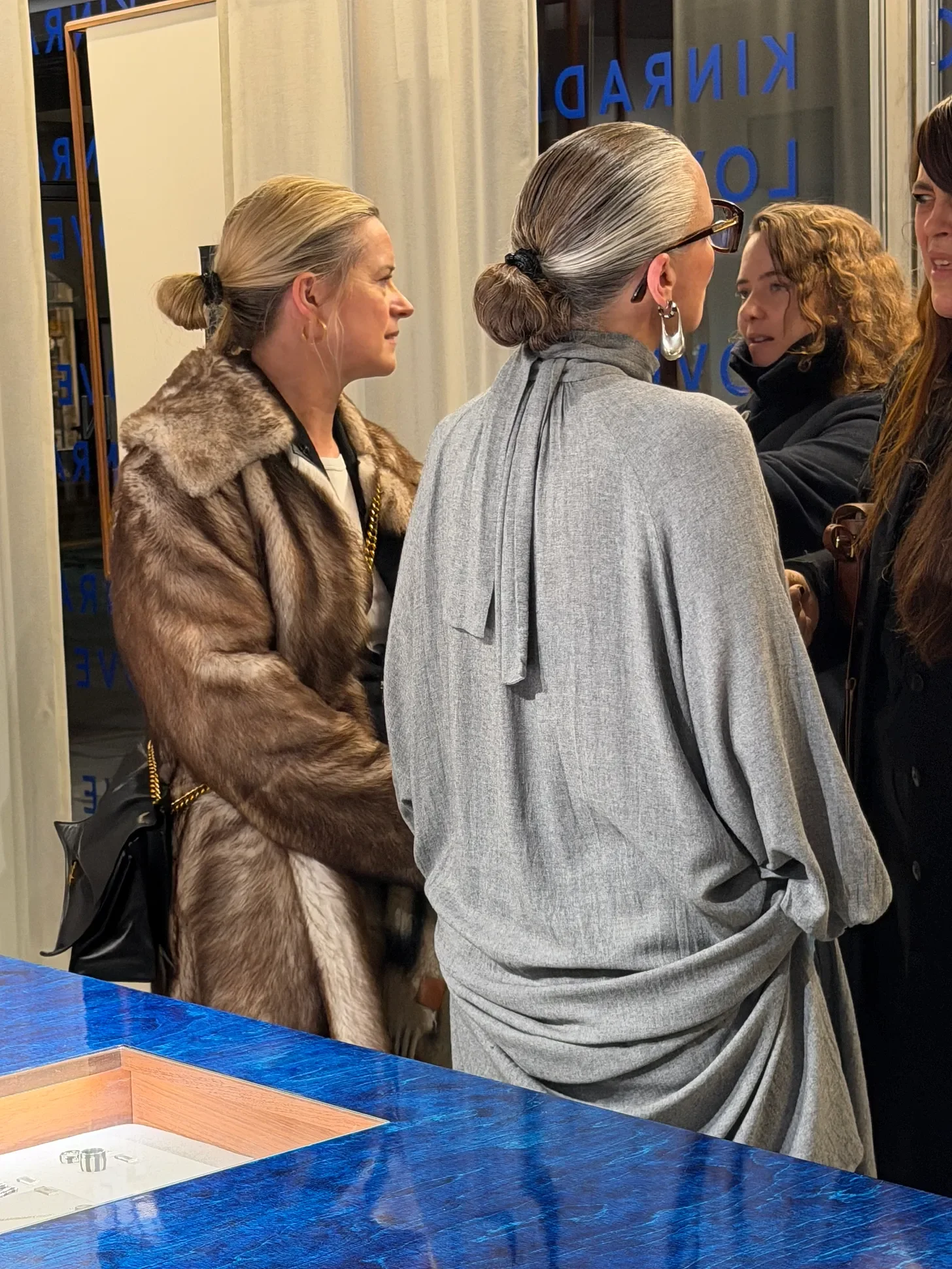
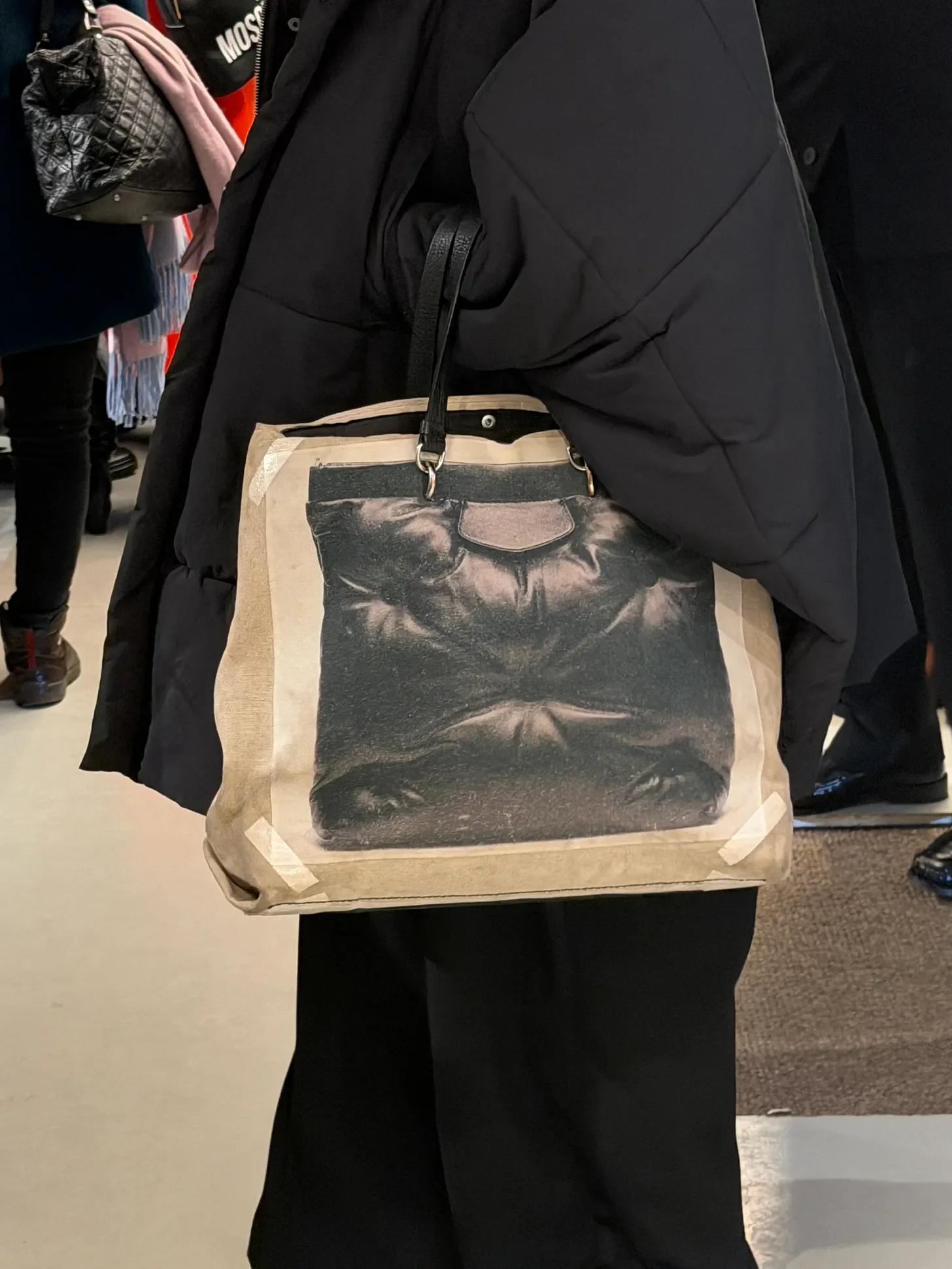
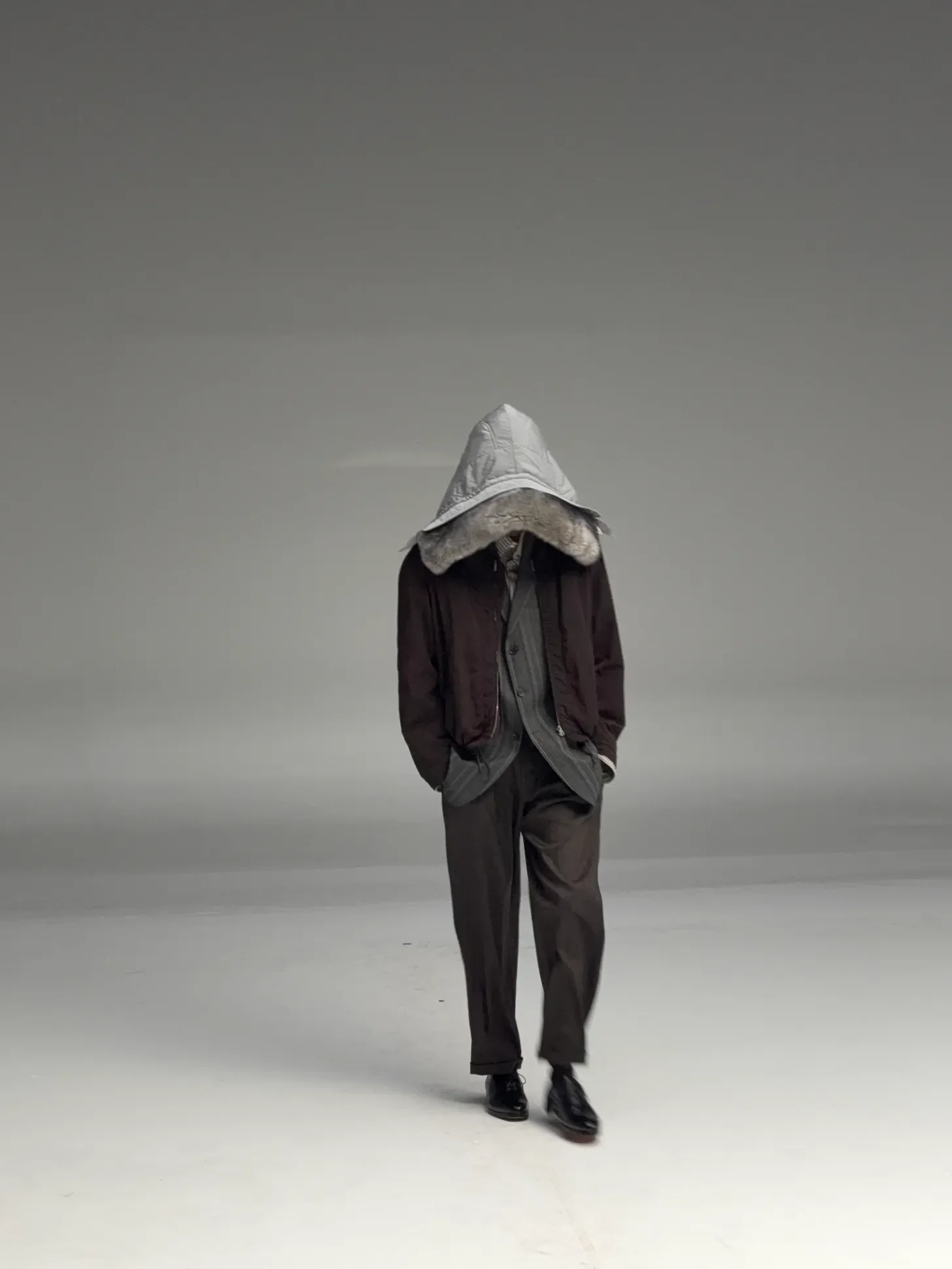
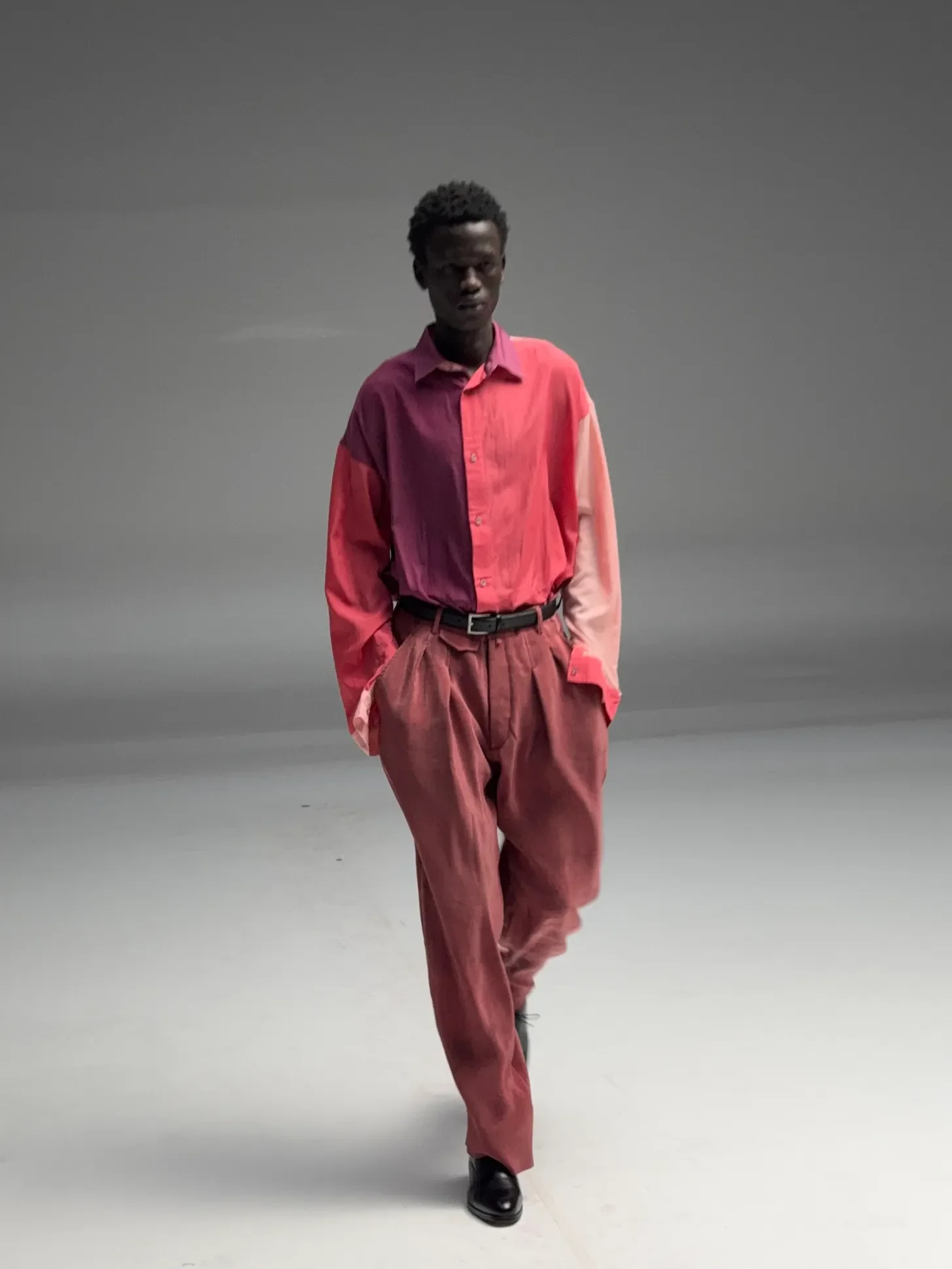
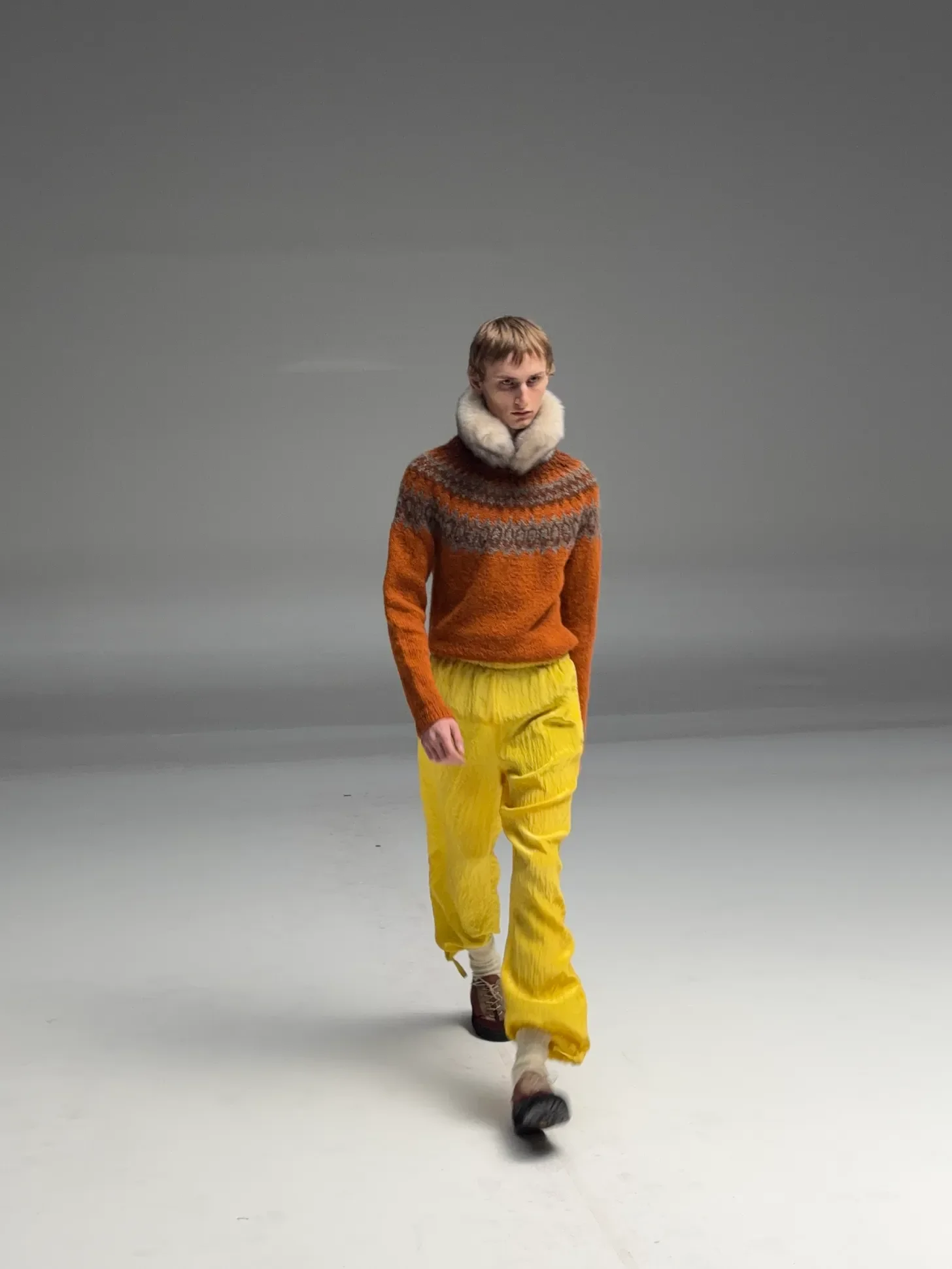
SSON and Ranra were both brands awarded “One to Watch”
There is much MUCH more to share, but with great self-control, I will ration it out in the coming weeks!
How Much Power Do We Lose When We Control?
Fashion is so blatantly political that to deny this fact would strip you of any credibility to speak on the topic at all. That’s why, this week, I couldn’t look at a single runway or snap a single photo without thinking about what’s happening back home and applying what I was seeing to the state of America. I know that trying to make sense of the world is a fool’s game, but it’s also the only way I can stay somewhat sane.
When a brand controls who they want to be seen in their clothes so staunchly, are they shooting themselves in the foot?
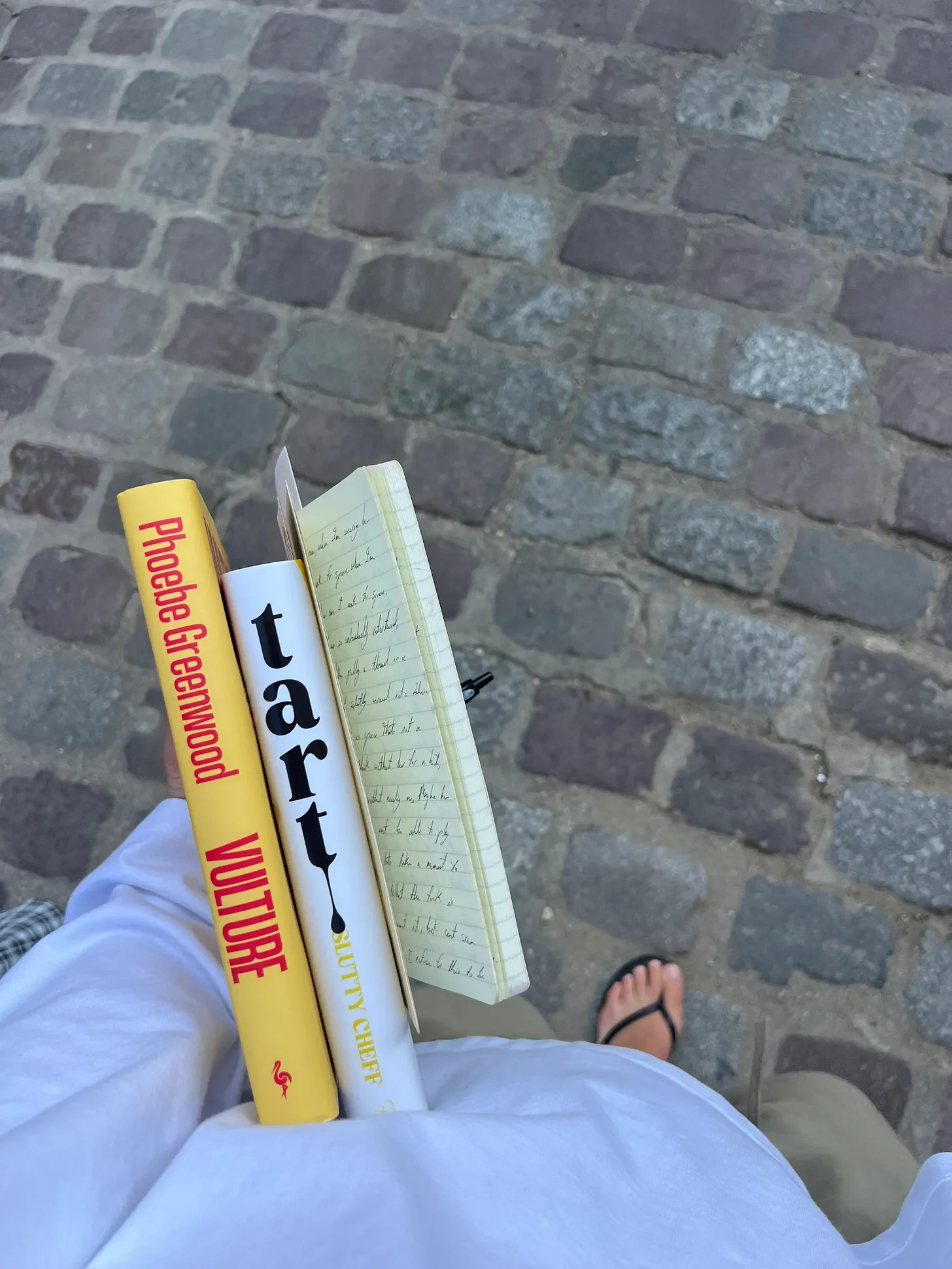
I was perched in my seat for the Baum Und Pferdgarten show very early. Once I was settled and had my battalion of supplies sorted in my lap (film camera, notebook, Muji 0.5 gel ink ballpoint pen, phone), I started to observe. I watched countless bodies draped in faux fur coats and pillbox hats file in. I watched hordes of people dressed in the familiar blazer–statement maxi skirt formula flood the runway to get photos of themselves before the show began.
What caught my attention most was the number of audience members in the first and second rows wearing the same assigned item of clothing from the brand..
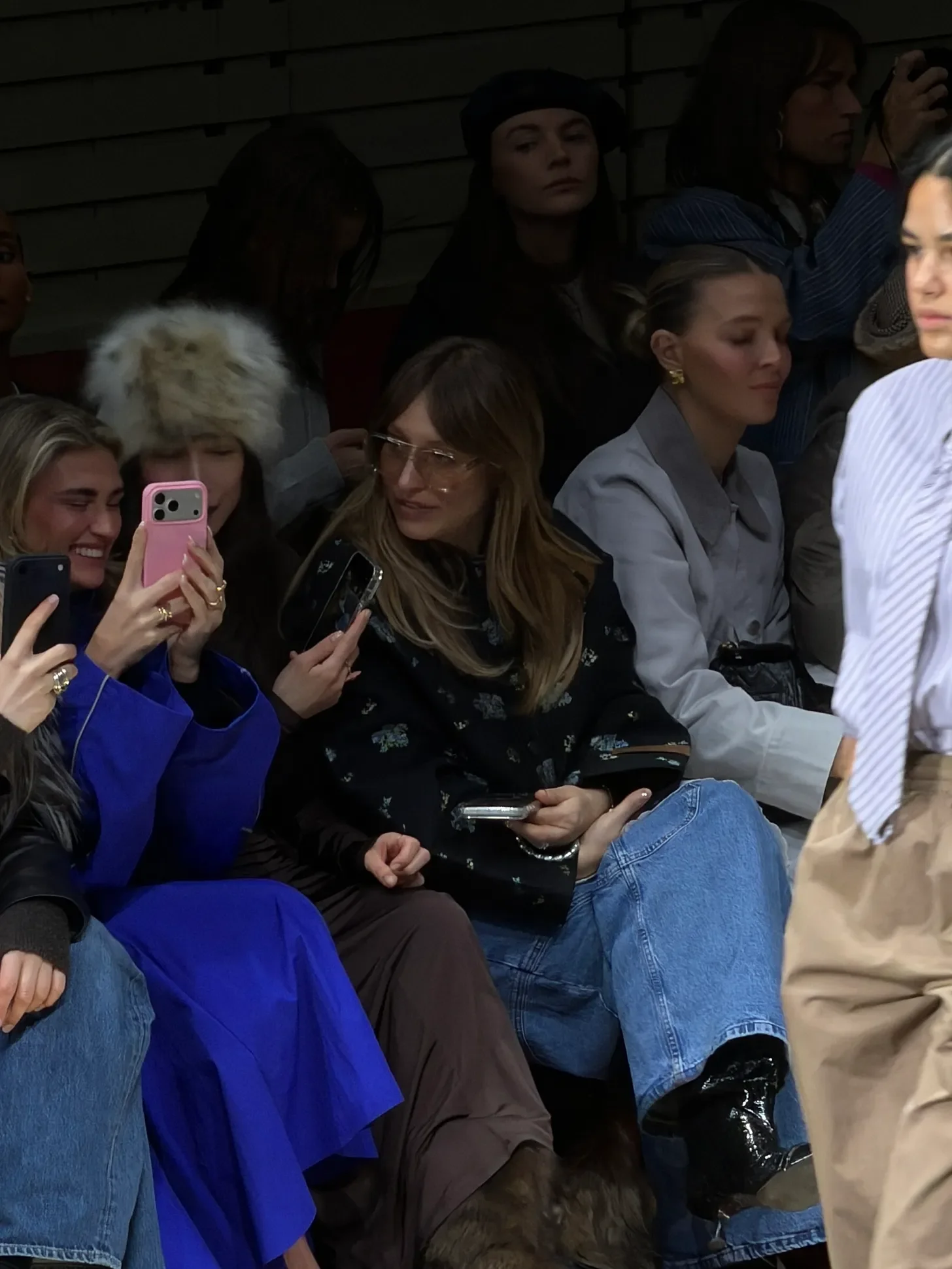
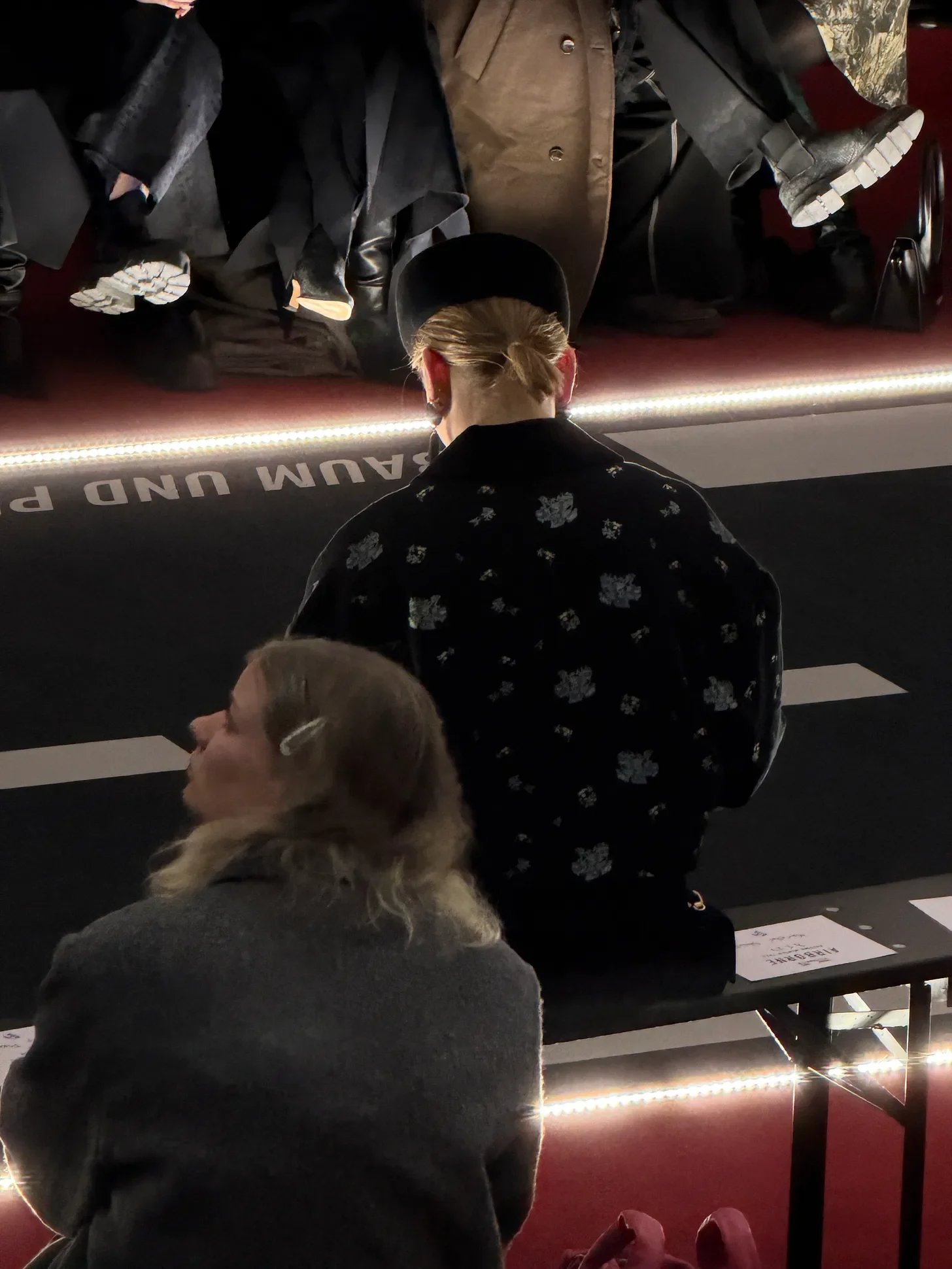
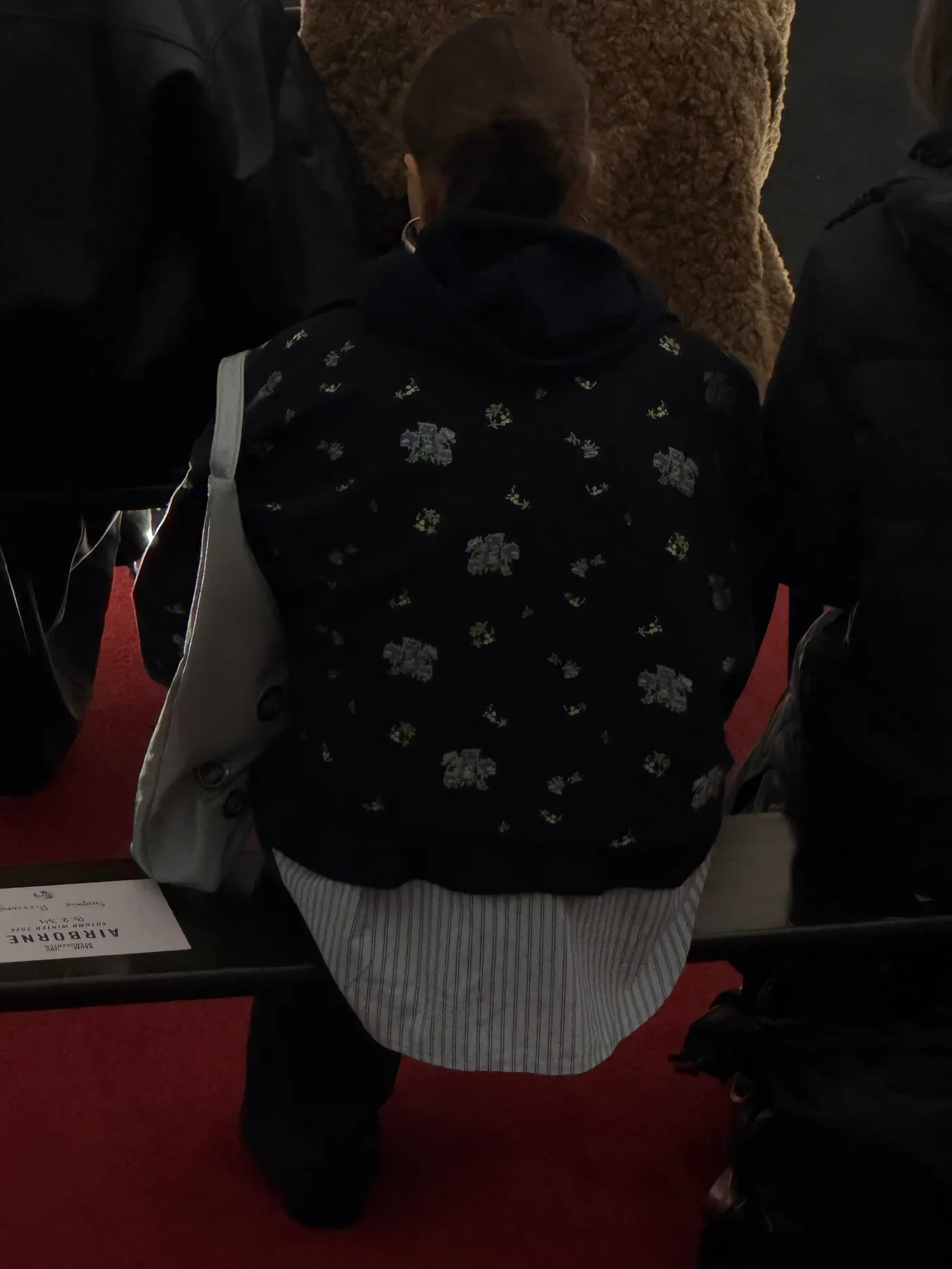
Heading into this show, I was very curious to see how many audience outfits they were going to plan, because of this post from two seasons ago that left a very memorable impression on me:
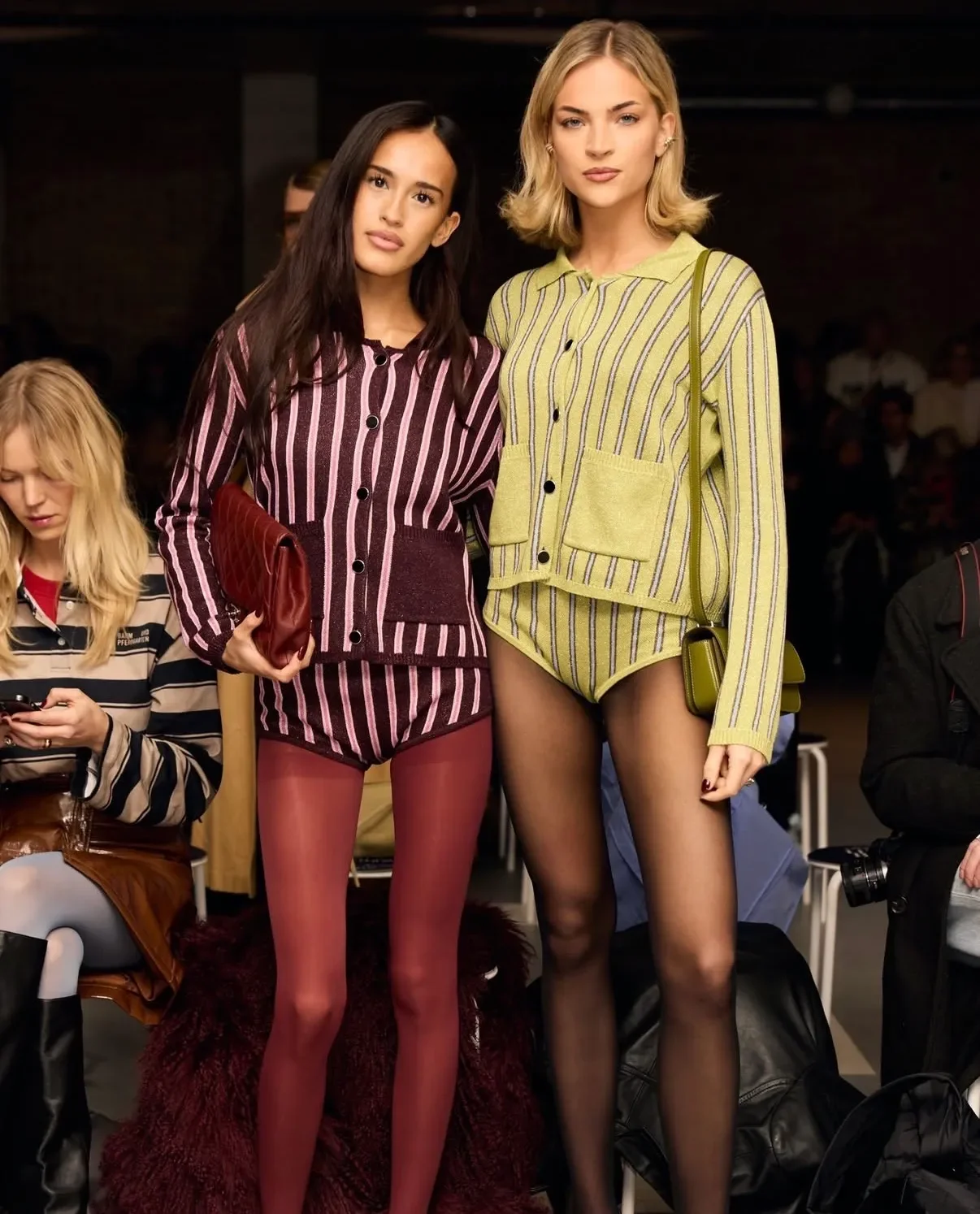
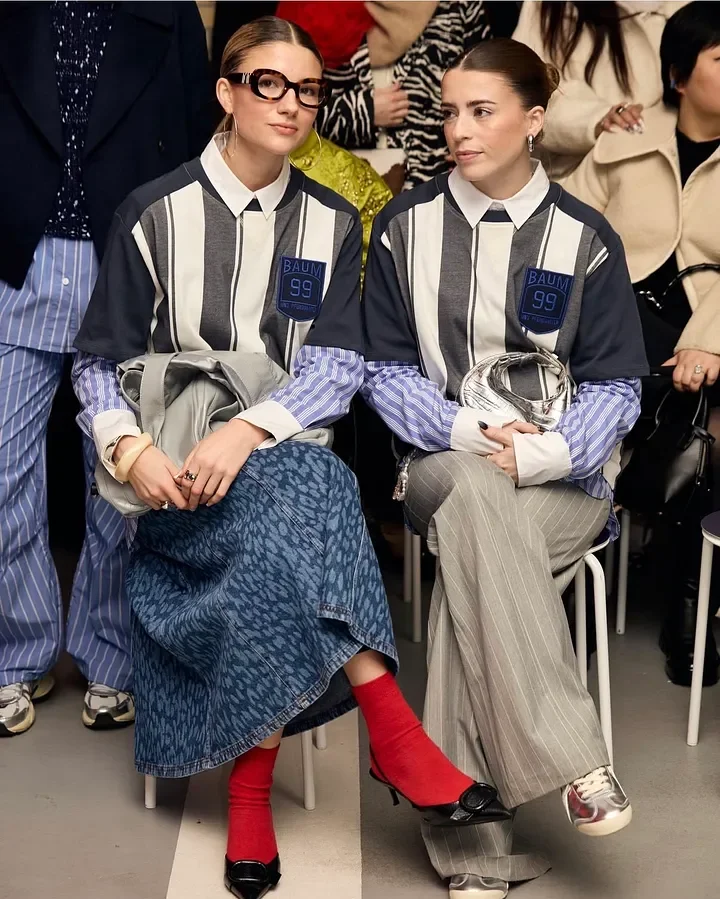
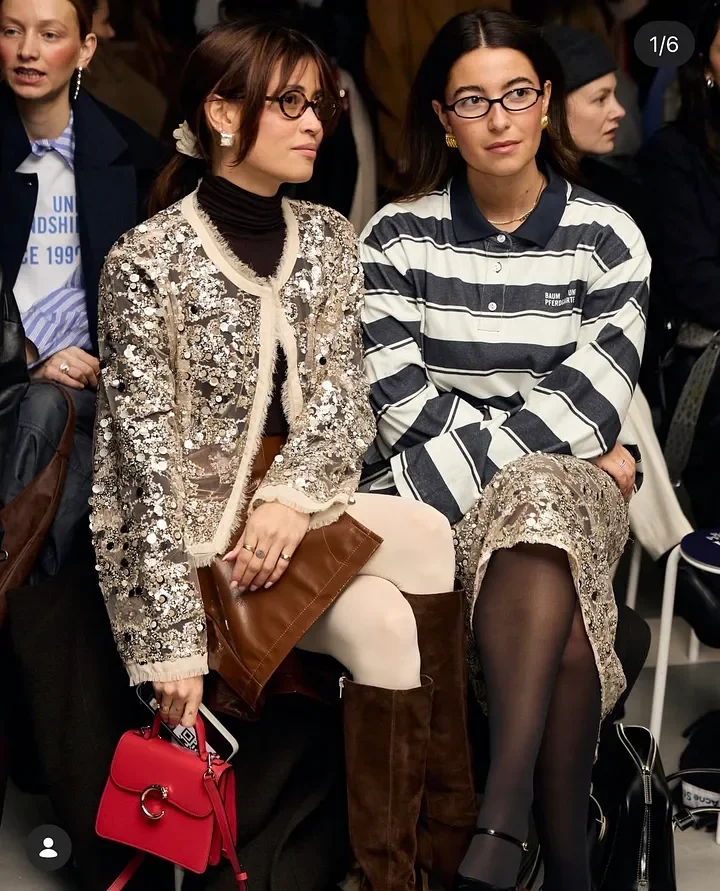
Based on the number of people who had been outfitted, it appeared that the brand had taken full control of the entire first row’s style.
Outfitting isn’t a revolutionary marketing tactic. It’s standard practice for brands to select a few special guests, invite them into a showroom pre-runway, and offer a piece or two to rent or receive as a gift for the purpose of advertising the clothes through fashion-photographer surrogacy.
What was unusual about this specific show was not only the sheer volume of people wearing brand-selected clothing, but also the lack of diversity in how those pieces were styled. It forced me to wonder just how far the brand was willing to go to control the idea of who a “Baum” girl is. It’s telling when a brand doesn’t trust its consumers—when it chooses to extend the world of its runway just a few feet further to include its first and second rows of guests, but not so far as to let them believe they have free will.
You’re allowed in, but not too close—and wear what I say.
What do we lose when our fist is wrapped so tightly around the people we invite into our spaces? How inclusive is the world we’ve built, really, if the rules for entry strip the community of its individualism?
This question applies across many spaces, but to be specific to fashion: what is a brand worth if it doesn’t trust its clothes enough to be perceived and styled outside of the designer’s control? Because what this observation really comes down to is a matter of trust, and the question of what real power can be found in any station if there is no trust between those in charge and those they’re meant to care for. Fear of stepping out of line is no catalyst for community.
I love Baum Und Pferdgarten. I’ve written many times about my admiration for the clothes and the fond memories I have of the brand from the very beginning of my career.
I also have eyes. And when a brand begins to grow in size, budget, and reach—while simultaneously tightening an almost authoritarian fist around those it welcomes into its space—is this an act of creative preservation, or control? And if, like a country, it’s control under the guise of creative preservation, how much longer do we have before we witness its demise?
Style Exercise of the Week
For this week’s style exercise, I want you to build a style board, or check in with a previous one, using the checklist below:
Overall keywords
Individual items
Colors
Specific silhouettes
Materials and fabrics
Abstract style inspiration
For a style board to do its job—which is to expand the realm of your imagination and indulge in the idealization of what your style could be— It must contain more than the obvious.
To learn more about your style, check in with these parameters and round out your style board accordingly.
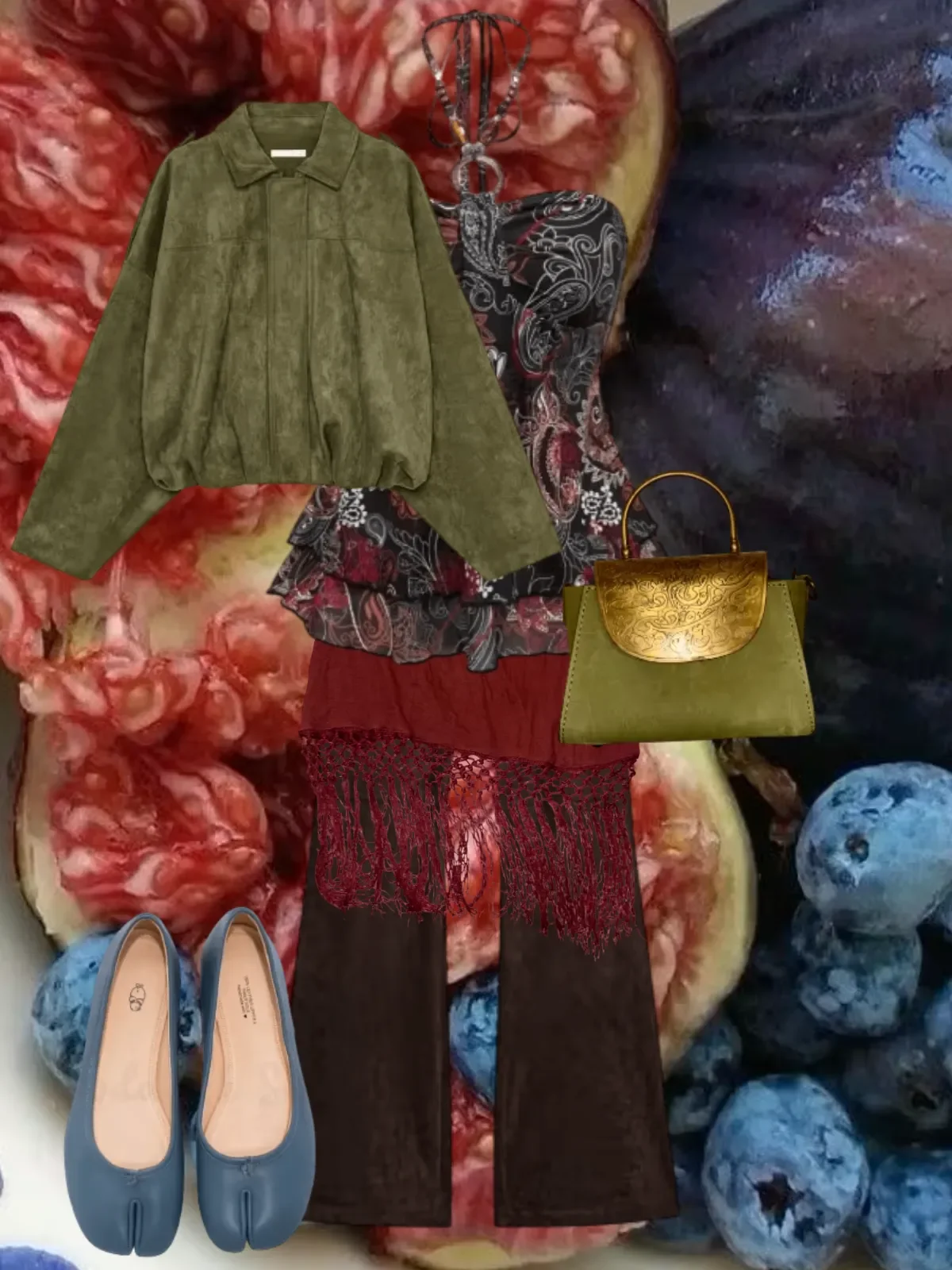
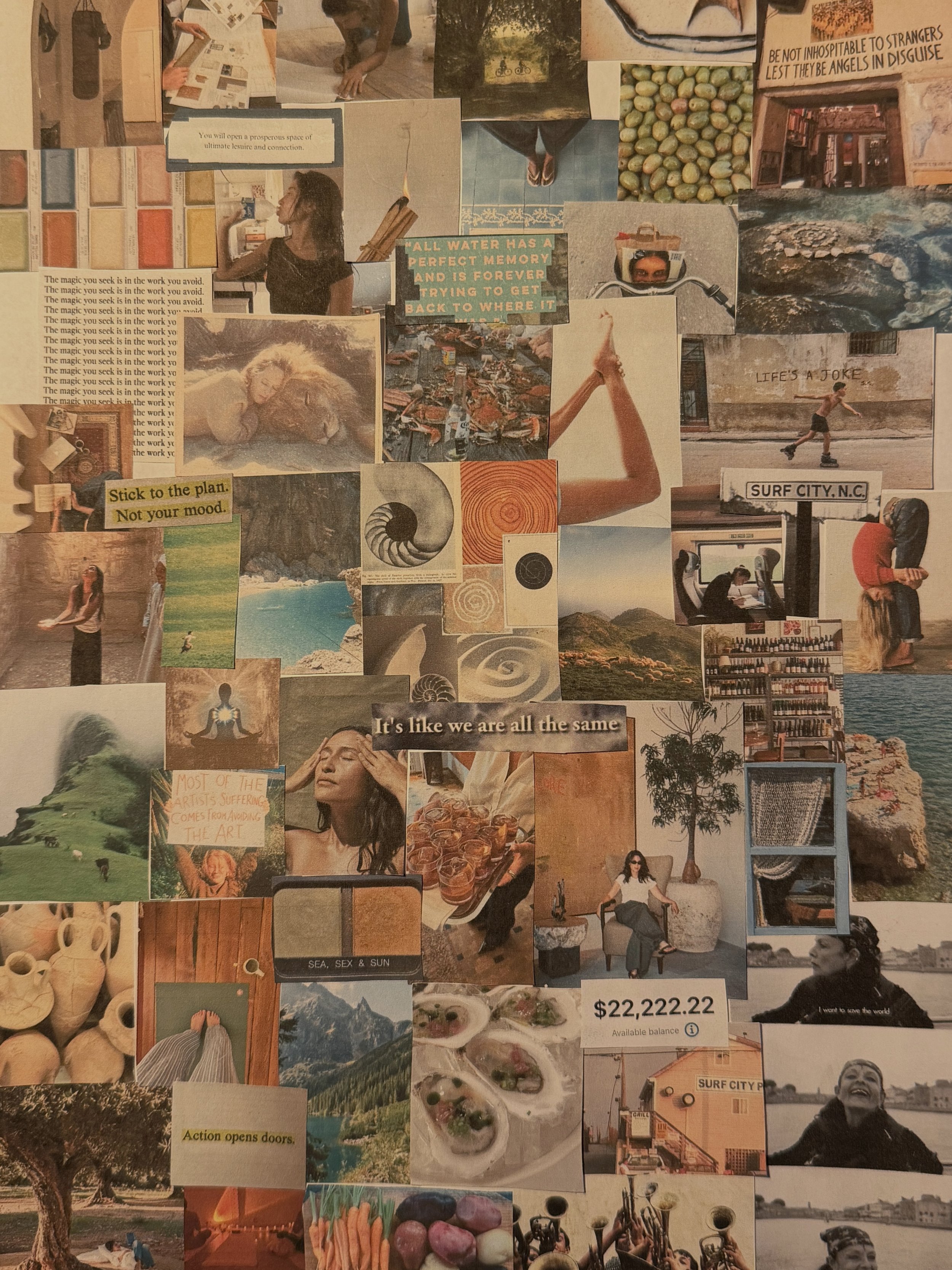
Abstract style inspiration is anything that has nothing to do with clothing that still evokes some type of creative feeling or curiosity.
This could be religion, books, scenes of nature, hobbies you have, or even photos that remind you of a memory you hold very dear.
This category is the most important because it’s what tethers your actual personhood to your style goals. It’s the connection between who you are and who you want to be when you start to bring outfits to life from it.
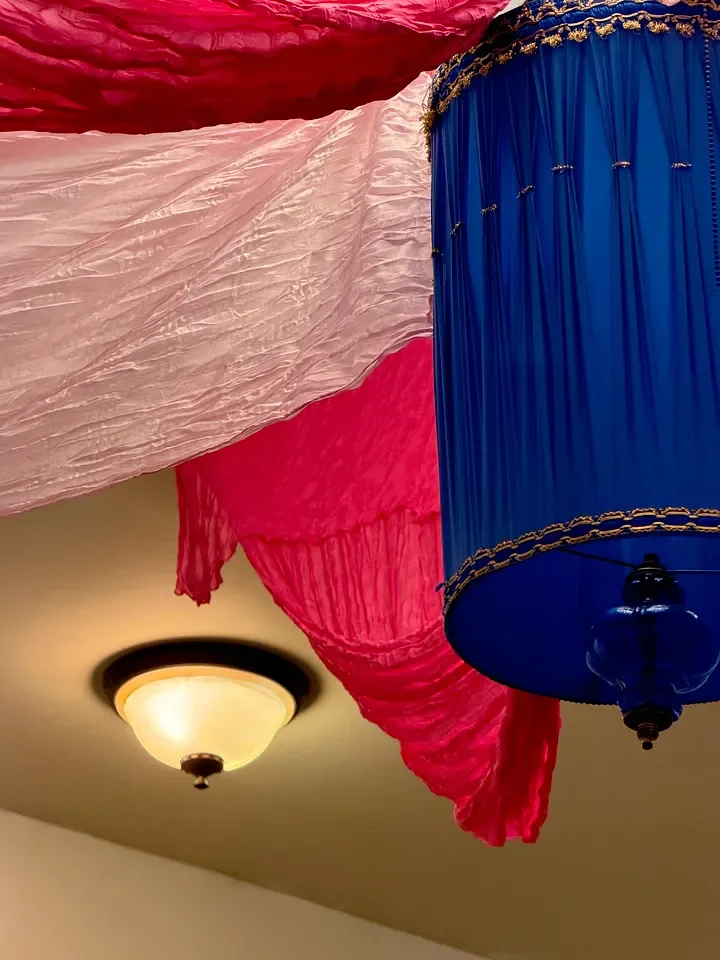
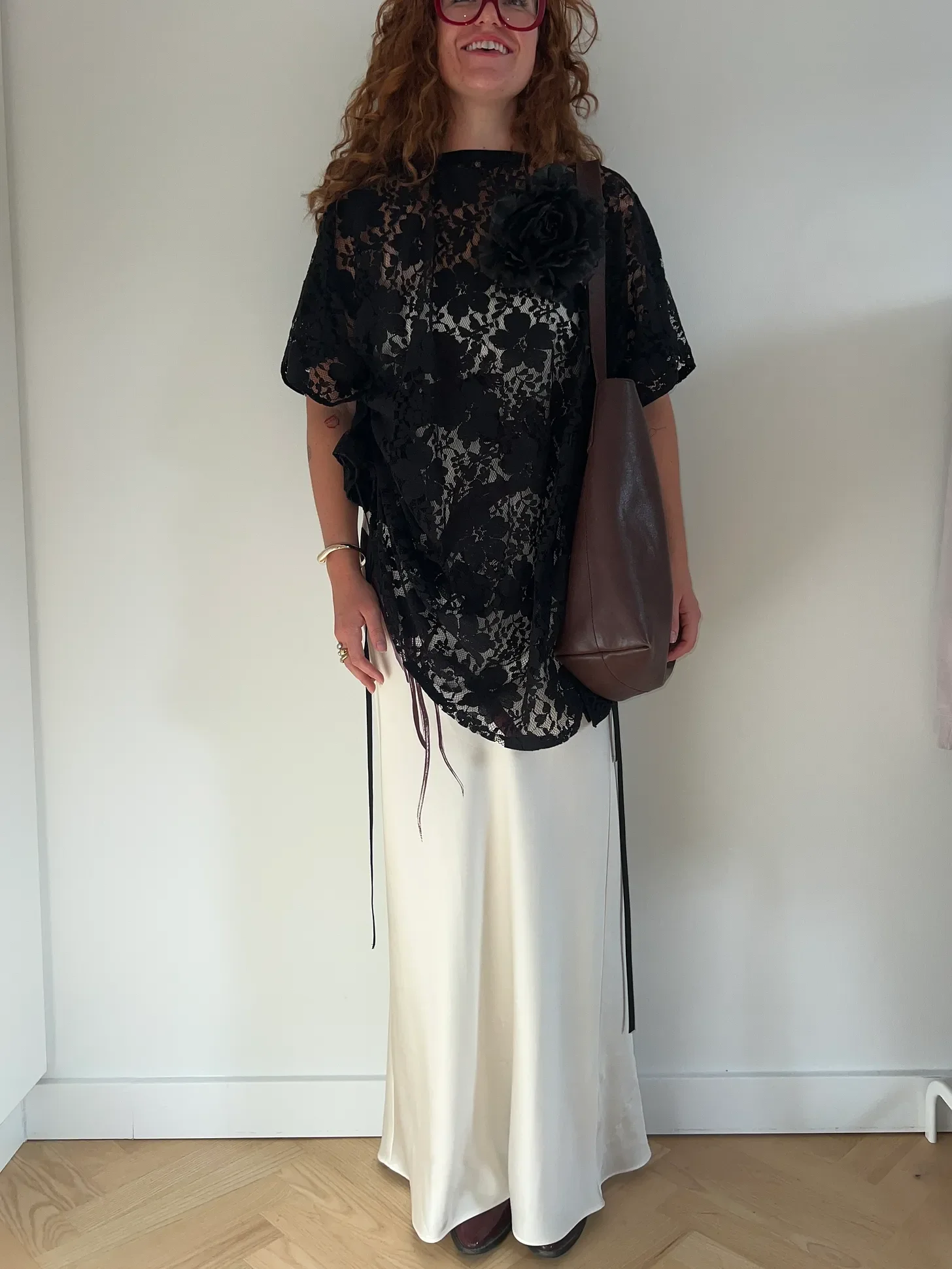
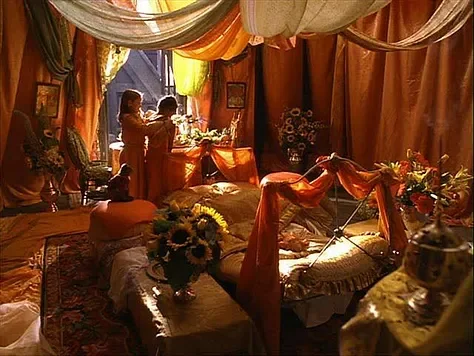
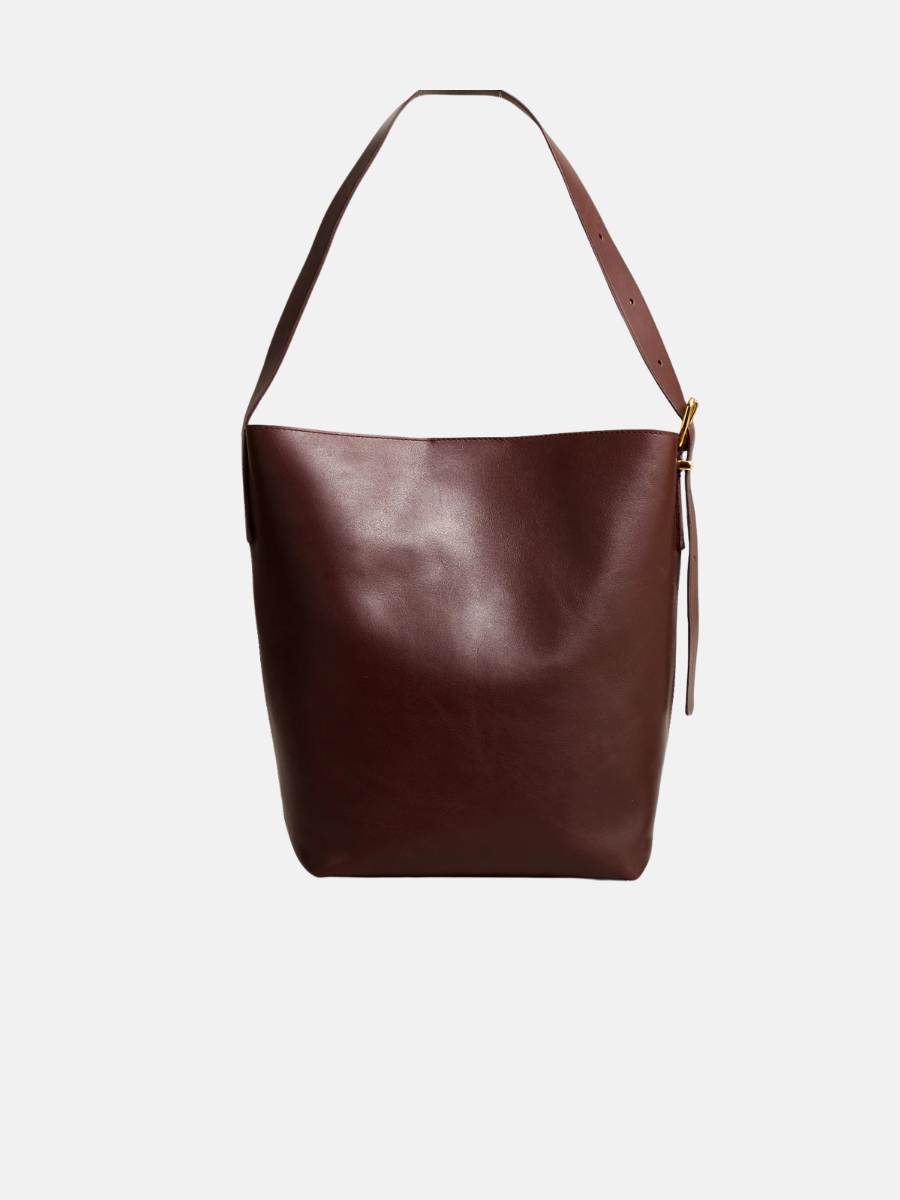
This is an example of one outfit from a client this week (A culinary graduate currently based in Jordan), using their abstract style inspiration source:
That’s everything for this week. Do your exercises, stretch those styling muscles, and don’t forget,
Style is everywhere—don’t miss it!
INTERESTED IN SIGNING UP FOR OUR STYLE NEWSLETTER?







Check out Mac’s inteview in Coveteur

Curious about PHIKA and Mac’s signature styling philosophy?
Check out @justmacrose on Instagram, TikTok, and more for fresh fashion inspo, easy styling hacks, and a refreshing perspective on everyday style..
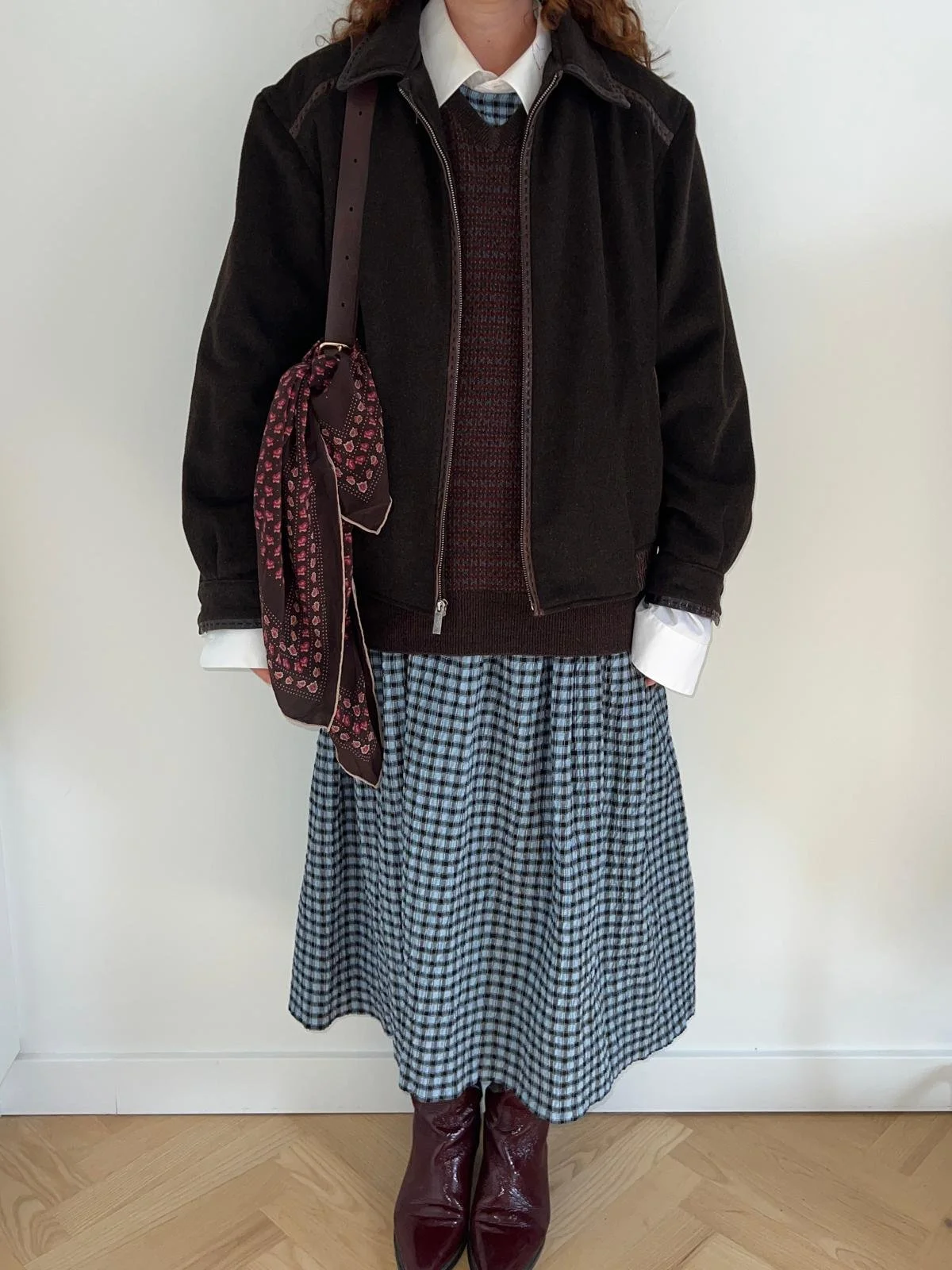
There are certain joys in Winter dressing that simply cannot be indulged in any other season. Pants under thick skirts layered with chunky sweaters. Precious hand-knit accessories made by friends, meant to swaddle you when they're far away. Clothes that, by nature, hold you, instead of stick to you or slide off like the water I never seem to remember to drink enough of.